The Painted Reptile
Zebra Isopod – Quick Care OverviewZebra Isopod Care Sheet – Full DetailsThe Painted Reptile · Reptile supplies, care & advice
18730 Oxnard St., Unit 215, Tarzana, CA 91356
818-654-9441 · paintedreptile.com
Painted Reptile Care Sheet

Zebra Isopod

Armadillidium maculatum(Risso, 1816)

Also called: Zebra pillbug, Armadillidium maculatum

Group Other invertebrateFamily ArmadillidiidaeWild status Not Evaluated (IUCN)
Last reviewed November 2026
Photo coming soon

Quick facts

PR Keeper Level · care difficulty
1/10Very easy
1 · Hardy & forgiving10 · Experts only
1–2 Very easy · 3–4 Beginner · 5–6 Intermediate · 7–8 Advanced · 9–10 Expert
PR Handler Level · temperament
Green – Calm & easygoing
Harmless — just small and delicate; scoop gently and don’t squeeze. This species rolls into a ball when alarmed.
Green: Calm & easygoing Yellow: Squirmy or flighty Red: Known to be aggressive
Adult size
A small pillbug, often about ½–¾ in when grown
Lifespan
Individuals live many months to around a year or more; a well-kept colony continues for years
Temperature
About 65–80°F
A room-temperature tub is usually enough; avoid big swings and direct sun
Humidity
A moisture gradient: one damp side, one slightly drier side
Armadillidium likes it humid but not a sealed swamp; good ventilation matters
Diet
Detritivore
Leaf litter, decaying wood, bits of vegetable, and a calcium source
Enclosure
A small ventilated tub with a secure lid and organic substrate
Shallow is fine; they use leaf litter, bark hides, and a damp-to-drier gradient
Active
Mostly at night and in cover; they also walk the surface more than some shy soil isopods
Temperament
Busy, colony-living pillbugs; they roll into a ball when alarmed

A small, boldly striped European pillbug, often sold as a zebra isopod, and a staple in bioactive enclosures as well as a colony to watch on its own. Grown animals are often about ½–¾ in and roll into a ball when alarmed. It is not the dairy cow, powder, or dwarf white isopod already on this site, which belong to other genera and do not live as true rolling pillbugs. Care is straightforward: a ventilated tub, a damp-to-drier gradient, leaf litter, decaying wood, and a calcium source. Never release a culture outdoors.

Key care at a glance

  • A rolling pillbug (Armadillidium), distinct from the dairy cow, powder, and dwarf white isopods already on the site.
  • A small ventilated tub with a damp side and a slightly drier side.
  • Leaf litter, decaying wood, bits of vegetable, and a calcium source.
  • Harmless and delicate; never release.

Quick setup checklist

  • Small ventilated tub with a damp side and a slightly drier side
  • Leaf litter, decaying wood, and a calcium source
  • About 65–80°F; no lamps required
  • A rolling pillbug, not a Porcellio
  • Scoop gently; never release
Want every detail? Natural history, breeding, health and more are in the full care sheet. Open full details

Supporting Sources: WoRMS Isopoda — Armadillidium maculatum · IUCN Red List · CITES Appendices, valid 5 March 2026 · The Painted Reptile — Dairy Cow Isopod Care Sheet · The Painted Reptile — Dwarf White Isopod Care Sheet · full list in Full details · full list on the full care sheet

The Painted Reptile · 18730 Oxnard St., Unit 215, Tarzana, CA 91356 · 818-654-9441 This care sheet is a general guide. Every animal is an individual, so watch yours closely and see a reptile veterinarian with any health concerns.
1

About the species

Species background & natural history

Armadillidium maculatum (Risso, 1816) is the zebra isopod of the hobby. The World List of Isopod Crustaceans treats the name as accepted (AphiaID 257739); the original combination is Armadillo maculatus Risso, 1816, from the Nice region of France. It is a western Mediterranean pillbug in Armadillidiidae — a true roller — and is distinct from the Porcellio, Porcellionides, and Trichorhina species already on this site, and from Klug’s isopod drafted alongside it in this batch.

Physical description

Grown animals are often about ½–¾ in long, with a high, arched body and a bold dark-and-pale zebra pattern on the plates. When alarmed they roll into a tight ball, which the dairy cow and powder isopods already on this site do not do in the same way. They live in leaf litter and under wood or stone, and in a culture they use both a damp area and a slightly drier area. They are colony animals and are often kept as a cleanup crew as well as a species culture.

Distribution

Western Mediterranean Europe (the type locality is in France). Never release a culture outdoors, including into a garden or a local woodland, in California or anywhere else.

Lifespan

Individuals live many months to around a year or more. A well-kept colony continues for years as young are produced. This draft does not invent a hard individual maximum.

2

Housing

Caging

  • A small ventilated tub with a secure lid and an organic substrate is enough.
  • Offer a moisture gradient: one damp side, one slightly drier side, with leaf litter and bark hides.
  • Good ventilation matters so a humid box does not go stale.

Cage decor & substrate

  • Leaf litter and bark hides are the main décor. Decaying wood is both cover and food.
  • A little sphagnum on the damp side helps hold moisture; do not pack the whole tub as a wet sponge.
3

Heat, light & humidity

Temperature needs

  • About 65–80°F is a practical range. A room-temperature tub is usually enough.
  • Avoid big swings and direct sun.

Heating & lighting

  • No UVB product, no basking bulb, and no ceramic are required.
  • Normal room light on a day–night cycle is enough. Keep the tub out of a hot window.

Humidity & water

  • Keep a damp side and a slightly drier side. Mist the damp side as needed, then let air move through the tub.
  • A sealed, soggy box will sour; a bone-dry box will stall the colony.
4

Feeding & supplements

Diet & feeding

  • Detritivore: leaf litter, decaying wood, and small bits of vegetable.
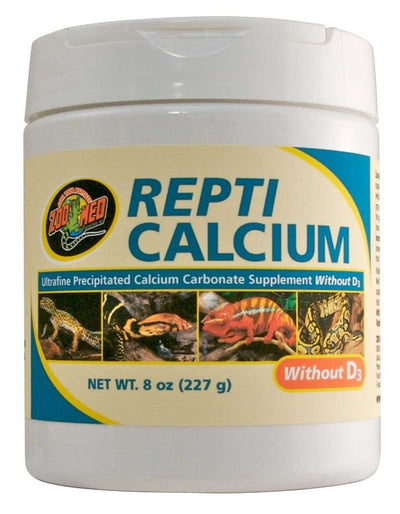
  • Provide a calcium source (a plain calcium powder without D3 is linked, or a similar calcium item).
  • Remove leftover vegetables before they mold.

Supplements

A calcium source and a constant supply of leaf litter are the main extras. Do not use a D3-heavy reptile powder as a routine dust.

5

Breeding & handling

Breeding

Colonies breed readily in a stable tub. This sheet does not go into a breeding protocol; if the culture grows, split it or add space, and never release surplus animals outdoors.

Handling your new pet

  • Harmless and delicate. Scoop gently; do not squeeze. They will often roll into a ball.
  • Wash your hands after servicing the tub.
6

Health & setup

Common health issues

  • A tub that is too wet and stale, or too dry, is the usual problem.
  • If numbers crash, check moisture, ventilation, and whether the leaf litter has been used up, before adding more animals.

Quick setup checklist

  • Small ventilated tub with a damp side and a slightly drier side
  • Leaf litter, decaying wood, and a calcium source
  • About 65–80°F; no lamps required
  • A rolling pillbug, not a Porcellio
  • Scoop gently; never release

Shop the setup

Supporting Sources

The Painted Reptile · 18730 Oxnard St., Unit 215, Tarzana, CA 91356 · 818-654-9441 This care sheet is a general guide. Every animal is an individual, so watch yours closely and see a reptile veterinarian with any health concerns.
Just added to your wishlist:
My Wishlist
You've just added this product to the cart:
Go to cart page