The Painted Reptile
Timor Monitor – Quick Care OverviewTimor Monitor Care Sheet – Full DetailsThe Painted Reptile · Reptile supplies, care & advice
18730 Oxnard St., Unit 215, Tarzana, CA 91356
818-654-9441 · paintedreptile.com
Painted Reptile Care Sheet

Timor Monitor

Varanus timorensis(Gray, 1831)

Also called: Timor tree monitor, spotted tree monitor

Group Lizard · MonitorFamily VaranidaeWild status Least Concern (IUCN)
Last reviewed November 2026
Photo coming soon

Quick facts

PR Keeper Level · care difficulty
6/10Intermediate
1 · Hardy & forgiving10 · Experts only
1–2 Very easy · 3–4 Beginner · 5–6 Intermediate · 7–8 Advanced · 9–10 Expert
PR Handler Level · temperament
Yellow – Squirmy or flighty
A smaller but still clawed, alert monitor; short, supported sessions only, not a child's pet
Green: Calm & easygoing Yellow: Squirmy or flighty Red: Known to be aggressive
Adult size
About 2–2.5 ft (60–75 cm) total length
Lifespan
10–15+ years when the cage is tall enough and the diet is varied
Temperature
Basking about 110–120°F · ambient mid 80s°F
A climbing gradient with a hot perch and a cooler retreat
Humidity
50–70%
A slightly humid, ventilated cage with a soak vessel
Diet
Carnivore
Gut-loaded insects as the staple, with occasional other prey
Enclosure
A 5×2×3 ft (or similar) locking enclosure for an adult, with real height to climb
Height and branches matter; one monitor is the default
Active
Diurnal, semi-arboreal
Temperament
Alert and active; often more manageable than a large savannah, but still a monitor

A smaller, spotted, semi-arboreal monitor from Timor and nearby islands. It is often kept after an ackie, but it still needs a locking, climbing cage, high heat and UVB, and a varied carnivore diet. Distinct from the savannah, ackie, white-throated, Dumeril's, and emerald tree monitors already on the site.

Key care at a glance

  • HousingA locking enclosure with real height — about 5×2×3 ft as a sensible adult target — with sturdy branches. One monitor per enclosure.
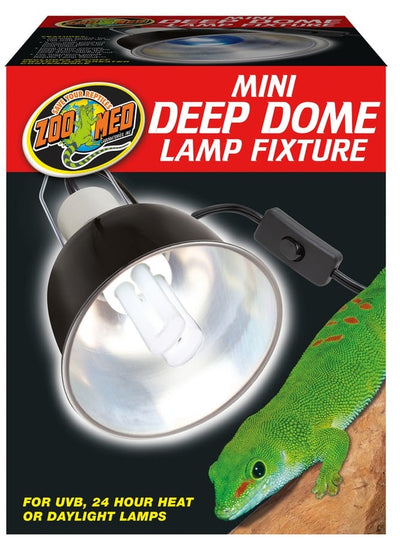
  • Heat and lightA Zoo Med basking surface around 110–120°F, ambient mid-80s°F, plus a Zoo Med ReptiSun 10.0 UVB tube with shade.
  • HumidityAbout 50–70%, with a soak vessel and ventilation.
  • DietGut-loaded insects as the staple. Occasional vertebrates are a treat, not a rodent-only routine.
  • Handling and legalShort, supported sessions once settled. CITES Appendix II (Varanus spp.). Prefer captive-bred; no permit how-to.

Quick setup checklist

  • A locking, climbing enclosure (about 5×2×3 ft as an adult target)
  • Zoo Med basking heat and Zoo Med ReptiSun 10.0 UVB with shade
  • Humidity 50–70% with ventilation and a soak vessel
  • An insect-forward carnivore diet
  • One monitor, captive-bred if possible
Want every detail? Natural history, breeding, health and more are in the full care sheet. Open full details

Supporting Sources: Reptile Database — Varanus timorensis · IUCN Red List — Varanus timorensis · CITES Appendices I, II and III · full list in Full details · full list on the full care sheet

The Painted Reptile · 18730 Oxnard St., Unit 215, Tarzana, CA 91356 · 818-654-9441 This care sheet is a general guide. Every animal is an individual, so watch yours closely and see a reptile veterinarian with any health concerns.
1

About the species

Species background & natural history

Varanus timorensis was named by Gray in 1831. It is a smaller, spotted, semi-arboreal monitor from Timor and nearby Lesser Sunda islands. IUCN lists it as Least Concern, with a decreasing population (confirmed 21 November 2026). All Varanus are on CITES Appendix II except the Appendix I species (appendices valid 5 March 2026). Prefer captive-bred. This sheet does not give permit advice. Distinct from the ackie, savannah, white-throated, Dumeril's, and emerald tree monitors already on the site.

Physical description

Adults are typically about 2–2.5 ft (60–75 cm), slimmer than a savannah, with a long tail, a pointed snout, and a dark body marked with pale spots or ocelli. The limbs and claws are built for climbing as well as ground work.

Distribution

Timor-Leste and parts of Indonesia in the Lesser Sundas, in dry forest, savanna, and rocky, lightly wooded country. Never release.

Lifespan

Ten to fifteen years or more is a reasonable plan when the cage has height, heat, and UVB and the diet is not rodent-only.

2

Housing

Caging

  • A 5×2×3 ft locking enclosure: or similar volume with real height, is a sensible adult target.
  • Provide sturdy branches: a basking perch, hides, and a soak vessel.
  • One adult per enclosure.

Cage decor & substrate

  • Branches, cork, a burrow or cave: a stone or wood basking perch, and a heavy water vessel.
  • A soil or soil-and-cypress substrate that can hold some moisture is better than bare newspaper.
3

Heat, light & humidity

Temperature needs

  • A basking surface of about 110–120°F (43–49°C): with ambient mid 80s°F (about 29–30°C) and a cooler retreat.
  • Night can fall into the mid 70s°F.
  • Measure the perch.

Heating & lighting

  • A Zoo Med basking bulb in a ceramic-socket fixture: thermostat-controlled, plus a Zoo Med ReptiSun 10.0 T5 UVB tube over part of the cage, with shade.
  • An Exo Terra ceramic heater may hold night ambient in a cold room, on a thermostat.
  • Lights off at night.
  • No colored bulbs as the only heat.

Humidity & water

  • Aim for about 50–70% humidity with a soak vessel and some moisture in a burrow, then ventilate.
4

Feeding & supplements

Diet & feeding

  • Gut-loaded roaches: crickets, and similar insects are the staple.
  • Occasional appropriately sized vertebrates can add variety.
  • A rodent-heavy savannah-monitor diet is the wrong model.

Supplements

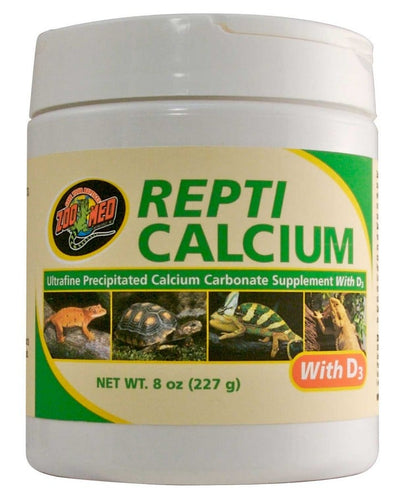
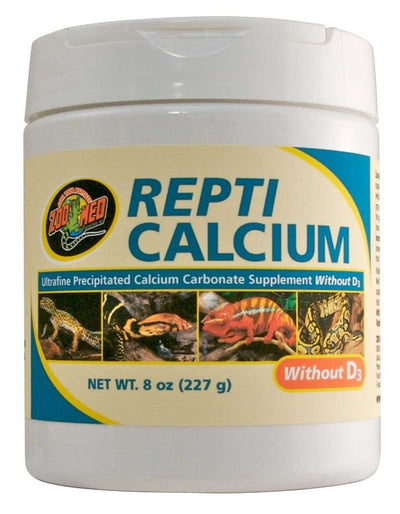
  • Dust insects with calcium without D3 on most feeds: and a vitamin on a lighter schedule if UVB is already in place.
5

Breeding & handling

Breeding

A specialist project. This draft does not give a breeding recipe.

Handling your new pet

  • Short, supported sessions once the animal is eating and settled.
  • Support the body: this is still a clawed monitor.
  • Not a child's pet.
6

Health & setup

Common health issues

  • Watch for retained shed: a thin tail, mucus or open-mouth breathing, and rostral rubs in a too-small cage.
  • See a reptile veterinarian early.

Quick setup checklist

  • A locking, climbing enclosure (about 5×2×3 ft as an adult target)
  • Zoo Med basking heat and Zoo Med ReptiSun 10.0 UVB with shade
  • Humidity 50–70% with ventilation and a soak vessel
  • An insect-forward carnivore diet
  • One monitor, captive-bred if possible

Shop the setup

Supporting Sources

The Painted Reptile · 18730 Oxnard St., Unit 215, Tarzana, CA 91356 · 818-654-9441 This care sheet is a general guide. Every animal is an individual, so watch yours closely and see a reptile veterinarian with any health concerns.
Just added to your wishlist:
My Wishlist
You've just added this product to the cart:
Go to cart page