The Painted Reptile
Sarasinorum Gecko – Quick Care OverviewSarasinorum Gecko Care Sheet – Full DetailsThe Painted Reptile · Reptile supplies, care & advice
18730 Oxnard St., Unit 215, Tarzana, CA 91356
818-654-9441 · paintedreptile.com
Painted Reptile Care Sheet

Sarasinorum Gecko

Correlophus sarasinorum(Roux, 1913)

Also called: Sarasin's gecko, bicois gecko, Sarasin's giant gecko

Group Lizard · GeckoFamily DiplodactylidaeWild status Vulnerable (IUCN)
Last reviewed November 2026
Photo coming soon

Quick facts

PR Keeper Level · care difficulty
3/10Beginner
1 · Hardy & forgiving10 · Experts only
1–2 Very easy · 3–4 Beginner · 5–6 Intermediate · 7–8 Advanced · 9–10 Expert
PR Handler Level · temperament
Yellow – Squirmy or flighty
Shyer and more arboreal than a typical crested gecko; usually a display animal, too delicate to grab
Green: Calm & easygoing Yellow: Squirmy or flighty Red: Known to be aggressive
Adult size
About 8–10 in (20–25 cm) total length, slimmer than a crested gecko of similar length
Lifespan
15–20+ years is a reasonable plan, in line with other Correlophus
Temperature
About 70–78°F, with a slight warm perch; avoid mid-80s°F as a constant
A cool, humid New Caledonia routine, like the crested gecko, not a hot day-gecko cage
Humidity
50–80%
Mist daily and allow a dry-out; a humid hide helps shedding
Diet
Complete gecko diet, with optional insects
A complete gecko diet is the staple; gut-loaded insects add variety
Enclosure
A tall 18×18×24 in (about 45×45×60 cm) minimum for one adult
Height, plants, and an escape-proof lid; one gecko is the default
Active
Nocturnal, arboreal
Temperament
Usually shyer than a crested gecko; a watch-first animal

A New Caledonian gecko in the same genus as the crested gecko already on the site, formerly Rhacodactylus sarasinorum. The daily diet and cool, humid cage are similar, but this species is shyer, more arboreal, IUCN Vulnerable, and not a wild-export animal.

Key care at a glance

  • HousingA tall, planted, escape-proof enclosure (about 18×18×24 in as an adult minimum). Height and plants matter. One gecko is the default. Do not treat it as a second crested gecko in the same cage without a plan.
  • Heat and lightKeep it cool, about 70–78°F, like a crested gecko. A very light Zoo Med ReptiSun 5.0 UVB dose with plenty of shade is the store-linked option; some keepers skip UVB and rely on the complete diet.
  • HumidityMist daily and allow a dry-out. Offer a humid hide and a small water dish.
  • DietA complete gecko diet is the staple (the same style of Pangea diets used on the crested gecko sheet), with occasional gut-loaded insects.
  • Handling and legalUsually shyer than a crestie — display first. IUCN Vulnerable; New Caledonia does not export wild animals. Captive-bred only. Not listed on CITES.

Quick setup checklist

  • A tall, planted, escape-proof 18×18×24 in (or larger) enclosure
  • Cool temperatures (about 70–78°F), not a hot day-gecko cage
  • Daily misting with a daily dry-out
  • A complete gecko diet, with optional insects
  • Captive-bred only; IUCN Vulnerable; usually a display gecko, not a handling pet
Want every detail? Natural history, breeding, health and more are in the full care sheet. Open full details

Supporting Sources: Reptile Database — Correlophus sarasinorum · IUCN Red List — Correlophus sarasinorum · CITES Appendices I, II and III · full list in Full details · full list on the full care sheet

The Painted Reptile · 18730 Oxnard St., Unit 215, Tarzana, CA 91356 · 818-654-9441 This care sheet is a general guide. Every animal is an individual, so watch yours closely and see a reptile veterinarian with any health concerns.
1

About the species

Species background & natural history

Correlophus sarasinorum was described by Roux in 1913 (as a Rhacodactylus) and was moved to Correlophus by Bauer et al. in 2012, the same genus as the crested gecko (C. ciliatus) already on the site. It is a New Caledonian endemic. IUCN lists it as Vulnerable (confirmed 21 November 2026). It is not listed in the CITES appendices valid 5 March 2026, but New Caledonia does not export wild animals as pets; US animals are captive-bred. This sheet does not give permit advice. Never release.

Physical description

Adults are typically about 8–10 in (20–25 cm), slimmer and a little more angular than a crested gecko, without the large crest, and with a prehensile tail and strong toes. Color is usually brown, tan, or gray with darker mottling or a 'bicois' pattern, depending on the line.

Distribution

Southern Grande Terre, New Caledonia, in humid forest and shrubland, in a fragmented, decreasing wild population (IUCN). Never release. Pets in the US are captive-bred.

Lifespan

Fifteen to twenty years or more is a reasonable plan, in line with other Correlophus, when the cage stays cool and humid and the animal eats a complete diet.

2

Housing

Caging

  • A tall 18×18×24 in enclosure is a sensible adult minimum: taller is better.
  • An escape-proof lid is required.
  • Plant the cage and offer vertical cork and branches.
  • One gecko is the default.
  • Mixed-species housing with crested geckos is a specialist choice: not a default, and is easy to get wrong.

Cage decor & substrate

  • Coco fiber and moss: plants, cork, vines, a magnetic ledge or similar perch, a humid hide, and a small water dish.
  • Leave climbing lanes.
3

Heat, light & humidity

Temperature needs

  • About 70–78°F (21–26°C): with a slight warm perch if the room is cool, and a drop at night.
  • Mid-80s°F as a constant is too hot: as on the crested gecko sheet.
  • Measure the cage.

Heating & lighting

  • Often no daytime basking bulb is needed in a room that already sits in the low-to-mid 70s°F.
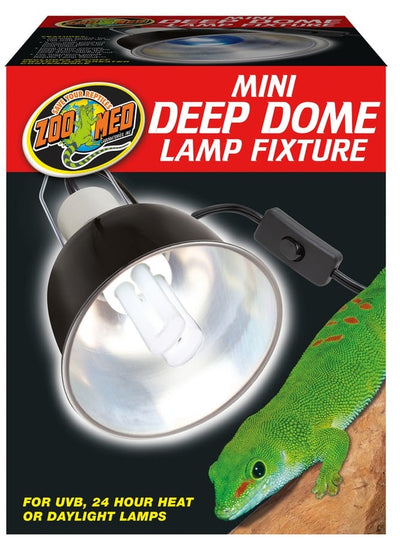
  • If the room is cool, a very low-watt Zoo Med basking bulb: carefully distance-controlled, can make a slight warm perch.
  • A Zoo Med ReptiSun 5.0 used with plenty of shade is the store-linked UVB option: some keepers skip UVB and rely on a complete diet plus powders, which is a disagreement (the same disagreement as on many crested gecko setups).
  • An Exo Terra ceramic heater: on a thermostat, may hold a cool room at night, but do not overheat.
  • Lights off at night.

Humidity & water

  • Mist daily so plants and walls hold droplets, then allow a dry-out.
  • Offer a humid hide and a small water dish.
  • Avoid a permanently soaked floor.
4

Feeding & supplements

Diet & feeding

  • A complete gecko diet is the staple: the same style of Pangea diets used on the crested gecko sheet.
  • Offer it in a shallow cup: several times a week for adults, more often for juveniles.
  • Gut-loaded insects add variety.
  • Do not keep this species on insects alone if it will reliably eat a complete diet.

Supplements

  • If the complete diet is the staple: extra powder is used lightly if at all.
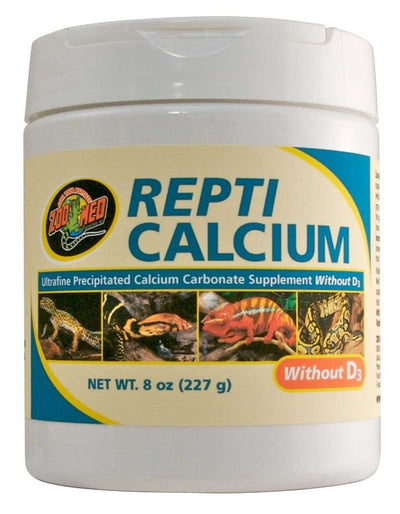
  • Dust any insects with calcium: and do not stack D3 if a UVB lamp is already close.
5

Breeding & handling

Breeding

Possible in captivity. This draft does not give a full breeding recipe. Confirm you are pairing C. sarasinorum, not mixing it casually with C. ciliatus.

Handling your new pet

  • Usually shyer than a typical crested gecko.
  • Short, voluntary sessions are possible for some individuals: but this draft treats it as a display-first gecko.
  • Do not grab the tail or the skin.
  • Move it, if you must, in a cup.
6

Health & setup

Common health issues

  • Watch for stuck shed on toes and tail: a thin tail, floppy or reluctant rear legs if the cage is too hot or the diet is incomplete, and weight loss.
  • See a reptile veterinarian early.

Quick setup checklist

  • A tall, planted, escape-proof 18×18×24 in (or larger) enclosure
  • Cool temperatures (about 70–78°F), not a hot day-gecko cage
  • Daily misting with a daily dry-out
  • A complete gecko diet, with optional insects
  • Captive-bred only; IUCN Vulnerable; usually a display gecko, not a handling pet

Shop the setup

Supporting Sources

The Painted Reptile · 18730 Oxnard St., Unit 215, Tarzana, CA 91356 · 818-654-9441 This care sheet is a general guide. Every animal is an individual, so watch yours closely and see a reptile veterinarian with any health concerns.
Just added to your wishlist:
My Wishlist
You've just added this product to the cart:
Go to cart page