The Painted Reptile
Red Tegu – Quick Care OverviewRed Tegu Care Sheet – Full DetailsThe Painted Reptile · Reptile supplies, care & advice
18730 Oxnard St., Unit 215, Tarzana, CA 91356
818-654-9441 · paintedreptile.com
Painted Reptile Care Sheet

Red Tegu

Salvator rufescens(Günther, 1871)

Also called: Argentine red tegu; formerly Tupinambis rufescens

Group Lizard · TeiidFamily TeiidaeWild status Least Concern (IUCN)
Last reviewed November 2026
Photo coming soon

Quick facts

PR Keeper Level · care difficulty
8/10Advanced
1 · Hardy & forgiving10 · Experts only
1–2 Very easy · 3–4 Beginner · 5–6 Intermediate · 7–8 Advanced · 9–10 Expert
PR Handler Level · temperament
Yellow – Squirmy or flighty
Smart and often tameable, but a powerful, bitey animal if frightened or hungry; never a child’s pet
Green: Calm & easygoing Yellow: Squirmy or flighty Red: Known to be aggressive
Adult size
Often 3–4+ ft (males larger)
Lifespan
15–20+ years with good care
Temperature
Basking 100–115°F
Cool side 75–80°F · night drop is fine if it can rewarm
Humidity
60–80%
Deep, slightly moist substrate · a dry basking zone
Diet
Omnivore
Varied protein and produce; adults must not be overfed
Enclosure
8×4×4 ft min. (adult; males often need more)
Deep diggable substrate · one tegu · a door that locks
Active
Diurnal; terrestrial burrower
Temperament
Intelligent, curious, potentially very tame or very food-aggressive

A large Argentine tegu, distinct from the black-and-white tegu already on the site, and not the same animal as a ‘blue tegu’ (those are merianae morphs). It needs a room-like enclosure, a 100–115°F basking zone, deep soil, and a long-term plan. This is an advanced, high-commitment lizard.

Key care at a glance

  • HousingReptiFiles’ adult figures are about 8×4×4 ft for many females and 10×5×5 ft for males. This draft treats 8×4×4 ft as the adult minimum and flags 6×3×3 ft (the existing black-and-white sheet’s floor) as tighter than current specialist advice. One tegu, a locking door, and deep soil to dig.
  • Heat & lightBasking surface 100–115°F, cool side 75–80°F, with a real UVB gradient (UVI about 4–6 at the basking zone) and shade. These are big sun-baskers.
  • Humidity60–80% in a deep, slightly moist substrate, with a dry basking platform so the animal can dry off.
  • DietA varied omnivore diet — prey, insects, and plenty of produce. Adults get fat easily.
  • HandlingPossible and often rewarding, but this is a Yellow animal with a serious bite. No children, no surprise grabs, no fingers in the food bowl.

Quick setup checklist

  • Adult enclosure at least 8×4×4 ft (males often 10×5×5), with a locking door
  • Deep diggable substrate and a dry, solid basking platform
  • Basking 100–115°F, cool side 75–80°F, measured on the platform
  • Strong linear UVB (UVI about 4–6 at the basking zone) with shade
  • Humidity 60–80% without soaking the basking area
  • Varied omnivore diet; do not overfeed adults
  • A long-term plan and a veterinarian who will see a tegu
Want every detail? Natural history, breeding, health and more are in the full care sheet. Open full details

Supporting Sources: Reptile Database — Salvator rufescens · ReptiFiles — Tegu enclosure size · ReptiFiles — Tegu care guide · Specialty Serpents — Argentine Red Tegu · IUCN Red List — Salvator rufescens · CITES Appendices I, II and III · full list in Full details · full list on the full care sheet

The Painted Reptile · 18730 Oxnard St., Unit 215, Tarzana, CA 91356 · 818-654-9441 This care sheet is a general guide. Every animal is an individual, so watch yours closely and see a reptile veterinarian with any health concerns.
1

About the species

Species background & natural history

Günther described this species in 1871 (as Tupinambis rufescens); it is now Salvator rufescens, the Argentine red tegu. It is not a color morph of the Argentine black and white tegu (S. merianae) already sheeted here, and it is not a ‘blue tegu’ (those are merianae).

Physical description

A heavy, muscular teiid, often 3–4+ ft including the tail, with a red to rust adult color in normally colored animals (and a large, powerful head in males). They dig, bask, and explore with purpose.

Distribution

South America, especially arid and semi-arid parts of Argentina and neighboring countries, in open woodland, scrub, and burrow systems.

Lifespan

A 15–20 year (or longer) commitment, in the same class as other tegus. Do not acquire one without a plan for adult size and adult space.

2

Housing

Caging

  • ReptiFiles recommends about 8×4×4 ft for many adult females and 10×5×5 ft for males, and prefers more.
  • The existing Argentine black-and-white tegu sheet on this site uses 6×3×3 ft as a minimum.
  • This draft follows ReptiFiles’ larger figures as the adult minimum for a red tegu and notes the tighter 6×3×3 number as a disagreement, not as the target.
  • Juveniles can start smaller only if you already have the adult enclosure on the calendar.
  • One animal; a door or lid that actually locks.

Cage decor & substrate

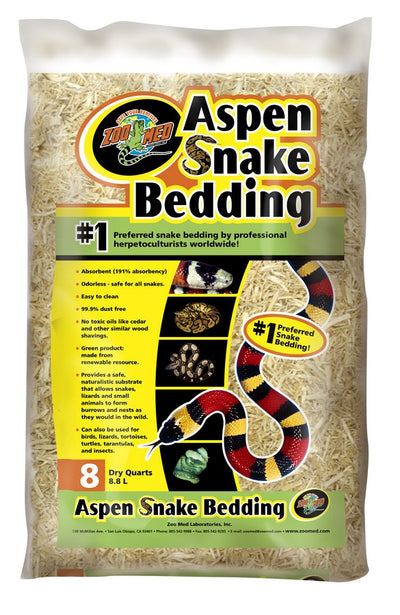
  • Deep, diggable substrate (a soil mix that can be slightly moist): a solid dry basking platform, hides, a large water pan it can climb out of, and heavy décor that cannot be undermined and dropped.
  • These lizards rearrange furniture.
3

Heat, light & humidity

Temperature needs

  • ReptiFiles: basking 100–115°F: cool side 75–80°F. That is the target used here.
  • Measure the platform.
  • Nights may drop if the tegu can rewarm in the morning.

Heating & lighting

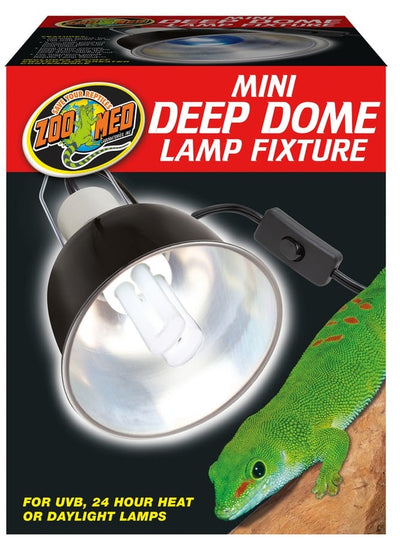
  • A cluster of thermostat-controlled Zoo Med basking / halogen floods over a large platform: plus a long Zoo Med ReptiSun T5 10.0 (or equivalent) to produce a UVI of about 4–6 at the basking zone with a gradient into shade (ReptiFiles).
  • This is not optional lighting.

Humidity & water

  • About 60–80% (ReptiFiles): produced mainly by deep, slightly moist substrate and a large water pan, not by soaking the basking platform.
  • Sheds fail in a bone-dry cage: scale problems appear in a stagnant wet one.
4

Feeding & supplements

Diet & feeding

  • A varied omnivore diet: rodents (not an all-rat diet), insects, and a large share of vegetables and fruit as the animal matures.
  • Specialty Serpents and ReptiFiles both warn that adults get obese if they are fed like growing tegus forever.
  • Fresh water always available.

Supplements

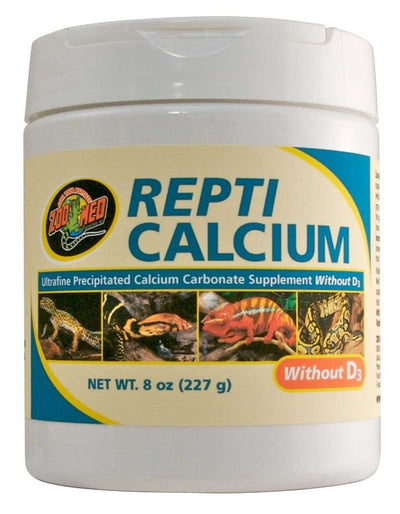
  • Calcium on produce and insects: especially for growing animals, with a vitamin plan that matches the strong UVB already in the cage.
  • Whole prey does not need to be the only calcium source: and it should not be the only food.
5

Breeding & handling

Breeding

A winter cool-down is used by many breeders. This sheet does not walk through brumation or permits. Keep sexes apart unless you are prepared for a large, determined pair.

Handling your new pet

  • Many red tegus become genuinely tame with daily: calm interaction from a young age.
  • They can also give a serious bite, especially around food.
  • Work at ground level: do not surprise them, and never leave a child unsupervised with one.
6

Health & setup

Common health issues

  • Obesity, metabolic bone disease from poor UVB: scale or respiratory issues from a wet stagnant cage, and bites or crushed décor injuries are the usual problems.
  • A soft jaw: a limp, or a sudden personality change needs a reptile veterinarian who has seen tegus.

Quick setup checklist

  • Adult enclosure at least 8×4×4 ft (males often 10×5×5), with a locking door
  • Deep diggable substrate and a dry, solid basking platform
  • Basking 100–115°F, cool side 75–80°F, measured on the platform
  • Strong linear UVB (UVI about 4–6 at the basking zone) with shade
  • Humidity 60–80% without soaking the basking area
  • Varied omnivore diet; do not overfeed adults
  • A long-term plan and a veterinarian who will see a tegu

Shop the setup

Supporting Sources

The Painted Reptile · 18730 Oxnard St., Unit 215, Tarzana, CA 91356 · 818-654-9441 This care sheet is a general guide. Every animal is an individual, so watch yours closely and see a reptile veterinarian with any health concerns.
Just added to your wishlist:
My Wishlist
You've just added this product to the cart:
Go to cart page