The Painted Reptile
Radiated Rat Snake – Quick Care OverviewRadiated Rat Snake Care Sheet – Full DetailsThe Painted Reptile · Reptile supplies, care & advice
18730 Oxnard St., Unit 215, Tarzana, CA 91356
818-654-9441 · paintedreptile.com
Painted Reptile Care Sheet

Radiated Rat Snake

Coelognathus radiatus(Boie, 1827)

Also called: Copperhead rat snake, copperhead trinket snake, radiated ratsnake; formerly Elaphe radiata

Group Snake · ColubridFamily ColubridaeWild status Least Concern (IUCN)
Last reviewed November 2026
Photo coming soon

Quick facts

PR Keeper Level · care difficulty
5/10Intermediate
1 · Hardy & forgiving10 · Experts only
1–2 Very easy · 3–4 Beginner · 5–6 Intermediate · 7–8 Advanced · 9–10 Expert
PR Handler Level · temperament
Yellow – Squirmy or flighty
Fast, alert, and often defensive (S-posture, neck inflation, tail buzz, musk); confident keepers only
Green: Calm & easygoing Yellow: Squirmy or flighty Red: Known to be aggressive
Adult size
Typically 4–7½ ft
Lifespan
10–15+ years with good care (figures vary)
Temperature
Warm side 80–88°F
Cool side 75–80°F · basking surface up to ~90°F
Humidity
50–75%
Humid hide · do not keep the cage dripping wet
Diet
Carnivore
Frozen-thawed rodents, sized to the snake
Enclosure
5–6×2×2 ft min. (adult)
Secure lid · floor space plus sturdy branches
Active
Diurnal to crepuscular; semi-arboreal
Temperament
Alert, fast, often defensive

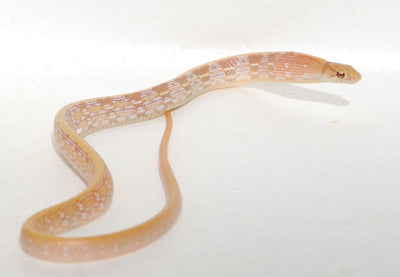
A large, alert Asian rat snake sold here in an albino form (and sometimes still labeled by the old name Elaphe radiata). It is hardy once eating, but it is a fast, often defensive colubrid that needs a locked, roomy cage — not a first snake.

Key care at a glance

  • HousingPlan at least a 5–6×2×2 ft enclosure for an adult that can reach 6–7 ft; a 40-gallon long tank, still cited in some older sheets, is too small. Floor space plus sturdy climbing branches, a locking lid, and one snake per cage.
  • Heat & lightCool side about 75–80°F, warm side 80–88°F, with a basking surface up to about 90°F. Lights off at night with a modest drop (not below about 68°F). Optional low UVB with shade is reasonable for a day-active snake.
  • HumidityAbout 50–75% with a humid hide. A large water bowl is always available. Avoid a constantly wet, stagnant cage.
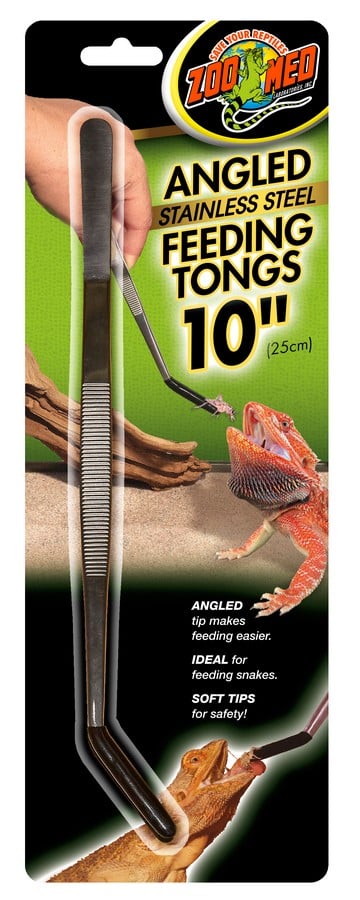
  • DietFrozen-thawed mice or rats. Adults eat less often than growing snakes. Use tongs — this is a reactive feeder.
  • HandlingExpect S-posture, a puffed neck, tail buzzing, and musk. Short, confident sessions after the snake is feeding, or keep it as a display animal.

Quick setup checklist

  • Locking adult enclosure 5–6×2×2 ft or larger, with climbing branches
  • Hides on the warm and cool ends plus a humid hide
  • Warm side 80–88°F, basking surface ~90°F, cool side 75–80°F, thermostat-controlled
  • Optional low UVB with shade
  • Large water bowl and 50–75% humidity, not a swamp
  • Frozen-thawed rodents offered with tongs
  • One snake per enclosure
Want every detail? Natural history, breeding, health and more are in the full care sheet. Open full details

Supporting Sources: Reptile Database — Coelognathus radiatus · Specialty Serpents — Radiated Ratsnake care · ReptiNode — Radiated ratsnake care · Reptile Centre — Radiated Rat Snake care · Big Apple Herp — Rat Snake Care Guide · IUCN Red List — Coelognathus radiatus · CITES Appendices I, II and III · full list in Full details · full list on the full care sheet

The Painted Reptile · 18730 Oxnard St., Unit 215, Tarzana, CA 91356 · 818-654-9441 This care sheet is a general guide. Every animal is an individual, so watch yours closely and see a reptile veterinarian with any health concerns.
1

About the species

Species background & natural history

Boie described this snake in 1827; it was long called Elaphe radiata and is now Coelognathus radiatus. It is a widespread South and Southeast Asian colubrid, not a North American rat snake. The Painted Reptile listing is an albino radiated rat snake; this sheet covers the species, including that form.

Physical description

A slender, muscular, slightly compressed colubrid with a copper or olive ground color and radiating head stripes in normally colored animals (albino forms lack the dark pigment). Adults typically reach 4–7½ ft (Specialty Serpents).

Distribution

A wide range across South and Southeast Asia (India through Indochina and parts of Indonesia), in forest edge, fields, and around buildings, often climbing.

Lifespan

Published pet figures vary; plan on a decade or more with steady feeding and a secure cage, in the same class as other large rat snakes.

2

Housing

Caging

  • Specialty Serpents still lists a 40-gallon long as the adult minimum: that is outdated for a snake that can reach 7 ft.
  • ReptiNode recommends about 150×60×75 cm (roughly 5×2×2.5 ft).
  • This draft uses 5–6×2×2 ft as the adult minimum: with height for branches, a perfectly locked lid, and no cohabitation.
  • Hatchlings can start smaller only temporarily.

Cage decor & substrate

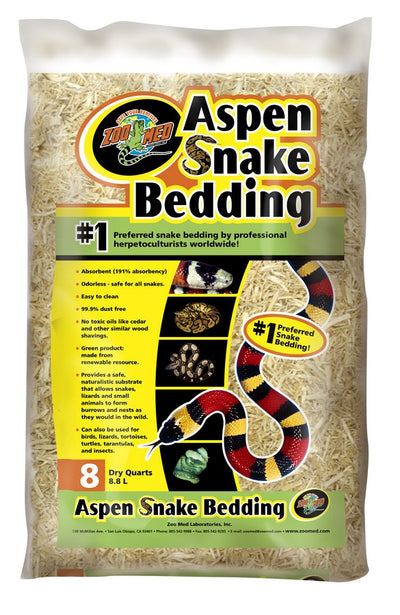
  • Burrowable substrate (cypress, coconut fiber, or aspen: never pine or cedar shavings), hides on both ends plus a humid hide, sturdy branches, and a large, heavy water bowl.
  • These snakes climb and also hide at floor level.
3

Heat, light & humidity

Temperature needs

  • Specialty Serpents: 75–80°F cool, 80–88°F warm.
  • ReptiNode: cool 24–26°C: warm 28–30°C, basking 30–33°C (about 86–91°F), nights not below ~20°C (68°F). Reptile Centre (UK) uses a 85–90°F basking lamp.
  • This draft uses a 80–88°F warm side with a basking surface near 90°F and a 75–80°F cool side.

Heating & lighting

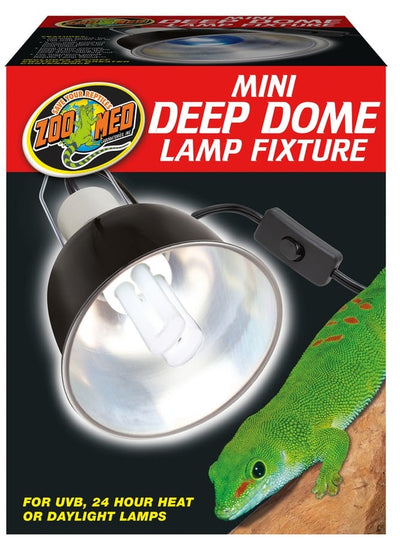
  • A Zoo Med basking bulb in a ceramic-socket dome: thermostat-controlled, over the warm end.
  • Optional Zoo Med ReptiSun 5.0 UVB with shade.
  • Night heat, if the room is cold, can be a thermostat-controlled Exo Terra ceramic bulb: not a colored ‘night bulb’ as the only source.

Humidity & water

  • Keep ambient humidity roughly 50–75% (Specialty Serpents) with a humid hide.
  • ReptiNode prefers 60–80%.
  • A large water bowl: cleaned often (they will foul it).
  • Do not run a permanently soaked, still cage.
4

Feeding & supplements

Diet & feeding

  • Appropriately sized frozen-thawed rodents.
  • Growing snakes eat more often than adults (Reptile Centre mentions about every two weeks for adults as a starting point: adjust to body condition).

Supplements

  • Whole rodents do not need routine dusting.
  • The usual problems are bite wounds from sloppy feeding: obesity, and stuck sheds, not a special vitamin schedule.
5

Breeding & handling

Breeding

Not covered in detail here. Keep animals apart unless you are deliberately breeding. Prefer documented captive-bred stock.

Handling your new pet

  • This is a known defensive species: S-coil, inflated neck, gaping, tail vibration, musk, and strikes (Specialty Serpents).
  • It can improve with calm: deliberate handling, but many animals stay display-first.
  • Never surprise it from above or pin it in a corner.
6

Health & setup

Common health issues

  • Watch for stuck sheds: rostral rubs from escape attempts, respiratory issues in a cold or dirty cage, and bite trauma from in-cage live prey (use pre-killed/frozen-thawed).

Quick setup checklist

  • Locking adult enclosure 5–6×2×2 ft or larger, with climbing branches
  • Hides on the warm and cool ends plus a humid hide
  • Warm side 80–88°F, basking surface ~90°F, cool side 75–80°F, thermostat-controlled
  • Optional low UVB with shade
  • Large water bowl and 50–75% humidity, not a swamp
  • Frozen-thawed rodents offered with tongs
  • One snake per enclosure

Shop the setup

Supporting Sources

The Painted Reptile · 18730 Oxnard St., Unit 215, Tarzana, CA 91356 · 818-654-9441 This care sheet is a general guide. Every animal is an individual, so watch yours closely and see a reptile veterinarian with any health concerns.
Just added to your wishlist:
My Wishlist
You've just added this product to the cart:
Go to cart page