The Painted Reptile
Prehensile-tailed Skink – Quick Care OverviewPrehensile-tailed Skink Care Sheet – Full DetailsThe Painted Reptile · Reptile supplies, care & advice
18730 Oxnard St., Unit 215, Tarzana, CA 91356
818-654-9441 · paintedreptile.com
Painted Reptile Care Sheet

Prehensile-tailed Skink

Corucia zebrataGray, 1855

Also called: Solomon Island skink, monkey-tailed skink

Group Lizard · SkinkFamily ScincidaeWild status Near Threatened (IUCN)
Last reviewed November 2026
Photo coming soon

Quick facts

PR Keeper Level · care difficulty
6/10Intermediate
1 · Hardy & forgiving10 · Experts only
1–2 Very easy · 3–4 Beginner · 5–6 Intermediate · 7–8 Advanced · 9–10 Expert
PR Handler Level · temperament
Yellow – Squirmy or flighty
Usually calm in the tree, but heavy, strong, and willing to bite if pulled off a branch
Green: Calm & easygoing Yellow: Squirmy or flighty Red: Known to be aggressive
Adult size
Often 24–32 in. including the tail
Lifespan
20+ years (some much longer) with good care
Temperature
Basking 90–95°F
Daytime air 75–85°F · modest night drop
Humidity
70–80%
Mist heavily · tall, ventilated, never bone-dry
Diet
Herbivore
Varied leafy greens and vegetables; fruit is a treat
Enclosure
4×2×4 ft min. (one adult; taller is better)
Thick, anchored branches · platforms · tight lid
Active
Nocturnal to crepuscular; strictly arboreal
Temperament
Often placid in the canopy; defensive if pulled from a perch

A large, prehensile-tailed, live-bearing skink from the Solomon Islands. It lives in the branches, eats a serious salad, and needs a tall, humid, UVB-lit cage for a very long life. This is a committed keeper’s lizard, not a small ground skink.

Key care at a glance

  • HousingA practical minimum for one adult is about 4×2×4 ft, taller rather than longer, with thick, locked-in branches, platforms, and a hide in the canopy. The lid and doors must actually lock — these lizards are strong.
  • Heat & lightDaytime air about 75–85°F with a basking surface around 90–95°F and a cooler retreat. Strong, shaded UVB (Zoo Med ReptiSun 5.0–10.0 by distance) for about 12 hours, plus a basking lamp.
  • Humidity70–80%, misted, with airflow so the cage does not go stagnant. A large water bowl helps.
  • DietLeafy greens and vegetables every day or nearly so; fruit only as a treat. Calcium on the salad, especially for growing and gravid animals.
  • HandlingLet it come to you. Do not peel the tail off a branch. They can bite hard.

Quick setup checklist

  • Tall, locking enclosure at least 4×2×4 ft for one adult
  • Thick, anchored branches, a canopy hide, and a large water bowl
  • Basking perch 90–95°F, air 75–85°F, with a cooler retreat
  • Linear UVB with shade, about 12 hours
  • Humidity 70–80% with misting and real airflow
  • Daily varied leafy diet plus a calcium plan
  • Captive-bred paperwork (CITES II)
Want every detail? Natural history, breeding, health and more are in the full care sheet. Open full details

Supporting Sources: Reptile Database — Corucia zebrata · CITES — Corucia zebrata · LLL Reptile — Prehensile-tailed skink care sheet · Goss Reptiles — Corucia care · Ambassador Animal Resource and Information Center — Prehensile-tailed skink · CITES Appendices I, II and III · IUCN Red List — Corucia zebrata · full list in Full details · full list on the full care sheet

The Painted Reptile · 18730 Oxnard St., Unit 215, Tarzana, CA 91356 · 818-654-9441 This care sheet is a general guide. Every animal is an individual, so watch yours closely and see a reptile veterinarian with any health concerns.
1

About the species

Species background & natural history

Gray described Corucia zebrata in 1855. It is the only species in its genus, a large arboreal, live-bearing skink from the Solomon Islands, often called the monkey-tailed or prehensile-tailed skink. It is listed on CITES Appendix II and assessed as Near Threatened.

Physical description

A heavy, olive to green-brown skink with a fully prehensile tail, often 24–32 in. in total length, built to clamp onto thick branches and move slowly through the canopy rather than sprint across a floor.

Distribution

The Solomon Islands, in lowland and hill forest canopy. Habitat loss and collection are part of the conservation picture; captive-bred animals are the only appropriate pets.

Lifespan

These are long-lived lizards. Keeper and zoo reports commonly exceed 20 years, and some animals live much longer. Plan accordingly.

2

Housing

Caging

  • LLL Reptile, Goss Reptiles, and other specialist keepers describe a tall, sturdy enclosure: often around 48×24×36 in. or larger as a starting point for one adult, with more height preferred.
  • This draft uses 4×2×4 ft as a practical modern minimum for one adult (larger for a bonded pair: which some keepers maintain carefully).
  • Branches must be thick and anchored: a falling perch will injure a heavy skink.

Cage decor & substrate

  • Multiple horizontal and diagonal branches of real thickness: a high hide, plants for cover, a deep bowl, and a substrate that holds humidity (cypress, coconut mix, or similar).
  • The furniture is the tree: not a bare floor with one stick.
3

Heat, light & humidity

Temperature needs

  • Specialist sheets typically use daytime air in the mid-70s to mid-80s °F: a basking area about 90–95°F, and a modest night drop.
  • That is the target used here.
  • Measure the perch the skink actually uses, not only mid-air.

Heating & lighting

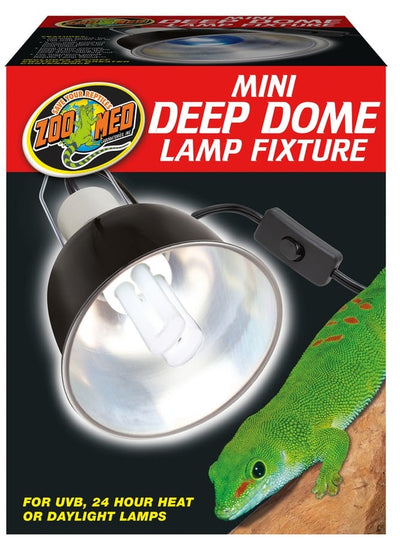
  • Zoo Med basking bulb: thermostat-controlled, over a high perch, plus a linear UVB lamp.
  • These large herbivores need a real UVB gradient and shade.
  • Lights on a 12-hour cycle: night heat only if the room is cold (thermostat-controlled ceramic, not a colored bulb).

Humidity & water

  • Target 70–80% with regular misting (LLL: Ambassador Animal Resource notes, and similar guides).
  • Ventilate so the cage smells like a forest, not a closed wet box.
  • A large water bowl, cleaned often.
4

Feeding & supplements

Diet & feeding

  • A varied herbivore salad: dark leafy greens, squash and other vegetables, and only occasional fruit.
  • Variety prevents the boredom and nutritional gaps of a single-green diet.
  • Offer food up in the branches, not only on the floor.

Supplements

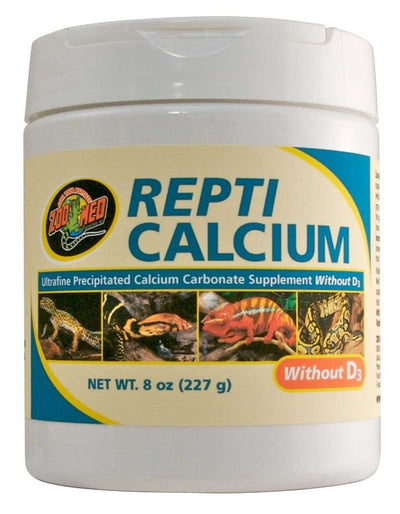
  • Dust or lightly supplement salads with calcium: use a vitamin with D3 more sparingly if UVB is correctly provided.
  • Growing, gravid, and old animals need particular attention to calcium.
5

Breeding & handling

Breeding

Live-bearing, often with a long gestation and typically a single large baby. Only house adults together if they are a known, compatible pair and you can separate them. This is not a casual breeding project.

Handling your new pet

  • Many individuals will tolerate being supported: but the safe default is not to unhook the tail from a branch.
  • If you must move the animal: support the body and wait for the tail to loosen.
  • A threatened skink can bite hard.
6

Health & setup

Common health issues

  • Metabolic bone disease: dehydration, respiratory or skin problems in a stagnant cage, and injuries from loose décor are the usual risks.
  • Weight loss or a soft jaw need a reptile veterinarian promptly.

Quick setup checklist

  • Tall, locking enclosure at least 4×2×4 ft for one adult
  • Thick, anchored branches, a canopy hide, and a large water bowl
  • Basking perch 90–95°F, air 75–85°F, with a cooler retreat
  • Linear UVB with shade, about 12 hours
  • Humidity 70–80% with misting and real airflow
  • Daily varied leafy diet plus a calcium plan
  • Captive-bred paperwork (CITES II)

Shop the setup

Supporting Sources

The Painted Reptile · 18730 Oxnard St., Unit 215, Tarzana, CA 91356 · 818-654-9441 This care sheet is a general guide. Every animal is an individual, so watch yours closely and see a reptile veterinarian with any health concerns.
Just added to your wishlist:
My Wishlist
You've just added this product to the cart:
Go to cart page