The Painted Reptile
Pink-tongued Skink – Quick Care OverviewPink-tongued Skink Care Sheet – Full DetailsThe Painted Reptile · Reptile supplies, care & advice
18730 Oxnard St., Unit 215, Tarzana, CA 91356
818-654-9441 · paintedreptile.com
Painted Reptile Care Sheet

Pink-tongued Skink

Cyclodomorphus gerrardii(Gray, 1845)

Also called: Pink-tongued lizard

Group Lizard · SkinkFamily ScincidaeWild status Least Concern (IUCN)
Last reviewed November 2026
Photo coming soon

Quick facts

PR Keeper Level · care difficulty
4/10Beginner
1 · Hardy & forgiving10 · Experts only
1–2 Very easy · 3–4 Beginner · 5–6 Intermediate · 7–8 Advanced · 9–10 Expert
PR Handler Level · temperament
Yellow – Squirmy or flighty
Usually calmer than a tree skink once settled, but can still bite or jump; never grab the tail
Green: Calm & easygoing Yellow: Squirmy or flighty Red: Known to be aggressive
Adult size
About 16–18 in (40–45 cm) total length
Lifespan
Often 10–15 years in captivity
Temperature
Basking mid 90s°F · ambient 75–85°F
A warm, humid, climbing gradient with shade
Humidity
60–80%
A humid, planted cage and a water vessel; not a dry blue-tongue setup
Diet
Specialized carnivore / molluscivore
Snails and slugs as the natural staple; insects and occasional other prey as variety
Enclosure
A 36×18×24 in (about 90×45×60 cm) or similar for one adult, with height to climb
Floor plus branches; a humid hide; a secure lid
Active
Crepuscular to nocturnal, semi-arboreal
Temperament
Often reasonably calm once settled; still a watch-first skink

An Australian, semi-arboreal skink, formerly Tiliqua gerrardii, with a pink tongue and a snail-heavy diet. It is sometimes kept by blue-tongue keepers, but it needs a more humid, climbing cage and should not be put on a dry northern-blue-tongue setup.

Key care at a glance

  • HousingA long-and-tall enclosure (about 36×18×24 in as a start for one adult) with branches, a humid hide, and a secure lid. Not a dry, flat blue-tongue box.
  • Heat and lightA Zoo Med basking perch in the mid 90s°F, ambient 75–85°F, plus a Zoo Med ReptiSun 5.0 (or similar mid-level) UVB lamp with shade.
  • HumidityKeep the cage humid (about 60–80%) with plants, a humid hide, and a water vessel, then ventilate.
  • DietSnails and slugs are the natural staple (clean, pesticide-free). Gut-loaded insects and occasional other prey add variety. This is not a chopped-salad blue-tongue diet.
  • HandlingOften reasonably calm once settled, but never grab the tail. Short, supported sessions.

Quick setup checklist

  • A humid, climbing enclosure — not a dry blue-tongue box
  • Zoo Med basking heat and Zoo Med ReptiSun 5.0 UVB with shade
  • A snail-and-insect diet, not a salad staple
  • A water vessel and a humid hide, with ventilation
  • Captive-bred; never grab the tail
Want every detail? Natural history, breeding, health and more are in the full care sheet. Open full details

Supporting Sources: Reptile Database — Cyclodomorphus gerrardii · IUCN Red List — Cyclodomorphus gerrardii · CITES Appendices I, II and III · full list in Full details · full list on the full care sheet

The Painted Reptile · 18730 Oxnard St., Unit 215, Tarzana, CA 91356 · 818-654-9441 This care sheet is a general guide. Every animal is an individual, so watch yours closely and see a reptile veterinarian with any health concerns.
1

About the species

Species background & natural history

Cyclodomorphus gerrardii was named by Gray in 1845 and was formerly placed in Tiliqua. It is a semi-arboreal Australian skink with a pink tongue, often kept by people who already keep blue-tongues — but it is not a dry-country Tiliqua. IUCN lists it as Least Concern (confirmed 21 November 2026). It is not listed in the CITES appendices valid 5 March 2026. US pets are captive-bred. This sheet does not give permit advice. Distinct from the northern and Indonesian blue-tongued skinks already on the site.

Physical description

Adults are typically about 16–18 in (40–45 cm), slimmer than a blue-tongued skink, with a long tail, smooth scales, and a bright pink tongue. Color is usually brown, tan, or gray with darker bands, especially in juveniles, which often fade with age. The limbs are well developed for climbing.

Distribution

Eastern Australia, in humid forest, woodland, and gardens, often climbing after snails. Australian natives are not exported; US animals are captive-bred. Never release.

Lifespan

Ten to fifteen years is a reasonable captive expectation. A dry cage or a diet without proper calcium and prey variety is a common way to lose condition.

2

Housing

Caging

  • A 36×18×24 in enclosure is a sensible start for one adult: more floor and more height are better.
  • Provide branches, a humid hide, and a secure lid.
  • One skink is the default.
  • Do not use a dry, low: open 'northern blue-tongue' layout.

Cage decor & substrate

  • A moisture-holding substrate (coco fiber: soil, and moss), branches, plants, a humid hide, and a water vessel.
  • Leave a drier basking perch with an easy retreat.
3

Heat, light & humidity

Temperature needs

  • A basking perch in the mid 90s°F (about 34–36°C): with ambient 75–85°F (24–29°C) and a cooler retreat.
  • Night can fall into the low 70s°F.
  • Measure the perch.

Heating & lighting

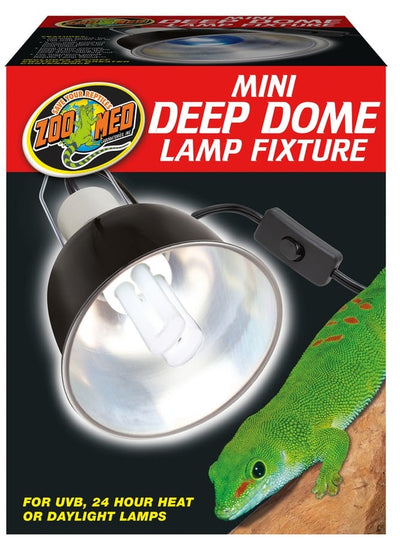
  • A Zoo Med basking bulb: thermostat- or distance-controlled, plus a Zoo Med ReptiSun 5.0 UVB lamp covering part of the cage, with shade.
  • An Exo Terra ceramic heater may hold night ambient in a cold room, on a thermostat.
  • Lights off at night.

Humidity & water

  • Aim for about 60–80% humidity with a humid hide and plants: plus a water vessel, and ventilate so the cage does not go stale.
  • This is not a desert skink.
4

Feeding & supplements

Diet & feeding

  • Snails and slugs are the natural staple: use clean, pesticide-free prey (or rinsed canned snails when fresh prey is not available).
  • Gut-loaded insects add variety.
  • Some keepers also offer occasional egg or other soft prey.
  • A chopped-salad blue-tongue diet is the wrong model as the staple.

Supplements

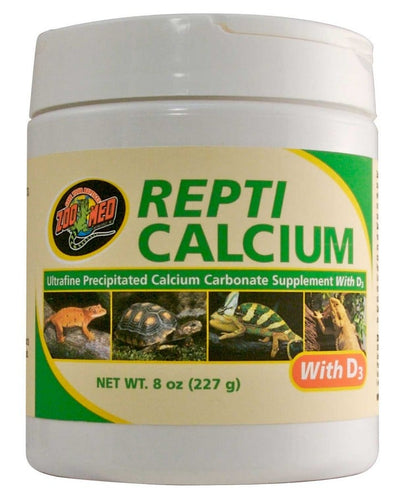
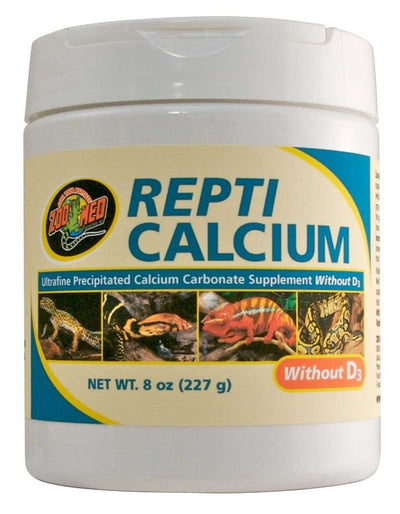
  • Calcium on prey: especially if the snail shells are not eaten, and a vitamin on a lighter schedule if UVB is already in place.
5

Breeding & handling

Breeding

Live-bearing, like many related skinks. This draft does not give a full breeding recipe.

Handling your new pet

  • Often reasonably calm once settled: with short, supported sessions.
  • Never grab the tail.
  • Wash hands.
  • Not a first child's lizard.
6

Health & setup

Common health issues

  • Watch for stuck shed: a thin tail, metabolic bone disease if calcium and UVB are skipped, and a refusal to eat if only salad is offered.
  • See a reptile veterinarian early.

Quick setup checklist

  • A humid, climbing enclosure — not a dry blue-tongue box
  • Zoo Med basking heat and Zoo Med ReptiSun 5.0 UVB with shade
  • A snail-and-insect diet, not a salad staple
  • A water vessel and a humid hide, with ventilation
  • Captive-bred; never grab the tail

Shop the setup

Supporting Sources

The Painted Reptile · 18730 Oxnard St., Unit 215, Tarzana, CA 91356 · 818-654-9441 This care sheet is a general guide. Every animal is an individual, so watch yours closely and see a reptile veterinarian with any health concerns.
Just added to your wishlist:
My Wishlist
You've just added this product to the cart:
Go to cart page