The Painted Reptile
Northern Rosy Boa – Quick Care OverviewNorthern Rosy Boa Care Sheet – Full DetailsThe Painted Reptile · Reptile supplies, care & advice
18730 Oxnard St., Unit 215, Tarzana, CA 91356
818-654-9441 · paintedreptile.com
Painted Reptile Care Sheet

Northern Rosy Boa

Lichanura orcuttiStejneger, 1889

Also called: Northern three-lined boa, coastal rosy boa (trade)

Group Snake · BoaFamily BoidaeWild status IUCN Least Concern. Not CITES-listed (appendices valid 5 March 2026). California native; one of three species 14 CCR § 43 may authorize for commercial sale.
Last reviewed November 2026
Photo coming soon

Quick facts

PR Keeper Level · care difficulty
2/10Very easy
1 · Hardy & forgiving10 · Experts only
1–2 Very easy · 3–4 Beginner · 5–6 Intermediate · 7–8 Advanced · 9–10 Expert
PR Handler Level · temperament
Green – Calm & easygoing
A small, generally calm boa. Support the body; do not dangle it or grab the head. Wash your hands before and after.
Green: Calm & easygoing Yellow: Squirmy or flighty Red: Known to be aggressive
Adult size
About 24–36 in, occasionally a little longer; a stout, relatively short boa.
Lifespan
Often 15–25 years, sometimes longer.
Temperature
Warm side 82–88°F; cool side 70–76°F; night 65–72°F
A modest warm hide, not a hot desert rock.
Humidity
30–50%
Dry to moderate; a moss box helps shedding. Avoid a damp cage.
Diet
Carnivore
Frozen-thawed mice of appropriate size.
Enclosure
30–40 gal or about 36×18×12 in minimum for an adult
A secure terrestrial enclosure with two hides and a tight-fitting lid.
Active
Mostly nocturnal and crepuscular.
Temperament
Generally calm and slow-moving. May curl into a ball when first picked up.

California legal note: The Painted Reptile is a California store, so we post California rules first and most transparently. Northern rosy boa (Lichanura orcutti), also called the northern three-lined boa in California regulations, is a California native reptile. Under 14 CCR § 40, native reptiles may be captured, possessed, purchased, sold, transported, imported, or exported only as the regulations allow (Fish and Game Code § 5061). This is one of only three native reptiles that 14 CCR § 43(c) allows to be sold, possessed, transported, imported, exported, or propagated for commercial purposes, and only under the rules in that section — including a Native Reptile Propagation Permit for people who sell or propagate them, a limited pet-shop exemption in § 43(f), and a numbered bill of sale for each sale. 14 CCR § 5.60 sets a sport-take bag and possession limit of 2 for wild animals of this species, with the other restrictions in that section. Animals that have been in captivity, including captively bred offspring, must not be released into the wild without written approval from the California Department of Fish and Wildlife (14 CCR § 40(e)). This page is a care guide. It is not legal advice, and it does not explain how to obtain any authorization. Other states and countries have their own laws.

The northern rosy boa is a small, stout, gentle boa of rocky scrub and desert slopes in southern California, the Baja borderlands, and adjoining Arizona. It is one of the few California native reptiles that state law can authorize for commercial sale, and it is also one of the easiest small boas to keep: a warm hide, a cool hide, and frozen-thawed mice. This sheet is a husbandry guide, not a permit guide.

Key care at a glance

  • California nativeone of only three reptiles 14 CCR § 43 may allow to be sold, and only under that section; never release (14 CCR § 40).
  • This draft is Lichanura orcutti, the animal named in § 43 — not the live site page titled L. trivirgata.
  • A small, calm boaabout 24–36 in, 15–25 years, frozen-thawed mice.
  • Warm hide about 82–88°F, cool side in the low 70s, dry aspen or similar, two hides.
  • Secure the lid; they are surprisingly strong for their size.
  • Do not collect from the wild as a substitute for a care plan.

Quick setup checklist

  • Read the California legal note before you buy, sell, move, or breed this animal.
  • Never release a captive northern rosy boa.
  • Secure enclosure about 36×18×12 in or 30–40 gal, with two hides.
  • Warm hide about 82–88°F on a thermostatted heat pad.
  • Frozen-thawed mice of the right size; no live rodents as the default.
  • Dry substrate and a moss box at shed time.
Want every detail? Natural history, breeding, health and more are in the full care sheet. Open full details

Supporting Sources: https://www.law.cornell.edu/regulations/california/14-CCR-40 · https://www.law.cornell.edu/regulations/california/14-CCR-43 · https://www.law.cornell.edu/regulations/california/14-CCR-5.60 · https://leginfo.legislature.ca.gov/faces/codes_displaySection.xhtml?lawCode=FGC§ionNum=5061. · https://wildlife.ca.gov/Licensing/Reptile-Propagation · https://www.iucnredlist.org/species/91864677/91864689 · full list in Full details · full list on the full care sheet

The Painted Reptile · 18730 Oxnard St., Unit 215, Tarzana, CA 91356 · 818-654-9441 This care sheet is a general guide. Every animal is an individual, so watch yours closely and see a reptile veterinarian with any health concerns.
1

About the species

Species background & natural history

California legal note: The Painted Reptile is a California store, so we post California rules first and most transparently. Northern rosy boa (Lichanura orcutti), also called the northern three-lined boa in California regulations, is a California native reptile. Under 14 CCR § 40, native reptiles may be captured, possessed, purchased, sold, transported, imported, or exported only as the regulations allow (Fish and Game Code § 5061). This is one of only three native reptiles that 14 CCR § 43(c) allows to be sold, possessed, transported, imported, exported, or propagated for commercial purposes, and only under the rules in that section — including a Native Reptile Propagation Permit for people who sell or propagate them, a limited pet-shop exemption in § 43(f), and a numbered bill of sale for each sale. 14 CCR § 5.60 sets a sport-take bag and possession limit of 2 for wild animals of this species, with the other restrictions in that section. Animals that have been in captivity, including captively bred offspring, must not be released into the wild without written approval from the California Department of Fish and Wildlife (14 CCR § 40(e)). This page is a care guide. It is not legal advice, and it does not explain how to obtain any authorization. Other states and countries have their own laws. Care is essentially the same as for other rosy boas already kept in the hobby: a modest gradient, dry substrate, and an appropriate mouse. The legal distinction is the important one on a California store page, especially because the site already has a rosy boa sheet under L. trivirgata.

Physical description

A heavy-bodied, short-headed boa, usually with three broad stripes of rose, rust, or dark brown on a gray, cream, or tan ground. The scales are smooth and the tail is blunt. It is a true boa, not a rosy python, and adults stay much smaller than a common boa.

Distribution

Rocky slopes, canyon edges, and desert scrub of southern California, southwestern Arizona, and nearby Mexico. In California regulations it is the northern three-lined boa, Lichanura orcutti.

Lifespan

Often 15–25 years, and some well-kept animals live longer. This is a long-term pet, not a short project.

2

Housing

Caging

  • A 30–40 gallon enclosure: or about 36×18×12 in, is a practical minimum for one adult.
  • A tight lid is required.
  • Provide a hide on the warm side and one on the cool side.
  • Keep adult males separate.
  • These snakes can push through loose tops.

Cage decor & substrate

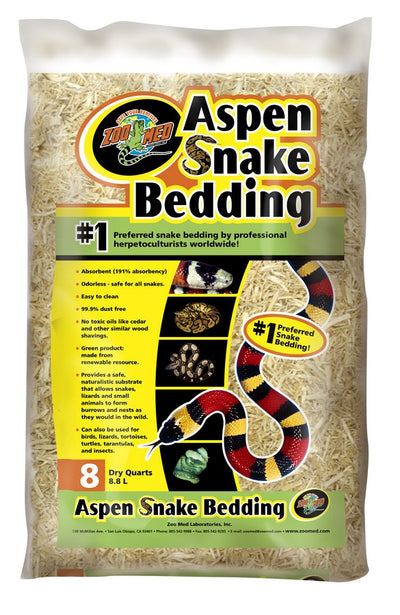
  • Dry aspen or a similar dry substrate: a water bowl, and a small box of damp moss when a shed is due.
  • Tight, dark hides matter more than plants.
  • Avoid damp, moldy bedding.
3

Heat, light & humidity

Temperature needs

  • Keep a warm hide around 82–88°F and a cool side around 70–76°F. Night can drop into the mid-60s to low 70s. A thermostatted heat pad under part of the enclosure is the usual method.
  • Measure inside the hide.

Heating & lighting

  • Belly heat on a thermostat is enough.
  • Room lighting on a regular day/night cycle is all the light they need: they do not require a basking bulb or a UVB tube the way a diurnal desert lizard does.

Humidity & water

  • Keep the cage on the dry side and offer a clean water bowl at all times.
  • Add a moss box around shedding time rather than wetting the whole enclosure.
4

Feeding & supplements

Diet & feeding

  • Feed frozen-thawed mice of a size that leaves only a modest bulge.
  • Adults usually eat every 10–14 days: growing animals eat more often.
  • Do not handle on feeding day.
  • Never feed live rodents as the default.

Supplements

  • Snakes eating whole frozen-thawed mice do not need a routine calcium powder.
  • A varied prey size as the snake grows is enough.
5

Breeding & handling

Breeding

Rosy boas are live-bearing. Breeding is straightforward in the hobby but is independently regulated for this native species in California. This sheet does not describe a breeding program or how to obtain authorization.

Handling your new pet

  • Support the body and keep sessions short at first.
  • Wash your hands before and after.
  • A snake that curls into a ball is asking to be put down, not uncoiled by force.
6

Health & setup

Common health issues

  • Watch for incomplete sheds: mites, a lump in the gut that does not pass, and a snake that refuses several meals while losing weight.
  • Use a reptile veterinarian.
  • Never release an unwanted rosy boa.

Quick setup checklist

  • Read the California legal note before you buy, sell, move, or breed this animal.
  • Never release a captive northern rosy boa.
  • Secure enclosure about 36×18×12 in or 30–40 gal, with two hides.
  • Warm hide about 82–88°F on a thermostatted heat pad.
  • Frozen-thawed mice of the right size; no live rodents as the default.
  • Dry substrate and a moss box at shed time.

Shop the setup

Supporting Sources

The Painted Reptile · 18730 Oxnard St., Unit 215, Tarzana, CA 91356 · 818-654-9441 This care sheet is a general guide. Every animal is an individual, so watch yours closely and see a reptile veterinarian with any health concerns.
Just added to your wishlist:
My Wishlist
You've just added this product to the cart:
Go to cart page