The Painted Reptile
Mourning Gecko – Quick Care OverviewMourning Gecko Care Sheet – Full DetailsThe Painted Reptile · Reptile supplies, care & advice
18730 Oxnard St., Unit 215, Tarzana, CA 91356
818-654-9441 · paintedreptile.com
Painted Reptile Care Sheet

Mourning Gecko

Lepidodactylus lugubris(Duméril and Bibron, 1836)

Also called: Common mourning gecko

Group Lizard · GeckoFamily GekkonidaeWild status Least Concern (IUCN)
Last reviewed November 2026
Photo coming soon

Quick facts

PR Keeper Level · care difficulty
2/10Very easy
1 · Hardy & forgiving10 · Experts only
1–2 Very easy · 3–4 Beginner · 5–6 Intermediate · 7–8 Advanced · 9–10 Expert
PR Handler Level · temperament
Yellow – Squirmy or flighty
Too small and fast to handle safely; a watch-only, often communal gecko
Green: Calm & easygoing Yellow: Squirmy or flighty Red: Known to be aggressive
Adult size
About 3½–4 in. total
Lifespan
Often 5–10 years with good care
Temperature
Warm side 75–80°F
Cool side ~70–72°F · avoid overheating a small cage
Humidity
60–80%
Mist 1–2 times daily · let it dry a little
Diet
Omnivore
Complete powdered gecko diet plus tiny insects
Enclosure
12×12×18 in. min. for 2–3 adults; 18×18×18 in. is more comfortable
Tall, planted, absolutely escape-proof (including hatchlings)
Active
Nocturnal to crepuscular; arboreal
Temperament
Shy, social with its own kind, not a handling pet

A tiny, hardy, all-female gecko that can populate a planted terrarium without a male. Care is straightforward — complete gecko diet, daily misting, modest warmth, and an absolutely escape-proof cage — but do not plan on holding them, and expect eggs if you keep a group.

Key care at a glance

  • HousingReptiFiles’ minimum is 12×12×18 in. for two or three adults; an 18×18×18 in. (or 18×18×24) cage is more comfortable and easier to furnish. Seal every gap, including mesh and cable holes — hatchlings walk out of opening you can barely see.
  • Heat & lightWarm/basking side about 75–80°F, cool side about 70–72°F. Low UVB (UVI about 1–3 at a basking leaf) with plenty of shade is recommended. Overheating a small tank is a real risk.
  • Humidity60–80%, misted once or twice daily, then allowed to fall.
  • DietA complete powdered diet such as Pangea on a ledge, plus occasional fruit flies or other tiny insects.
  • HandlingDon’t. Enjoy them at night with a dim light. A group will lay eggs without a male.

Quick setup checklist

  • Escape-proof tall enclosure (12×12×18 in. minimum for 2–3; 18 in. cube is better)
  • Fine mesh and sealed gaps that a hatchling cannot walk through
  • Warm side 75–80°F, cool side ~70–72°F — do not overheat
  • Low UVB with shade, or a complete diet plus very careful supplementation
  • Daily misting, 60–80% humidity
  • Complete powdered gecko diet on a ledge, plus occasional tiny insects
  • A plan for eggs if you keep more than one
Want every detail? Natural history, breeding, health and more are in the full care sheet. Open full details

Supporting Sources: Reptile Database — Lepidodactylus lugubris · ReptiFiles — Mourning Gecko Care Guide · ReptiFiles — Mourning gecko enclosure size · ReptiFiles — Mourning gecko lighting, temperature, and humidity · IUCN Red List — Lepidodactylus lugubris · CITES Appendices I, II and III · full list in Full details · full list on the full care sheet

The Painted Reptile · 18730 Oxnard St., Unit 215, Tarzana, CA 91356 · 818-654-9441 This care sheet is a general guide. Every animal is an individual, so watch yours closely and see a reptile veterinarian with any health concerns.
1

About the species

Species background & natural history

Duméril and Bibron described Lepidodactylus lugubris in 1836. It is a famous parthenogenetic gecko — populations are essentially all female and clone themselves — and it has hitchhiked widely across the tropical Pacific and beyond. This is a feature of the pet, not a reason to release one.

Physical description

A small, tan to brown gecko, usually about 3½–4 in. including the tail, with a pointed snout and a slightly flattened toe pad. Easy to overlook until it barks or licks nectar from a ledge.

Distribution

Native to a broad tropical Pacific / Indian Ocean coastal range and now established in many other warm places, including some buildings and gardens. Never release.

Lifespan

Keepers often report 5–10 years in a stable planted cage with a complete diet.

2

Housing

Caging

  • ReptiFiles sets 12×12×18 in. as the minimum for 2–3 adults: front-opening and escape-proof, with vertical space.
  • This draft reports that figure and recommends 18×18×18 in. or larger as a more practical planted home: especially if eggs will hatch in the cage.
  • Do not mix with larger gecko species that might eat them.

Cage decor & substrate

  • Cork bark, thin branches: leaf litter, live plants, and a high feeding ledge.
  • Bioactive setups work very well.
  • Every ventilation hole must be fine enough that a hatchling cannot walk through it.
3

Heat, light & humidity

Temperature needs

  • ReptiFiles: warm/basking side 75–80°F, cool side 70–72°F. That modest range is deliberate: a hot basking lamp in a 12-inch cube will cook them.
  • Measure both sides.

Heating & lighting

  • Often room temperature plus a low-output lamp is enough.
  • If you add heat: use a very small Zoo Med basking bulb or a carefully controlled side heat, thermostat-checked.
  • ReptiFiles recommends a UVI 1.0–3.0 basking area: a Zoo Med ReptiSun 5.0 at a conservative distance, with shade, is a reasonable way to do that in a tall planted cage.

Humidity & water

  • Mist 1–2 times daily to 60–80% and let surfaces dry a little (ReptiFiles).
  • They drink droplets.
  • A tiny water cup is optional.
4

Feeding & supplements

Diet & feeding

  • Complete powdered gecko diet (Pangea or similar) is the staple: offered often and kept fresh.
  • Tiny insects (fruit flies: pinhead crickets) add variety and enrichment.

Supplements

  • The complete diet already contains vitamins.
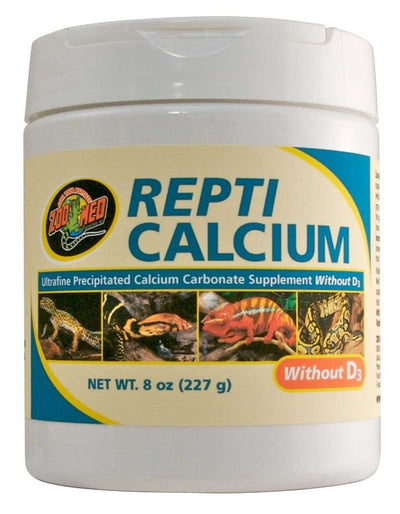
  • Dust occasional insects with a light calcium powder rather than stacking supplements on every meal.
5

Breeding & handling

Breeding

They will reproduce without a male. If you do not want a colony, remove eggs and do not start with a large group. Hatchlings need the same escape-proofing as adults, only more so.

Handling your new pet

  • A watch-only gecko.
  • Cup them only if you must move them.
  • They can drop the tail and bolt through the smallest gap.
6

Health & setup

Common health issues

  • The usual problems are escape: dehydration in a dry cage, overheating, and overcrowding once a colony takes off.
  • Stuck sheds are less common if humidity is right.

Quick setup checklist

  • Escape-proof tall enclosure (12×12×18 in. minimum for 2–3; 18 in. cube is better)
  • Fine mesh and sealed gaps that a hatchling cannot walk through
  • Warm side 75–80°F, cool side ~70–72°F — do not overheat
  • Low UVB with shade, or a complete diet plus very careful supplementation
  • Daily misting, 60–80% humidity
  • Complete powdered gecko diet on a ledge, plus occasional tiny insects
  • A plan for eggs if you keep more than one

Shop the setup

Supporting Sources

The Painted Reptile · 18730 Oxnard St., Unit 215, Tarzana, CA 91356 · 818-654-9441 This care sheet is a general guide. Every animal is an individual, so watch yours closely and see a reptile veterinarian with any health concerns.
Just added to your wishlist:
My Wishlist
You've just added this product to the cart:
Go to cart page