The Painted Reptile
Indonesian Blue-tongued Skink – Quick Care OverviewIndonesian Blue-tongued Skink Care Sheet – Full DetailsThe Painted Reptile · Reptile supplies, care & advice
18730 Oxnard St., Unit 215, Tarzana, CA 91356
818-654-9441 · paintedreptile.com
Painted Reptile Care Sheet

Indonesian Blue-tongued Skink

Tiliqua gigas(Schneider, 1801)

Also called: Merauke blue-tongued skink, giant blue-tongued skink; Irian Jaya and Kei Island animals are often sold under this species or as close forms

Group Lizard · SkinkFamily ScincidaeWild status Least Concern (IUCN)
Last reviewed November 2026
Photo coming soon

Quick facts

PR Keeper Level · care difficulty
4/10Beginner
1 · Hardy & forgiving10 · Experts only
1–2 Very easy · 3–4 Beginner · 5–6 Intermediate · 7–8 Advanced · 9–10 Expert
PR Handler Level · temperament
Yellow – Squirmy or flighty
Often calm once settled, but many imports start shy or bitey; never grab the tail
Green: Calm & easygoing Yellow: Squirmy or flighty Red: Known to be aggressive
Adult size
About 18–24 in.
Lifespan
15–25 years
Temperature
Basking 90–95°F
Cool end 75–80°F · night drop toward 70°F is fine
Humidity
60–80%
Moisture-holding substrate · not a dry Australian setup
Diet
Omnivore
Mixed protein and greens; adults eat less often than babies
Enclosure
4×2×2 ft min. (one adult)
Deep, humid, burrowable substrate · one skink
Active
Diurnal; terrestrial burrower
Temperament
Often calm once settled; can be shy or defensive at first

A humid-forest blue-tongued skink from New Guinea and nearby islands, distinct from the drier northern blue-tongue already on the site. Give it a 4×2×2 ft floor, a 90–95°F basking spot, 60–80% humidity, and a mixed omnivore diet. Do not keep it like an Australian northern.

Key care at a glance

  • Housing4×2×2 ft minimum for one adult, with a tight lid, warm and cool hides, and deep moisture-holding substrate for burrowing. PVC holds humidity better than an open glass-and-screen tank.
  • Heat & lightBasking surface about 90–95°F, cool end 75–80°F, with a night drop toward 70°F if the room allows. A Zoo Med basking bulb and a mid-level UVB tube (ReptiSun 5.0 or similar) with shade, 10–12 hours a day.
  • Humidity60–80% (Halmahera animals are often kept even more humid). Mist and use a mix such as cypress, sphagnum, and chopped coconut — not a dry aspen-only northern setup.
  • DietOmnivore. Young animals eat more protein, more often; adults need a larger share of greens and fewer feedings to avoid obesity.
  • HandlingSupport the body; never grab the tail. Let imports settle and eat before regular handling.

Quick setup checklist

  • 4×2×2 ft enclosure for one adult, with a lid that holds humidity
  • Deep moisture-holding substrate and hides on both ends
  • Basking 90–95°F, cool end 75–80°F, UVB with shade
  • Ambient humidity 60–80%, not a dry Australian setup
  • Varied omnivore diet; adults fed less often than babies
  • Calcium plan matched to UVB
  • Never grab the tail
Want every detail? Natural history, breeding, health and more are in the full care sheet. Open full details

Supporting Sources: Reptile Database — Tiliqua gigas · IUCN Red List — Tiliqua gigas · The Bio Dude — Classic Indonesian Blue Tongue Skink care · BeWild Reptile Rescue — Blue tongue skink · Birmingham Reptiles — Blue tongue skink care · CITES Appendices I, II and III · full list in Full details · full list on the full care sheet

The Painted Reptile · 18730 Oxnard St., Unit 215, Tarzana, CA 91356 · 818-654-9441 This care sheet is a general guide. Every animal is an individual, so watch yours closely and see a reptile veterinarian with any health concerns.
1

About the species

Species background & natural history

Schneider described Tiliqua gigas in 1801. It is the New Guinea / Indonesian blue-tongue, not T. scincoides (the northern already sheeted here). Merauke, Irian Jaya, and Kei Island animals are often sold under this species or as closely related forms; humidity needs are consistently higher than for Australian northerns.

Physical description

A thick, short-legged skink, usually 18–24 in., with a bright blue tongue used as a startle display. Indonesian and New Guinea animals are typically glossier and are built for a more humid forest floor than the northern species.

Distribution

New Guinea and nearby Indonesian islands, in humid forest, gardens, and disturbed ground.

Lifespan

BeWild Reptile Rescue and other keepers give 15–25 years, in the same class as northern blue-tongues, so this is a long commitment.

2

Housing

Caging

  • BeWild, Birmingham Reptiles: and The Bio Dude all treat 4×2×2 ft (48×24×24 in.) as the adult minimum, the same footprint as the northern sheet.
  • The difference is humidity and substrate, not length.
  • One skink per enclosure is simplest: they are heavy and will destroy delicate plants.

Cage decor & substrate

  • Warm hide, cool hide: cork or wood to wedge under, and a shallow water dish.
  • Deep, moisture-retaining substrate is the main enrichment: they dig.
  • BeWild warns against using coconut coir alone (dust and eye/mouth irritation): use it only as part of a mix.
3

Heat, light & humidity

Temperature needs

  • BeWild: basking 90–95°F: ambient 75–80°F, night drop toward or just below that band, with supplemental ceramic heat only if the room falls under about 65°F. That is the target used here.

Heating & lighting

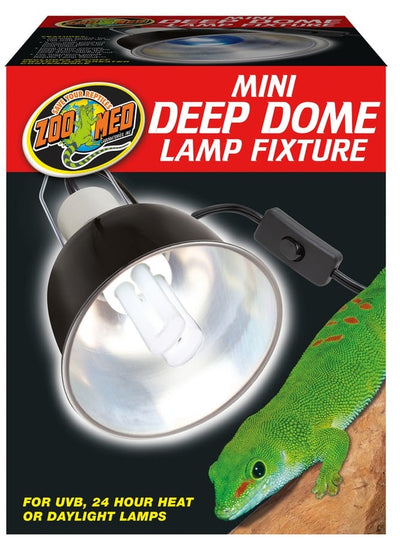
  • Overhead Zoo Med basking bulb, thermostat-controlled, plus UVB. Some older keepers skip UVB: WWF’s responsible-pet notes and current husbandry lean toward providing it so calcium metabolism is not left entirely to powders.
  • A ReptiSun 5.0 T5 with shade is a sensible default (BeWild also mentions 5% as a starting point).

Humidity & water

  • Indonesian forms need about 60–80% humidity (BeWild: Birmingham).
  • Halmaheras are often kept wetter still (BeWild cites 80–100% for that form).
  • Mist, use humid substrate: and let a surface crust dry so the cage does not go stagnant.
  • Water dish always available.
4

Feeding & supplements

Diet & feeding

  • The Bio Dude’s age split is a useful starting point: babies mostly protein, fed often; adults closer to half plants, fed 1–2 times a week.
  • BeWild uses a similar shift and warns about obesity.
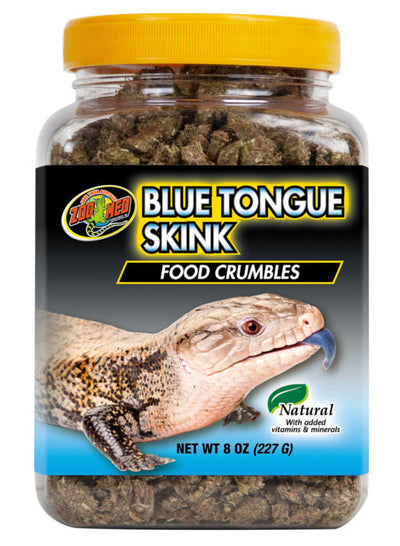
  • Rotate insects, snails: a little high-quality wet dog food, eggs, and dark leafy greens.
  • Fruit is a treat.

Supplements

  • Dust insects and mixed meals with calcium.
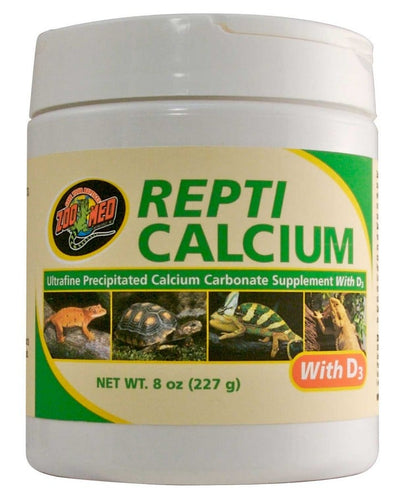
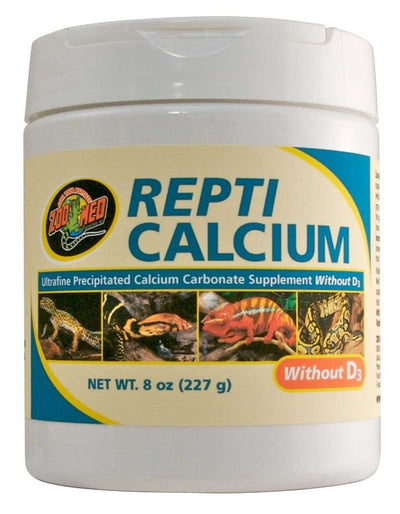
  • With proper UVB: use calcium without D3 most days and a vitamin with D3 less often.
  • Consistency matters more than any brand name.
5

Breeding & handling

Breeding

Live-bearing. Only house a pair if you are prepared for large babies and for separating them. This sheet is not a breeding manual.

Handling your new pet

  • Support the whole body: keep sessions short, and never lift by the tail.
  • Many long-term captives become calm: fresh imports may hiss, puff, and bite.
  • Yellow, not Green: until you know the individual.
6

Health & setup

Common health issues

  • Metabolic bone disease: obesity, stuck sheds, and scale or respiratory problems from a filthy wet cage are the usual issues.
  • Do not use a dry northern-skink protocol on this species.

Quick setup checklist

  • 4×2×2 ft enclosure for one adult, with a lid that holds humidity
  • Deep moisture-holding substrate and hides on both ends
  • Basking 90–95°F, cool end 75–80°F, UVB with shade
  • Ambient humidity 60–80%, not a dry Australian setup
  • Varied omnivore diet; adults fed less often than babies
  • Calcium plan matched to UVB
  • Never grab the tail

Shop the setup

Supporting Sources

The Painted Reptile · 18730 Oxnard St., Unit 215, Tarzana, CA 91356 · 818-654-9441 This care sheet is a general guide. Every animal is an individual, so watch yours closely and see a reptile veterinarian with any health concerns.
Just added to your wishlist:
My Wishlist
You've just added this product to the cart:
Go to cart page