The Painted Reptile
Impressed Tortoise – Quick Care OverviewImpressed Tortoise Care Sheet – Full DetailsThe Painted Reptile · Reptile supplies, care & advice
18730 Oxnard St., Unit 215, Tarzana, CA 91356
818-654-9441 · paintedreptile.com
Painted Reptile Care Sheet

Impressed Tortoise

Manouria impressa(Günther, 1882)

Also called: Impressed land tortoise

Group TortoiseFamily TestudinidaeWild status Endangered (IUCN)
Last reviewed November 2026
Photo coming soon

Quick facts

PR Keeper Level · care difficulty
7/10Advanced
1 · Hardy & forgiving10 · Experts only
1–2 Very easy · 3–4 Beginner · 5–6 Intermediate · 7–8 Advanced · 9–10 Expert
PR Handler Level · temperament
Green – Calm & easygoing
A usually calm forest tortoise; keep handling short and close to the ground
Green: Calm & easygoing Yellow: Squirmy or flighty Red: Known to be aggressive
Adult size
About 8–12 in (20–30 cm); smaller than the Asian brown tortoise (Manouria emys)
Lifespan
Often 30–50+ years in a cool, humid, spacious forest-style setup
Temperature
Basking spot about 80–85°F · ambient the mid 70s°F; avoid overheating
A large, humid, forest-floor setup with Zoo Med UVB and modest heat, not a desert table
Humidity
70–90%
A moist forest floor, leaf litter, and regular rain or spraying; this is not a dry-country tortoise
Diet
Omnivore
Forest fare with a real place for fungi, plus leafy greens, some fruit, and occasional animal protein such as earthworms
Enclosure
A large humid forest-style pen, about 6×4 ft or more; not a standard 4×2 desert table
Cool, moist, spacious, and secure; plan for a shy, wandering forest tortoise from the start
Active
Diurnal; often most active in cool, humid, overcast conditions
Temperament
A usually calm, shy forest tortoise; more of a specialist exhibit animal than a starter pet

A specialist Southeast Asian forest tortoise, smaller than the Asian brown tortoise (Manouria emys) already on the site, with a sunken, “impressed” look to the carapace scutes. It wants a cool, humid forest-style pen with Zoo Med UVB, not a dry desert table, and fungi are an important part of the diet.

Key care at a glance

  • HousingA large humid forest-style pen, about 6×4 ft or more; not a 4×2 desert table.
  • Heat and lightA modest Zoo Med basking spot about 80–85°F, ambient in the mid 70s°F, and Zoo Med UVB; avoid overheating.
  • HumidityA moist forest floor, about 70–90%, with regular spraying.
  • DietLeafy greens, fungi, some fruit, and occasional animal protein; this is not a grass-only grazer.
  • Identity and legalIUCN Endangered; CITES II (Testudinidae spp.). Distinct from Manouria emys. 4-inch rule applies to hatchling sales; no permit how-to.

Quick setup checklist

  • A large, humid, cool forest-style pen, not a 4×2 desert table
  • Modest 80–85°F basking and Zoo Med UVB; avoid overheating
  • Moist forest floor, 70–90% humidity
  • Broad forest diet with fungi, not grass-only
  • IUCN Endangered; CITES II
  • 4-inch rule applies to hatchling sales; no permit how-to
Want every detail? Natural history, breeding, health and more are in the full care sheet. Open full details

Supporting Sources: Reptile Database — Manouria impressa · IUCN Red List — Manouria impressa · CITES Appendices I, II and III · full list in Full details · full list on the full care sheet

The Painted Reptile · 18730 Oxnard St., Unit 215, Tarzana, CA 91356 · 818-654-9441 This care sheet is a general guide. Every animal is an individual, so watch yours closely and see a reptile veterinarian with any health concerns.
1

About the species

Species background & natural history

Manouria impressa was named by Günther in 1882. It is a montane-forest tortoise of mainland Southeast Asia, distinct from the much larger Asian brown tortoise (Manouria emys) posted in the previous batch. The common name comes from the sunken, impressed look of the carapace scutes. It is a cool, humid-forest specialist and a shy, wandering grazer and fungus feeder, not a desert table tortoise and not a starter pet.

Physical description

Adults are typically about 8–12 in (20–30 cm), smaller than M. emys, with a flattened, often brown carapace whose scutes look sunken or “impressed.” This is a forest tortoise, not a dry-country grazer.

Distribution

Mainland Southeast Asia, including parts of Myanmar, Thailand, Laos, Vietnam, Cambodia, and Peninsular Malaysia, in cool, humid forest. Never release.

Lifespan

Thirty to fifty years or more is a reasonable plan in a cool, humid, spacious setup, on a broad forest diet that includes fungi.

2

Housing

Caging

  • A large humid forest-style pen, about 6×4 ft or more, is a sensible adult home; this is not a standard 4×2 desert table.
  • Keep the floor moist, planted or littered, and well drained, with room to wander and a shallow water tray.

Cage decor & substrate

  • Leaf litter, moist soil, hides, and a large shallow water tray.
  • Avoid a dry, dusty, or overheated desert setup.
3

Heat, light & humidity

Temperature needs

  • A modest basking spot about 80–85°F (27–29°C), with ambient temperatures in the mid 70s°F (about 24°C); avoid overheating.

Heating & lighting

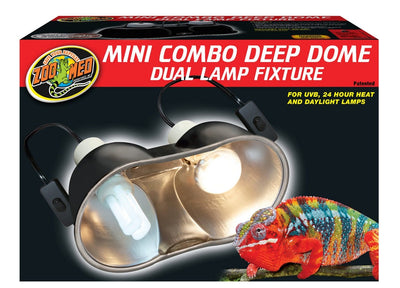
  • A Zoo Med T5 UVB hood (or equivalent Zoo Med UVB) plus a modest Zoo Med basking lamp is the lighting plan on this draft.
  • An Exo Terra ceramic heat emitter can supply extra ambient heat if the room runs cool; do not turn this into a hot desert cage.

Humidity & water

  • Keep a moist forest floor, about 70–90% humidity, with regular spraying or rain.
  • Provide a large shallow water tray; this is not a dry-country tortoise.
4

Feeding & supplements

Diet & feeding

  • A broad forest diet: leafy greens, fungi, some fruit, and occasional animal protein such as earthworms.
  • Mushrooms are an important part of this species’ fare; this is not a grass-only grazer.

Supplements

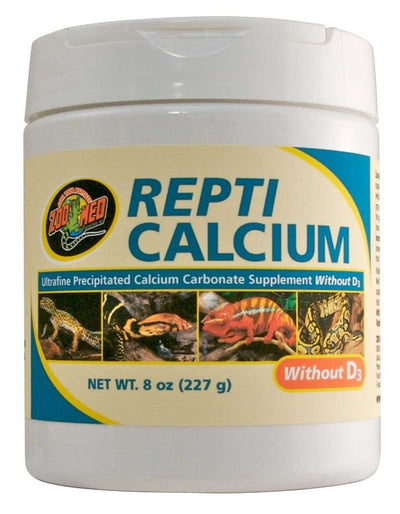
  • A light dusting of calcium without D3 on food, with UVB provided, plus a modest multivitamin on a schedule.
5

Breeding & handling

Breeding

A specialist project. This draft does not give a breeding recipe.

Handling your new pet

  • Usually calm and shy.
  • Keep any handling short and close to the ground; this is not a frequent-handling pet.
6

Health & setup

Common health issues

  • Watch for overheating, a runny nose, and shell or skin problems in a fouled or too-dry setup.
  • See a reptile veterinarian early if the tortoise stops eating or loses weight.

Quick setup checklist

  • A large, humid, cool forest-style pen, not a 4×2 desert table
  • Modest 80–85°F basking and Zoo Med UVB; avoid overheating
  • Moist forest floor, 70–90% humidity
  • Broad forest diet with fungi, not grass-only
  • IUCN Endangered; CITES II
  • 4-inch rule applies to hatchling sales; no permit how-to

Shop the setup

Supporting Sources

The Painted Reptile · 18730 Oxnard St., Unit 215, Tarzana, CA 91356 · 818-654-9441 This care sheet is a general guide. Every animal is an individual, so watch yours closely and see a reptile veterinarian with any health concerns.
Just added to your wishlist:
My Wishlist
You've just added this product to the cart:
Go to cart page