The Painted Reptile
Hourglass Tree Frog – Quick Care OverviewHourglass Tree Frog Care Sheet – Full DetailsThe Painted Reptile · Reptile supplies, care & advice
18730 Oxnard St., Unit 215, Tarzana, CA 91356
818-654-9441 · paintedreptile.com
Painted Reptile Care Sheet

Hourglass Tree Frog

Dendropsophus ebraccatus(Cope, 1874)

Also called: Pantless tree frog

Group FrogFamily HylidaeWild status Least Concern (IUCN)
Last reviewed November 2026
Photo coming soon

Quick facts

PR Keeper Level · care difficulty
4/10Beginner
1 · Hardy & forgiving10 · Experts only
1–2 Very easy · 3–4 Beginner · 5–6 Intermediate · 7–8 Advanced · 9–10 Expert
PR Handler Level · temperament
Yellow – Squirmy or flighty
A small, jumpy tree frog with delicate, permeable skin — an observation pet; handle only with damp, powder-free gloves or a cup
Green: Calm & easygoing Yellow: Squirmy or flighty Red: Known to be aggressive
Adult size
About 1–1.5 in (2.5–4 cm); females usually larger
Lifespan
Several years in a tall, humid, planted setup (a precise species captive figure is thin)
Temperature
About 74–82°F by day · nights about 68–74°F
A tall, humid, well-ventilated vivarium; avoid overheating
Humidity
70–90%
Mist daily, with a shallow water dish and good drainage; this is a humid-forest tree frog
Diet
Insectivore
Fruit flies, pinhead or small gut-loaded crickets, and other tiny insects, lightly supplemented
Enclosure
A tall 12×12×18 in or 18×18×18 in planted vivarium for a small compatible group
Vertical space, fine branches and leaves, and a tight, ventilated lid
Active
Nocturnal; often sits still on leaves or glass by day
Temperament
A small, often bold nocturnal tree frog; still an observation pet, not a holding frog

A small Central American tree frog, also called the pantless tree frog, formerly Hyla ebraccata, named for the hourglass-shaped blotch on the back. It wants a tall, humid, planted vivarium and tiny insects, and it is a pet to watch rather than hold.

Key care at a glance

  • HousingA tall 12×12×18 in or 18×18×18 in planted vivarium for a small compatible group, with a tight lid.
  • Heat and lightAbout 74–82°F by day and 68–74°F at night, with a normal day–night cycle.
  • HumidityDaily misting, a shallow water dish, and good drainage; about 70–90%.
  • DietFruit flies, small gut-loaded crickets, and other tiny insects, lightly supplemented.
  • Identity and legalIUCN Least Concern. Not CITES-listed. Formerly Hyla ebraccata. No permit how-to.

Quick setup checklist

  • A tall planted 12×12×18 or 18×18×18 vivarium with a tight lid
  • About 74–82°F by day; avoid overheating
  • Daily misting, a water dish, and good drainage
  • Fruit flies and other tiny insects, lightly supplemented
  • IUCN Least Concern; not CITES-listed
  • Formerly Hyla ebraccata; an observation pet
Want every detail? Natural history, breeding, health and more are in the full care sheet. Open full details

Supporting Sources: AmphibiaWeb — Dendropsophus ebraccatus · IUCN Red List — Dendropsophus ebraccatus · CITES Appendices I, II and III · full list in Full details · full list on the full care sheet

The Painted Reptile · 18730 Oxnard St., Unit 215, Tarzana, CA 91356 · 818-654-9441 This care sheet is a general guide. Every animal is an individual, so watch yours closely and see a reptile veterinarian with any health concerns.
1

About the species

Species background & natural history

Dendropsophus ebraccatus was named by Cope in 1874 and was long known as Hyla ebraccata. It is a small tree frog of Mexico, Central America, and nearby northern South America, common in the dart-frog and tree-frog hobby, and named for the hourglass-shaped mark on many animals’ backs. The “pantless” trade name comes from the pale legs. It is a small, humid-forest tree frog, not a large White’s or milk frog, and it is a watch-me animal, not a holding frog.

Physical description

Adults are typically about 1–1.5 in (2.5–4 cm), yellow to tan, often with a darker hourglass blotch on the back and paler hind legs. Females are usually larger.

Distribution

Southern Mexico through Central America and into nearby northern South America, in humid forest and edges. Never release.

Lifespan

Several years is a reasonable plan in a tall, humid, planted setup, on a steady tiny-insect diet. A precise published captive lifespan for this species is thin.

2

Housing

Caging

  • A tall 12×12×18 in or 18×18×18 in planted vivarium is a sensible home for a small compatible group.
  • Use a tight, ventilated lid; these frogs are small and can escape through tiny gaps.

Cage decor & substrate

  • Fine branches, leaves or a silk ficus, plants, a shallow water dish, and a moist but drained floor.
  • Avoid a dry, bare, or poorly covered cage.
3

Heat, light & humidity

Temperature needs

  • About 74–82°F (23–28°C) by day, with nights about 68–74°F (20–23°C). Avoid overheating.

Heating & lighting

  • A normal day–night cycle is the plan; if extra heat is needed, use a modest, thermostatted source and keep a cooler retreat.
  • Low-level UVB is optional; this draft does not require a UVB product.

Humidity & water

  • Mist daily and provide a shallow dish of dechlorinated water, with humidity about 70–90% and good drainage.
  • This is a humid-forest tree frog, not a dry-habitat species.
4

Feeding & supplements

Diet & feeding

  • Fruit flies, pinhead or small gut-loaded crickets, and other tiny insects are the staple.
  • Prey must stay small; this is not a large roach-eating tree frog.

Supplements

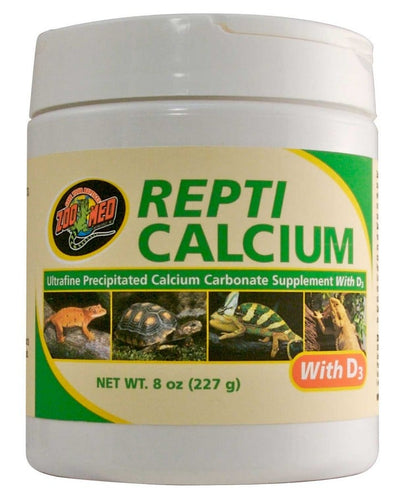
  • A light dusting of calcium with D3, plus a modest multivitamin on a schedule.
5

Breeding & handling

Breeding

A specialist project. This draft does not give a breeding recipe.

Handling your new pet

  • A small, jumpy tree frog with delicate, permeable skin.
  • Handle only when needed, with damp, powder-free gloves or a cup, then wash; this is an observation pet.
6

Health & setup

Common health issues

  • Watch for a too-dry or fouled setup, overheating, and a frog that stops eating or sits on the floor by day.
  • See a reptile or amphibian veterinarian early if those problems appear.

Quick setup checklist

  • A tall planted 12×12×18 or 18×18×18 vivarium with a tight lid
  • About 74–82°F by day; avoid overheating
  • Daily misting, a water dish, and good drainage
  • Fruit flies and other tiny insects, lightly supplemented
  • IUCN Least Concern; not CITES-listed
  • Formerly Hyla ebraccata; an observation pet

Shop the setup

Supporting Sources

The Painted Reptile · 18730 Oxnard St., Unit 215, Tarzana, CA 91356 · 818-654-9441 This care sheet is a general guide. Every animal is an individual, so watch yours closely and see a reptile veterinarian with any health concerns.
Just added to your wishlist:
My Wishlist
You've just added this product to the cart:
Go to cart page