The Painted Reptile
Emerald Tree Skink – Quick Care OverviewEmerald Tree Skink Care Sheet – Full DetailsThe Painted Reptile · Reptile supplies, care & advice
18730 Oxnard St., Unit 215, Tarzana, CA 91356
818-654-9441 · paintedreptile.com
Painted Reptile Care Sheet

Emerald Tree Skink

Lamprolepis smaragdina(Lesson, 1829)

Also called: Green tree skink

Group Lizard · SkinkFamily ScincidaeWild status Least Concern (IUCN)
Last reviewed November 2026
Photo coming soon

Quick facts

PR Keeper Level · care difficulty
4/10Beginner
1 · Hardy & forgiving10 · Experts only
1–2 Very easy · 3–4 Beginner · 5–6 Intermediate · 7–8 Advanced · 9–10 Expert
PR Handler Level · temperament
Yellow – Squirmy or flighty
Fast, jumpy, and ready to drop a tail; a display climber, not a handling pet
Green: Calm & easygoing Yellow: Squirmy or flighty Red: Known to be aggressive
Adult size
About 8–12 in (20–30 cm) total length
Lifespan
Often 5–10 years in captivity
Temperature
Basking mid 90s°F · ambient 80–85°F
A warm, planted gradient with shade
Humidity
60–80%
Daily misting and plants; allow a daily dry-out
Diet
Insectivore
Gut-loaded insects; some individuals also take fruit or complete diet as a treat
Enclosure
A tall 24×18×36 in (about 60×45×90 cm) for one adult
Height, branches, and an escape-proof lid matter more than a long floor
Active
Diurnal, arboreal
Temperament
Alert and fast; usually a watch-only skink

A slim, often bright-green arboreal skink from Southeast Asia and the Pacific. It is frequently sold as an easy green lizard, but it is jumpy, can drop its tail, and needs a tall, planted, UVB-lit cage. Color varies from emerald to brown by locality.

Key care at a glance

  • HousingA tall, escape-proof enclosure (about 24×18×36 in as a starting adult size) with branches, plants, and a secure lid. One skink is the simplest plan.
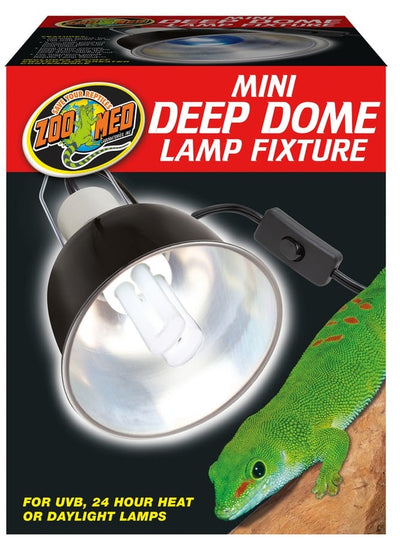
  • Heat and lightA Zoo Med basking bulb for a mid-90s°F perch, ambient 80–85°F, plus a Zoo Med ReptiSun 5.0 (or similar mid-level) UVB lamp with shade.
  • HumidityMist daily and keep plants and a humid hide available, then allow a dry-out. Provide a small water dish.
  • DietGut-loaded insects as the staple, dusted with calcium. Some animals will also lick fruit or a complete gecko diet as a treat, not a replacement.
  • HandlingLook, don't grab. Fast, jumpy, and ready to drop a tail.

Quick setup checklist

  • A tall, escape-proof, planted enclosure
  • Zoo Med basking heat and Zoo Med ReptiSun 5.0 UVB with shade
  • Daily misting with a daily dry-out, plus a water dish
  • Gut-loaded insects and calcium
  • Look, don't grab; prefer captive-bred
Want every detail? Natural history, breeding, health and more are in the full care sheet. Open full details

Supporting Sources: Reptile Database — Lamprolepis smaragdina · IUCN Red List — Lamprolepis smaragdina · CITES Appendices I, II and III · full list in Full details · full list on the full care sheet

The Painted Reptile · 18730 Oxnard St., Unit 215, Tarzana, CA 91356 · 818-654-9441 This care sheet is a general guide. Every animal is an individual, so watch yours closely and see a reptile veterinarian with any health concerns.
1

About the species

Species background & natural history

Lamprolepis smaragdina was named by Lesson in 1829. It is a widely distributed arboreal skink; color ranges from bright green to brown, and several regional forms are in the hobby. IUCN lists the species as Least Concern (current Red List page opened 21 November 2026). It is not listed in the CITES appendices valid 5 March 2026. Many imports are wild-caught; prefer captive-bred. Never release.

Physical description

Adults are typically about 8–12 in (20–30 cm), slim, with a long tail and smooth scales. Many trade animals are a rich emerald green with a paler underside; others are brown or bicolored depending on locality. The limbs are well developed for climbing.

Distribution

A broad range across parts of Southeast Asia, Indonesia, the Philippines, New Guinea, and many Pacific islands, in coastal and forest trees, coconut palms, and village gardens.

Lifespan

Five to ten years is a common captive expectation when the cage is tall, humid, and UVB-lit. Wild-caught imports may fail early if they arrive parasite-loaded or refuse food.

2

Housing

Caging

  • A tall 24×18×36 in enclosure is a sensible start for one adult: bigger and taller is better.
  • An escape-proof lid is required.
  • Furnish with branches: cork, and plants so the skink can move off the glass.
  • One skink per enclosure is the simplest plan: groups are a specialist choice and need more space.

Cage decor & substrate

  • Branches, vines, live or fake plants: a humid hide, and a slightly moist substrate (coco fiber and moss).
  • Leave climbing lanes and a basking perch with an easy retreat into shade.
3

Heat, light & humidity

Temperature needs

  • A basking perch in the mid 90s°F (about 34–36°C): with ambient 80–85°F (27–29°C) and a cooler shaded retreat, is a typical working range.
  • Night can fall into the mid 70s°F.
  • Measure the perch.

Heating & lighting

  • A Zoo Med basking bulb: thermostat- or distance-controlled, plus a Zoo Med ReptiSun 5.0 UVB lamp covering part of the cage, with shade.
  • An Exo Terra ceramic heater is only needed if the room is cold at night, on a thermostat.
  • Lights off at night.

Humidity & water

  • Mist daily so plants and perches are damp, then allow a dry-out.
  • Offer a small water dish and a humid hide.
  • Avoid a permanently soggy floor.
4

Feeding & supplements

Diet & feeding

  • Gut-loaded crickets: roaches, and similar insects are the staple.
  • Some individuals will also take fruit or a complete gecko diet as a treat.
  • Do not replace insects with fruit.

Supplements

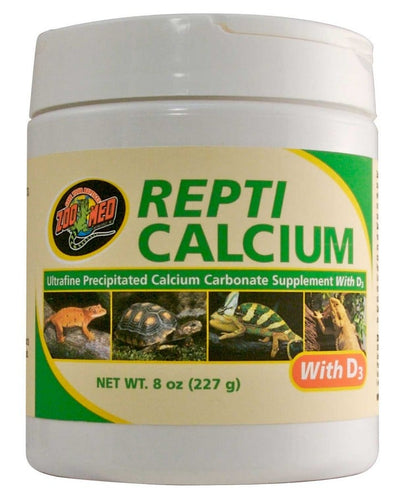
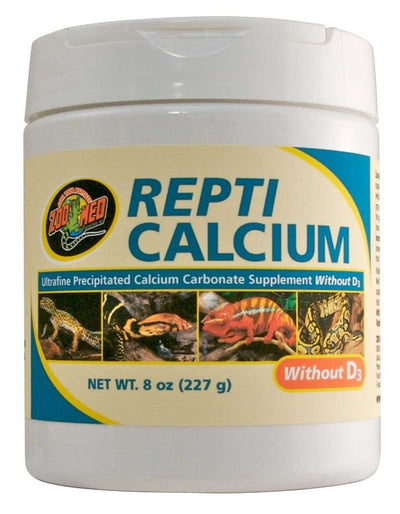
  • Dust insects with calcium without D3 on most feeds: and a vitamin or calcium with D3 on a lighter schedule if UVB is already in place.
5

Breeding & handling

Breeding

Possible in tall planted cages. This draft does not give a full breeding recipe. Prefer captive-bred lines over more wild imports.

Handling your new pet

  • A display skink.
  • It is fast: may jump, and will drop its tail if grabbed.
  • Move it, if you must: by coaxing into a cup or box.
6

Health & setup

Common health issues

  • Watch for dropped or infected tails: stuck shed, a thin body, and parasites in new imports.
  • Quarantine new animals.
  • See a reptile veterinarian early.

Quick setup checklist

  • A tall, escape-proof, planted enclosure
  • Zoo Med basking heat and Zoo Med ReptiSun 5.0 UVB with shade
  • Daily misting with a daily dry-out, plus a water dish
  • Gut-loaded insects and calcium
  • Look, don't grab; prefer captive-bred

Shop the setup

Supporting Sources

The Painted Reptile · 18730 Oxnard St., Unit 215, Tarzana, CA 91356 · 818-654-9441 This care sheet is a general guide. Every animal is an individual, so watch yours closely and see a reptile veterinarian with any health concerns.
Just added to your wishlist:
My Wishlist
You've just added this product to the cart:
Go to cart page