The Painted Reptile
Emerald Tree Monitor – Quick Care OverviewEmerald Tree Monitor Care Sheet – Full DetailsThe Painted Reptile · Reptile supplies, care & advice
18730 Oxnard St., Unit 215, Tarzana, CA 91356
818-654-9441 · paintedreptile.com
Painted Reptile Care Sheet

Emerald Tree Monitor

Varanus prasinus(Schlegel, 1839)

Also called: Green tree monitor

Group Lizard · MonitorFamily VaranidaeWild status Least Concern (IUCN)
Last reviewed November 2026
Photo coming soon

Quick facts

PR Keeper Level · care difficulty
8/10Advanced
1 · Hardy & forgiving10 · Experts only
1–2 Very easy · 3–4 Beginner · 5–6 Intermediate · 7–8 Advanced · 9–10 Expert
PR Handler Level · temperament
Yellow – Squirmy or flighty
A flighty, long-tailed arboreal monitor; usually a display animal, and a bite or a fall is a real risk
Green: Calm & easygoing Yellow: Squirmy or flighty Red: Known to be aggressive
Adult size
About 3–3.5 ft (90–110 cm), much of it tail
Lifespan
10–15+ years when the cage is tall, humid, and well fed
Temperature
Basking about 95–105°F · ambient mid 80s°F
A warm, humid room with a clear gradient and a cooler retreat
Humidity
60–80%+
Live or dense plants, a large water vessel, and ventilation so the air does not stagnate
Diet
Carnivore
Gut-loaded insects, plus occasional vertebrates — an arboreal hunter, not a kibble lizard
Enclosure
A tall 6×3×6 ft (or similar) for an adult
Height and branches matter as much as floor; locking doors; one monitor is the default
Active
Diurnal, strongly arboreal
Temperament
Alert, flighty, and often more display than handle

A slender, bright-green arboreal monitor from New Guinea. It needs a tall, humid, heavily branched cage and is a specialist project, not a first monitor. Distinct from the savannah and water monitors already on the site, and from the blue or black tree monitors sometimes sold alongside it.

Key care at a glance

  • HousingA tall, locking enclosure — about 6×3×6 ft is a sensible adult target — packed with stable, overlapping branches and plants. Floor space alone is not enough. One monitor per enclosure is the default.
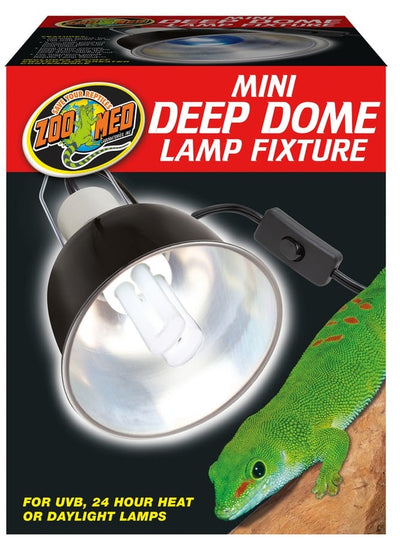
  • Heat and lightA Zoo Med basking bulb creating a 95–105°F perch, ambient mid-80s°F, plus a Zoo Med ReptiSun 10.0 (or similar high-output) UVB tube with plenty of shade.
  • HumidityKeep the cage humid (often 60–80% or a bit more) with plants, misting, and a large water vessel, but ventilate. Stale wet air is a problem.
  • DietGut-loaded insects as the staple, with occasional appropriately sized vertebrates. This is not a savannah-monitor rodent diet.
  • HandlingUsually a display animal. Flighty, long-tailed, and able to bite. Not a first monitor and not a child's pet.

Quick setup checklist

  • A tall, locking, heavily branched enclosure (about 6×3×6 ft as an adult target)
  • Zoo Med basking heat and Zoo Med ReptiSun 10.0 UVB with shade
  • High humidity with real ventilation
  • An insect-forward carnivore diet
  • One monitor, captive-bred if possible, and a long-term plan
Want every detail? Natural history, breeding, health and more are in the full care sheet. Open full details

Supporting Sources: Reptile Database — Varanus prasinus · IUCN Red List — Varanus prasinus · CITES Appendices I, II and III · full list in Full details · full list on the full care sheet

The Painted Reptile · 18730 Oxnard St., Unit 215, Tarzana, CA 91356 · 818-654-9441 This care sheet is a general guide. Every animal is an individual, so watch yours closely and see a reptile veterinarian with any health concerns.
1

About the species

Species background & natural history

Varanus prasinus was named by Schlegel in 1839. It is a slender, prehensile-tailed tree monitor from New Guinea and nearby islands. Closely related blue and black tree monitors (V. macraei, V. beccarii) are also in the specialty trade and should not be treated as the same sheet. IUCN lists V. prasinus as Least Concern. All Varanus are on CITES Appendix II (appendices valid 5 March 2026). Prefer captive-bred. This sheet does not give permit advice.

Physical description

Adults are typically about 3–3.5 ft (90–110 cm), with a long, prehensile tail making up much of that length, a slender body, and a bright emerald to lime-green color, sometimes with faint barring. The limbs and claws are built for climbing, not for a desert floor.

Distribution

New Guinea and some nearby islands, in humid forest canopy and edge habitats. Captive animals in the US are from the hobby, not a backyard species. Never release.

Lifespan

Ten to fifteen years or more is a reasonable expectation when the enclosure is tall and humid and the diet is varied. A thin, stressed import in a short cage is a common way to lose this species early.

2

Housing

Caging

  • Think in height: a 6×3×6 ft (or similar volume) locking enclosure, or a custom tall cabinet, is a sensible adult target.
  • Pack it with stable: overlapping branches, platforms, and plants so the monitor can move without leaping to the floor.
  • A deep enough substrate for a humid base and a large water vessel help: but this is not a ground-dwelling burrower first.
  • One adult per enclosure.

Cage decor & substrate

  • Heavy, anchored branches: cork, vines, and live or dense fake plants.
  • Provide shaded hides among the branches, not only a floor cave.
  • A large, heavy water vessel should be reachable from the furniture.
3

Heat, light & humidity

Temperature needs

  • A basking perch around 95–105°F (35–41°C): with ambient mid-80s°F (about 29–30°C) and a cooler retreat, is a typical working range for tree monitors.
  • Measure the perch.
  • Night can fall into the mid-to-high 70s°F.

Heating & lighting

  • A Zoo Med basking bulb in a ceramic-socket fixture: thermostat-controlled, aimed at a high perch, plus a Zoo Med ReptiSun 10.0 T5 UVB tube over part of the cage, with shade.
  • An Exo Terra ceramic heater may hold night ambient in a cold room, on a thermostat.
  • Lights off at night.
  • No colored bulbs as the only heat.

Humidity & water

  • Keep humidity generally high (60–80% or a little more) with plants: a large water vessel, and regular misting, then ventilate.
  • Stuck shed and respiratory trouble both show up when the cage is either bone-dry or stale and wet.
4

Feeding & supplements

Diet & feeding

  • Gut-loaded roaches: crickets, and other insects are the staple.
  • Occasional appropriately sized vertebrates can add variety.
  • A rodent-heavy diet is the wrong model for this arboreal species.

Supplements

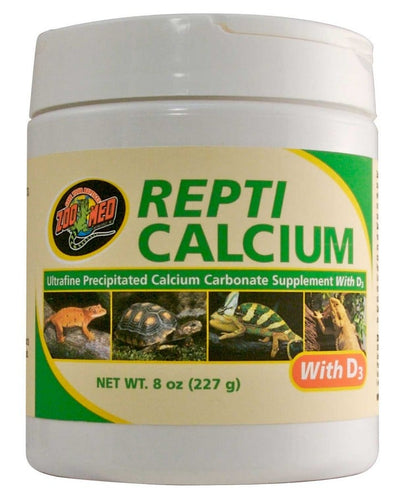
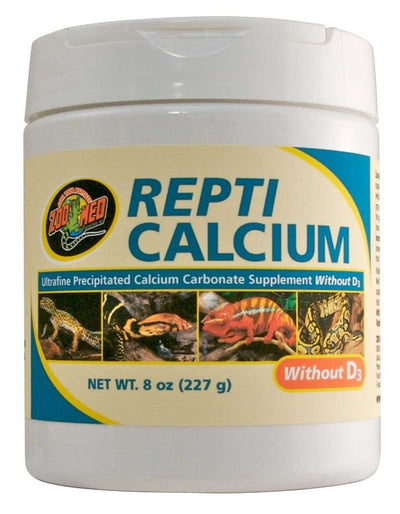
  • Dust insects with calcium without D3 on most feeds: and a vitamin (or calcium with D3) on a lighter schedule if UVB is already in place.
5

Breeding & handling

Breeding

A specialist project. Pairs need space and careful introductions. This draft does not give a breeding recipe.

Handling your new pet

  • Most keepers treat this as a display monitor.
  • It is flighty, can jump, and can bite.
  • If you must move it: have a plan and support the body.
  • Not a child's pet.
6

Health & setup

Common health issues

  • Watch for stuck shed on toes and tail: a thin tail or pelvis, mucus or open-mouth breathing, and falls or rostral rubs in a too-small cage.
  • See a reptile veterinarian early.

Quick setup checklist

  • A tall, locking, heavily branched enclosure (about 6×3×6 ft as an adult target)
  • Zoo Med basking heat and Zoo Med ReptiSun 10.0 UVB with shade
  • High humidity with real ventilation
  • An insect-forward carnivore diet
  • One monitor, captive-bred if possible, and a long-term plan

Shop the setup

Supporting Sources

The Painted Reptile · 18730 Oxnard St., Unit 215, Tarzana, CA 91356 · 818-654-9441 This care sheet is a general guide. Every animal is an individual, so watch yours closely and see a reptile veterinarian with any health concerns.
Just added to your wishlist:
My Wishlist
You've just added this product to the cart:
Go to cart page