The Painted Reptile
Edible Bullfrog – Quick Care OverviewEdible Bullfrog Care Sheet – Full DetailsThe Painted Reptile · Reptile supplies, care & advice
18730 Oxnard St., Unit 215, Tarzana, CA 91356
818-654-9441 · paintedreptile.com
Painted Reptile Care Sheet

Edible Bullfrog

Pyxicephalus edulisPeters, 1854

Also called: Lesser African bullfrog, pixie frog (in part)

Group FrogFamily PyxicephalidaeWild status Least Concern (IUCN)
Last reviewed November 2026
Photo coming soon

Quick facts

PR Keeper Level · care difficulty
3/10Beginner
1 · Hardy & forgiving10 · Experts only
1–2 Very easy · 3–4 Beginner · 5–6 Intermediate · 7–8 Advanced · 9–10 Expert
PR Handler Level · temperament
Yellow – Squirmy or flighty
A hungry, burrowing frog that may snap at prey tongs; handle only when needed, with clean wet hands or a cup, then wash
Green: Calm & easygoing Yellow: Squirmy or flighty Red: Known to be aggressive
Adult size
About 4–6 in (10–15 cm); smaller than the African bullfrog (P. adspersus), with females usually smaller than males
Lifespan
Often 10–15+ years in a clean, correctly warmed burrowing setup
Temperature
About 75–82°F by day · nights a little cooler
A burrowing setup with a slightly warmer and slightly cooler side; do not keep it cold or overheated
Humidity
50–70%
Moist burrowing substrate and a shallow water dish; not a constantly wet box
Diet
Carnivore
Gut-loaded crickets, dubia roaches, and night crawlers, lightly supplemented; do not overfeed
Enclosure
A 20 gallon long tank or tub for an adult; floor space matters more than height
A deep, clean burrowing substrate, a shallow water dish, and a secure lid; one frog is the default
Active
Mostly nocturnal or crepuscular; spends much of the day buried
Temperament
A hardy, sit-and-wait burrower with a strong appetite; more of a watch-me frog than a frequent-handling pet

A smaller African Pyxicephalus, also called the lesser African bullfrog, and sometimes sold under the same “pixie frog” trade name as the much larger African bullfrog (P. adspersus) already on the site. Identify the animal by species, not by that trade name. It wants a burrowing setup, a shallow water dish, and a hearty insect diet, and it is a pet to watch more than to hold.

Key care at a glance

  • HousingA 20 gallon long tank or tub for an adult, with deep burrowing substrate and a secure lid.
  • Heat and lightAbout 75–82°F by day, with a slightly cooler night and a normal day–night cycle.
  • HumidityMoist, not soupy, burrowing substrate and a shallow water dish.
  • DietGut-loaded crickets, dubia roaches, and night crawlers; do not overfeed. Feed with tongs.
  • Identity and legalIUCN Least Concern (2016 assessment, needs updating). Not CITES-listed. Distinct from P. adspersus; “pixie frog” is used for both. No permit how-to.

Quick setup checklist

  • A 20 gallon long burrowing setup with a shallow water dish
  • About 75–82°F by day; do not overheat
  • Moist, not soupy, substrate
  • Insects and worms, fed with tongs; do not overfeed
  • IUCN Least Concern; not CITES-listed
  • Distinct from P. adspersus; “pixie frog” is used for both
Want every detail? Natural history, breeding, health and more are in the full care sheet. Open full details

Supporting Sources: AmphibiaWeb — Pyxicephalus edulis · IUCN Red List — Pyxicephalus edulis · CITES Appendices I, II and III · full list in Full details · full list on the full care sheet

The Painted Reptile · 18730 Oxnard St., Unit 215, Tarzana, CA 91356 · 818-654-9441 This care sheet is a general guide. Every animal is an individual, so watch yours closely and see a reptile veterinarian with any health concerns.
1

About the species

Species background & natural history

Pyxicephalus edulis was named by Peters in 1854. It is a wide-ranging African burrowing frog, smaller than the African bullfrog (Pyxicephalus adspersus) already on the site. The trade name “pixie frog” is used for both species, so this sheet is drafted under the edible, or lesser African, bullfrog and asks keepers to identify stock by scientific name. It is a hardy sit-and-wait burrower with a strong appetite, not a climbing tree frog and not a frequent-handling pet.

Physical description

Adults are typically about 4–6 in (10–15 cm), stocky and olive to brown, smaller than a male P. adspersus. This is a burrowing frog with a wide mouth, not a tree frog.

Distribution

A wide range in sub-Saharan Africa, in savanna and seasonal woodland. Never release.

Lifespan

Ten to fifteen years or more is a reasonable plan in a clean, correctly warmed burrowing setup, without overfeeding.

2

Housing

Caging

  • A 20 gallon long tank or tub is a sensible home for an adult; floor space matters more than height.
  • One frog is the default, with a deep, clean burrowing substrate and a secure lid.

Cage decor & substrate

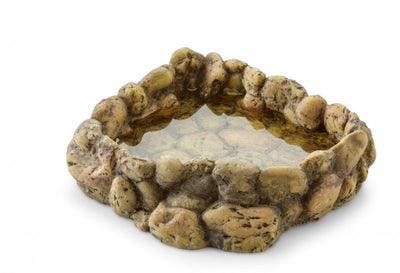
  • A deep, moist coco or similar substrate, a hide, and a shallow water dish.
  • Avoid a deep water bowl and a dry, bare cage.
3

Heat, light & humidity

Temperature needs

  • About 75–82°F (24–28°C) by day, with a slightly cooler night. Do not keep it cold or overheated.

Heating & lighting

  • A normal day–night cycle is the plan; if extra heat is needed, use a modest, thermostatted source and keep a cooler retreat.
  • Low-level UVB is optional; this draft follows the existing African bullfrog product pattern and does not require a UVB product.

Humidity & water

  • Keep the substrate moist, not soupy, with humidity about 50–70%, and a shallow dish of dechlorinated water.
  • Do not leave a fouled, wet box.
4

Feeding & supplements

Diet & feeding

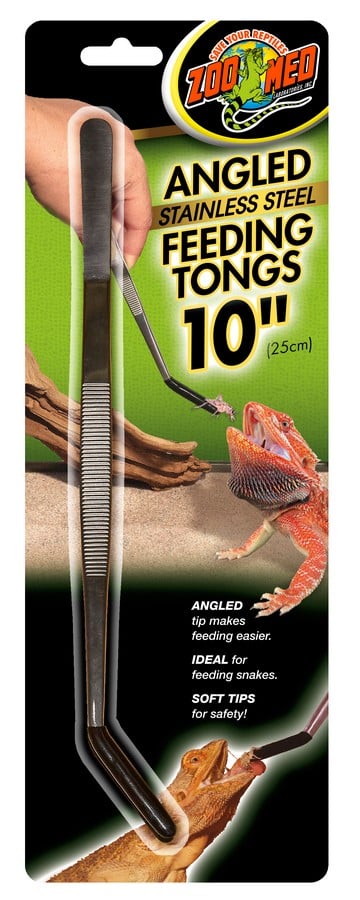
  • Gut-loaded crickets, dubia roaches, and night crawlers are the staple; feed with tongs.
  • Do not overfeed; this species has a strong appetite. Prey should be no wider than the frog’s head.

Supplements

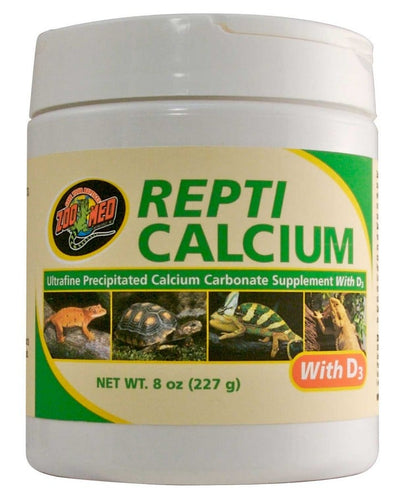
  • A light dusting of calcium with D3, plus a modest multivitamin on a schedule.
5

Breeding & handling

Breeding

A specialist project. This draft does not give a breeding recipe.

Handling your new pet

  • A hardy burrower, but it may snap at prey tongs and has delicate, permeable skin.
  • Handle only when needed, with clean wet hands or a cup, then wash; this is not a frequent-handling pet.
6

Health & setup

Common health issues

  • Watch for obesity, a fouled or too-wet setup, and a frog that stops eating or sheds poorly.
  • See a reptile or amphibian veterinarian early if those problems appear.

Quick setup checklist

  • A 20 gallon long burrowing setup with a shallow water dish
  • About 75–82°F by day; do not overheat
  • Moist, not soupy, substrate
  • Insects and worms, fed with tongs; do not overfeed
  • IUCN Least Concern; not CITES-listed
  • Distinct from P. adspersus; “pixie frog” is used for both

Shop the setup

Supporting Sources

The Painted Reptile · 18730 Oxnard St., Unit 215, Tarzana, CA 91356 · 818-654-9441 This care sheet is a general guide. Every animal is an individual, so watch yours closely and see a reptile veterinarian with any health concerns.
Just added to your wishlist:
My Wishlist
You've just added this product to the cart:
Go to cart page