The Painted Reptile
Cuban Tree Frog – Quick Care OverviewCuban Tree Frog Care Sheet – Full DetailsThe Painted Reptile · Reptile supplies, care & advice
18730 Oxnard St., Unit 215, Tarzana, CA 91356
818-654-9441 · paintedreptile.com
Painted Reptile Care Sheet

Cuban Tree Frog

Osteopilus septentrionalis(Duméril and Bibron, 1841)

Also called: Cuban treefrog

Group Amphibian · FrogFamily HylidaeWild status IUCN Least Concern. Not CITES-listed (appendices valid 5 March 2026). Invasive in Florida and some other areas; not established in California.
Last reviewed November 2026
Photo coming soon

Quick facts

PR Keeper Level · care difficulty
3/10Beginner
1 · Hardy & forgiving10 · Experts only
1–2 Very easy · 3–4 Beginner · 5–6 Intermediate · 7–8 Advanced · 9–10 Expert
PR Handler Level · temperament
Green – Calm & easygoing
A large tree frog with delicate, sloughing skin. Handle only when needed, with wet, clean hands. Their secretions can irritate eyes and mucous membranes.
Green: Calm & easygoing Yellow: Squirmy or flighty Red: Known to be aggressive
Adult size
Often 3–5.5 in; females larger than males. A large tree frog.
Lifespan
Often 5–10 years in steady care.
Temperature
75–85°F by day; night in the low 70s
Warm but not hot; avoid chronic temperatures in the high 80s.
Humidity
50–80%
Moist, with good airflow and a water dish; do not leave the cage stagnant and soaking.
Diet
Insectivore
Gut-loaded crickets and other insects; adults eat large prey and will eat smaller frogs.
Enclosure
18×18×24 in minimum for one adult, taller preferred
A tight-lidded, tall, well-ventilated paludarium with plants or vines and a water dish.
Active
Nocturnal
Temperament
Bold and predatory. Will sit in the open at night.

California legal note: The Painted Reptile is a California store, so we post California rules first and most transparently. Cuban tree frog (Osteopilus septentrionalis) is not a California native, and it is not listed on California’s restricted-species list in 14 CCR § 671. It is a well-known invasive species in Florida and in some other warm regions, where it preys on native frogs and causes other damage. It is not established in California. A captive Cuban tree frog must never be released, abandoned, or allowed to escape, in California or anywhere else. This page is a care guide. It is not legal advice, and it does not explain how to obtain any authorization. Other states and countries have their own laws.

The Cuban tree frog is a large, warty, beige to gray or pale green tree frog, famous in Florida as an invader and kept in the hobby as a bold, heavy-bodied climber. It needs a tall, moist, secure enclosure and a diet of gut-loaded insects. This sheet is a husbandry guide, not a reason to move this frog outdoors.

Key care at a glance

  • Not a California native and not on 14 CCR § 671; a serious invasive in Florida — never release or allow to escape.
  • Tall, moist, tight-lidded enclosure, 18×18×24 in minimum.
  • Daytime temperatures about 75–85°F, a water dish of dechlorinated water, and regular misting.
  • Gut-loaded insects; house them alone — they will eat smaller frogs.
  • Skin secretions can irritate eyes; wash your hands after any contact.
  • Not established in California; keep it that way.

Quick setup checklist

  • Read the California legal note. Never release or allow this frog to escape.
  • Tight-lidded tall enclosure, 18×18×24 in minimum.
  • 75–85°F by day, dechlorinated water dish, regular misting, good airflow.
  • Gut-loaded insects with calcium; house alone.
  • Wash your hands after any contact; secretions can irritate eyes.
  • Check the lid and cable holes for escape gaps.
Want every detail? Natural history, breeding, health and more are in the full care sheet. Open full details

Supporting Sources: https://www.law.cornell.edu/regulations/california/14-CCR-671 · https://www.iucnredlist.org/species/55811/3032751 · full list in Full details · full list on the full care sheet

The Painted Reptile · 18730 Oxnard St., Unit 215, Tarzana, CA 91356 · 818-654-9441 This care sheet is a general guide. Every animal is an individual, so watch yours closely and see a reptile veterinarian with any health concerns.
1

About the species

Species background & natural history

California legal note: The Painted Reptile is a California store, so we post California rules first and most transparently. Cuban tree frog (Osteopilus septentrionalis) is not a California native, and it is not listed on California’s restricted-species list in 14 CCR § 671. It is a well-known invasive species in Florida and in some other warm regions, where it preys on native frogs and causes other damage. It is not established in California. A captive Cuban tree frog must never be released, abandoned, or allowed to escape, in California or anywhere else. This page is a care guide. It is not legal advice, and it does not explain how to obtain any authorization. Other states and countries have their own laws. In a cage this is a fairly hardy large tree frog, but the legal and ethical duty is to keep it in the cage. A porch, greenhouse, or backyard pond is a release.

Physical description

A large, somewhat warty tree frog with big toe pads and color that can shift from pale gray or tan to olive. The skin often looks loose or slightly translucent. It is heavier and bolder than a green tree frog and much larger than a spring peeper.

Distribution

Native to Cuba and nearby islands; established and invasive in Florida and in some other warm localities. Not established in California.

Lifespan

Often 5–10 years when humidity, water quality, and diet stay steady.

2

Housing

Caging

  • A tall enclosure of at least 18×18×24 in, with a lockable or tight lid and vents: is a minimum for one adult.
  • These frogs climb and push.
  • Keep them alone: they eat other frogs.
  • Provide vertical plants or vines and a shallow water dish large enough to sit in.

Cage decor & substrate

  • Live or sturdy fake plants: vines, a moist hide, and a clean water dish.
  • Coco fiber or a similar moist substrate on the floor is enough.
  • Leave no escape gap at the top or around cables.
3

Heat, light & humidity

Temperature needs

  • Keep the daytime range around 75–85°F: with a slight drop at night into the low 70s. Avoid hot, unshaded windows.
  • A modest low-wattage lamp can provide a gentle gradient if the room is cool.

Heating & lighting

  • A regular day/night light cycle and, if the room is cool, a gentle heat source that does not bake the cage.
  • Low UVB is optional and must not overheat the enclosure.
  • Do not use a hot desert basking bulb.

Humidity & water

  • Mist to keep humidity around 50–80% with airflow: and offer dechlorinated water in a clean dish.
  • Stagnant, soaking conditions cause skin and respiratory problems.
  • Change the water often.
4

Feeding & supplements

Diet & feeding

  • Feed gut-loaded crickets and other appropriately sized insects.
  • Adults eat a lot and can be obese if overfed.
  • Never house this species with smaller frogs or offer native wildlife as food.

Supplements

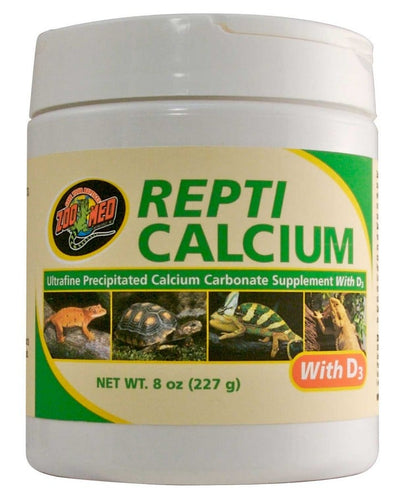
  • Dust insects with calcium with D3 on some feedings and a multivitamin less often.
5

Breeding & handling

Breeding

These frogs breed readily in warm water, which is part of the invasion risk. This sheet does not describe a breeding program. Never move eggs, tadpoles, or adults outdoors.

Handling your new pet

  • Handle only when needed.
  • Wet, clean hands: keep fingers away from your eyes until you have washed.
  • Their secretions can sting mucous membranes.
6

Health & setup

Common health issues

  • Watch for shedding problems: cloudy eyes, weight loss, and red or dull skin, often from poor water or stale air.
  • Use a veterinarian familiar with amphibians.
  • Never release a sick or unwanted Cuban tree frog.

Quick setup checklist

  • Read the California legal note. Never release or allow this frog to escape.
  • Tight-lidded tall enclosure, 18×18×24 in minimum.
  • 75–85°F by day, dechlorinated water dish, regular misting, good airflow.
  • Gut-loaded insects with calcium; house alone.
  • Wash your hands after any contact; secretions can irritate eyes.
  • Check the lid and cable holes for escape gaps.

Shop the setup

Supporting Sources

The Painted Reptile · 18730 Oxnard St., Unit 215, Tarzana, CA 91356 · 818-654-9441 This care sheet is a general guide. Every animal is an individual, so watch yours closely and see a reptile veterinarian with any health concerns.
Just added to your wishlist:
My Wishlist
You've just added this product to the cart:
Go to cart page