The Painted Reptile
Northern Blue-Tongued Skink – Quick Care OverviewNorthern Blue-Tongued Skink Care Sheet – Full DetailsThe Painted Reptile · Reptile supplies, care & advice
18730 Oxnard St., Unit 215, Tarzana, CA 91356
818-654-9441 · paintedreptile.com
Painted Reptile Care Sheet

Northern Blue-Tongued Skink

Tiliqua scincoides(White, 1790)

Also called: Northern blue-tongue, common blue-tongued skink, BTS (Tiliqua scincoides intermedia)

Group Reptile · LizardFamily ScincidaeWild status Least Concern (IUCN) · CITES III (Australia)
Last reviewed November 2026
Photo coming soon

Quick facts

PR Keeper Level · care difficulty
3/10Beginner
1 · Hardy & forgiving10 · Experts only
1–2 Very easy · 3–4 Beginner · 5–6 Intermediate · 7–8 Advanced · 9–10 Expert
PR Handler Level · temperament
Green – Calm & easygoing
Captive-bred northerns are usually very tame; support the whole body and watch for a warning hiss
Green: Calm & easygoing Yellow: Squirmy or flighty Red: Known to be aggressive
Adult size
18–24 in.
Lifespan
15–20 yrs (35+ reported)
Temperature
Basking 105–115°F
Cool side 70–80°F · night 65–75°F
Humidity
40–60%
Humid hide for sheds
Diet
Omnivore
Protein + veg, some fruit
Enclosure
4×2×2 ft min · 6×2×2 better
Floor space over height
Active
Diurnal · ground-dwelling
Temperament
Curious, calm, food-driven

A big, chunky lizard from northern Australia, famous for its bright blue tongue. Captive-bred northerns are curious, tame and eat a wide, simple diet – one of the best ‘next step’ lizards after a gecko or bearded dragon.

Key care at a glance

  • HousingAt least a 48×24×24 in. enclosure; ReptiFiles now recommends about 12 sq ft (for example 6×2×2 ft). One skink per enclosure.
  • HeatHot basking spot – about 105–115°F for northerns – with a cool side of 70–80°F and nights of 65–75°F.
  • UVBT5 HO UVB (5.0–6%, or 10–12% at a greater distance) about 12 hours a day.
  • HumidityAbout 40–60%, with a humid hide during sheds. Fresh water in a shallow dish.
  • DietAdults about half protein, half plants (vegetables, greens, a little fruit). Juveniles need more protein.
  • FeedingJuveniles about 3 times a week; adults 1–2 times a week. Don’t overfeed.
  • HandlingScoop from below and support the whole body. Most captive-bred northerns settle quickly.

Quick setup checklist

  • 48×24×24 in. or larger enclosure (6×2×2 ft ideal)
  • Halogen basking bulb + dimmer/thermostat
  • T5 HO UVB + fixture
  • Temperature gun + thermometer/hygrometer
  • 4–6 in. diggable substrate
  • Warm, cool and humid hides + flat basking stone
  • Shallow water dish
  • Protein foods, vegetables and greens
  • Calcium and multivitamin
Want every detail? Natural history, breeding, health and more are in the full care sheet. Open full details

Supporting Sources: ReptiFiles · PetMD · RSPCA · Animal Diversity Web · The Reptile Database · CITES status · full list in Full details · full list on the full care sheet

The Painted Reptile · 18730 Oxnard St., Unit 215, Tarzana, CA 91356 · 818-654-9441 This care sheet is a general guide. Every animal is an individual, so watch yours closely and see a reptile veterinarian with any health concerns.
1

About the species

Species background & natural history

The species was described in 1790 by John White, surgeon-general of the early British colony in New South Wales. The ‘northern’ blue-tongue sold in the US is the subspecies T. s. intermedia; the ‘eastern’ is T. s. scincoides. Several other blue-tongue species and Indonesian forms are also sold as ‘blue-tongued skinks’, so ask which type you are buying.

Northerns in the US come from many generations of captive breeding – one reason they are known for being so tame.

Wild status: Least Concern on the IUCN Red List. Since June 2022, T. scincoides has been on CITES Appendix III at Australia’s request.

Physical description

A stout, short-legged skink with a big triangular head, smooth glossy scales and a broad blue tongue it flashes when threatened.

  • Size: northerns grow up to about 24 in. (60 cm) – the largest and heaviest blue-tongue. Most species are 15–24 in.
  • Pattern: tan to gray with darker bands; northerns have yellow or orange oval patches along the sides and lack the dark stripe behind the eye seen in easterns.
  • Tongue display: it opens its mouth, hisses and flashes the tongue to scare predators.
  • Birth: females give birth to live young.

Distribution

Tiliqua scincoides ranges across northern and eastern Australia; the northern subspecies lives across northern Australia.

Northerns live in a wide range of habitats – coastal heath, forest, woodland, grassland and even suburban gardens. They forage by day for snails, insects, flowers, fruit and almost anything else they find.

Lifespan

About 15–20 years on average, and some have lived past 30–35. Plan for a long-term companion.

2

Housing

Caging

  • Minimum: 48×24×24 in. (4×2×2 ft). ReptiFiles now asks for at least 12 square feet, such as 6×2×2 ft; the RSPCA minimum is 120×60×60 cm.
  • Height: 18–24 in. is enough – they don’t climb much – but at least 24 in. if lights are mounted inside.
  • Type: PVC or wooden enclosures hold heat well; glass tanks work for juveniles.
  • Housing: one skink per enclosure – blue-tongues can fight.

Cage decor & substrate

  • Substrate: 4–6 in. of a diggable soil/sand mix, cypress mulch or coco-based mixes – they love to burrow.
  • Hides: at least two – warm and cool – plus a humid hide with damp moss.
  • Basking: a flat stone or slate under the heat lamp.
  • Enrichment: logs, cork, low climbing items and changes to the layout.
  • Water dish: shallow and sturdy.
3

Heat, light & humidity

Temperature needs

  • Basking surface: 105–115°F for northerns (ReptiFiles); about 100–105°F suits many other blue-tongues.
  • Cool side: 70–80°F.
  • Night: 65–75°F. A nightly drop is healthy; add lightless heat only if your room gets colder.
  • Check with a temperature gun and digital probes.

Heating & lighting

  • Heat: halogen flood bulbs on a dimmer or thermostat, kept so the skink can’t get closer than about 10 in.
  • UVB: a T5 HO tube about half the enclosure length – 5.0/6% closer in, or 10–12% from farther away – about 12 hours a day.
  • Replace UVB on schedule (ReptiFiles: every 12 months for T5 HO).

Humidity & water

  • Humidity: about 40–60% for northerns (RSPCA 30–45%, depending on species).
  • How: mix water into the lower substrate and mist lightly; keep ventilation good.
  • Humid hide with damp sphagnum moss helps with sheds.
  • Water: fresh daily in a shallow dish.
4

Feeding & supplements

Diet & feeding

  • Protein: roaches, superworms, snails, hornworms, earthworms, lean cooked meat or egg, and occasional high-quality canned dog or cat food. Juveniles need more protein than adults.
  • Vegetables and greens: collard, mustard and dandelion greens, squash, green beans, okra, carrot.
  • Fruit and flowers: berries, hibiscus and similar – a smaller share.
  • Avoid: avocado, rhubarb, citrus, lettuce and spinach.
  • Schedule: juveniles about 3 times a week; adults 1–2 times a week.

Supplements

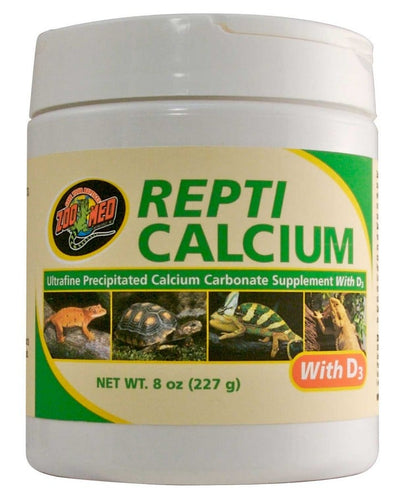
  • Calcium: dust most meals lightly with calcium powder.
  • Multivitamin: about once a week or as your vet advises.
  • Gut-load feeder insects for 2–3 days before feeding.
5

Breeding & handling

Breeding

  • Live-bearing: females give birth to live young – often about 10–15 per litter.
  • Babies: are independent at birth and must be separated soon after.
  • Pairing: introduce adults only for breeding and supervise closely.
  • Breeding is best left to experienced keepers.

Handling your new pet

  • Settling in: give a new skink a week or two before regular handling.
  • How: approach from the side and scoop from underneath, supporting the chest and hips.
  • Body language: hissing, puffing up and tongue-flashing mean ‘back off’.
  • Wild-caught or imported skinks (often Indonesian) can be much more defensive than captive-bred northerns.
  • Wash hands before and after – reptiles can carry Salmonella.
6

Health & setup

Common health issues

  • Obesity: common – skinks are enthusiastic eaters.
  • Metabolic bone disease: from low calcium or UVB.
  • Stuck shed: especially on toes and tail tip – raise humidity.
  • Respiratory infection: from cold or overly damp conditions.
  • Vet care: get a fecal parasite check for any new skink and plan yearly vet visits.

Quick setup checklist

  • 48×24×24 in. or larger enclosure (6×2×2 ft ideal)
  • Halogen basking bulb + dimmer/thermostat
  • T5 HO UVB + fixture
  • Temperature gun + thermometer/hygrometer
  • 4–6 in. diggable substrate
  • Warm, cool and humid hides + flat basking stone
  • Shallow water dish
  • Protein foods, vegetables and greens
  • Calcium and multivitamin

Shop the setup

Supporting Sources

  • ReptiFiles – Blue tongue skink care guide (species, enclosure, heat/UVB/humidity, food, handling): reptifiles.com
  • PetMD (veterinarian-reviewed) – Blue-tongued skink: petmd.com
  • RSPCA – Blue-tongued skinks care sheet: rspca.org.uk
  • Animal Diversity Web (University of Michigan) – Tiliqua scincoides: animaldiversity.org
  • The Reptile Database – Tiliqua scincoides (taxonomy, subspecies, range): reptile-database.reptarium.cz
  • CITES status via Species+ (UNEP-WCMC); IUCN status via GBIF (Least Concern)
The Painted Reptile · 18730 Oxnard St., Unit 215, Tarzana, CA 91356 · 818-654-9441 This care sheet is a general guide. Every animal is an individual, so watch yours closely and see a reptile veterinarian with any health concerns.
Just added to your wishlist:
My Wishlist
You've just added this product to the cart:
Go to cart page