The Painted Reptile
Black Desert Hairy Scorpion – Quick Care OverviewBlack Desert Hairy Scorpion Care Sheet – Full DetailsThe Painted Reptile · Reptile supplies, care & advice
18730 Oxnard St., Unit 215, Tarzana, CA 91356
818-654-9441 · paintedreptile.com
Painted Reptile Care Sheet

Black Desert Hairy Scorpion

Hadrurus spadixStahnke, 1940

Also called: Black hairy scorpion

Group ScorpionFamily CaraboctonidaeWild status Not Evaluated (IUCN)
Last reviewed November 2026
Photo coming soon

Quick facts

PR Keeper Level · care difficulty
2/10Very easy
1 · Hardy & forgiving10 · Experts only
1–2 Very easy · 3–4 Beginner · 5–6 Intermediate · 7–8 Advanced · 9–10 Expert
PR Handler Level · temperament
Red – Known to be aggressive
Do not handle — a painful sting and strong pincers; move with a cup or long tongs, never by hand
Green: Calm & easygoing Yellow: Squirmy or flighty Red: Known to be aggressive
Adult size
A large North American scorpion, often about 4–6 in, similar in size to the desert hairy already on the site
Lifespan
Long-lived in good care; females may reach well over a decade, similar to H. arizonensis
Temperature
About 75–85°F, with a modest night drop
A side-mounted heat pad if the room is cool; never a heat mat under the tank
Humidity
Dry surface, with a slightly damp lower layer only
A shallow water dish; do not keep the cage soaking wet
Diet
Carnivore (insects)
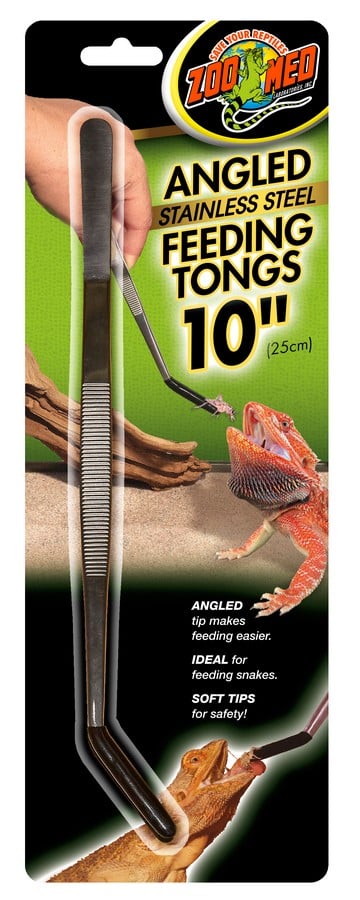
Gut-loaded crickets or dubia roaches, offered with long tongs
Enclosure
A 2.5–5 gallon terrestrial cage for one adult, longer than tall, with a secure lid
Deep, packable dry substrate they can burrow into; one scorpion is the default
Active
Night (nocturnal) · burrower
Temperament
Defensive display animal; not a handling pet

A large, dark North American burrowing scorpion, also called the black hairy scorpion. It is distinct from the desert hairy scorpion (Hadrurus arizonensis) already on the site, which is the species of Arizona and southeastern California. H. spadix is the darker, more northerly / Great Basin species. Care is a secure, dry burrowing cage, modest warmth, and insect meals offered with tongs. It is a hardy display animal — the sting hurts and it should never be handled.

Key care at a glance

  • Distinct from the desert hairy already on the site (H. arizonensis).
  • A dry burrowerdeep substrate, a shallow water dish, and a tight lid.
  • Display onlya painful sting and strong pincers; move it with a cup or tongs.
  • No UVB product is required; a short-use LED scorpion light is optional for viewing.

Quick setup checklist

  • Secure, longer-than-tall cage with a tight lid
  • Deep dry burrowing substrate and a shallow water dish
  • Side heat only if the room is cool — never a mat under the tank
  • Gut-loaded insects offered with long tongs
  • No handling; cup or tongs only
Want every detail? Natural history, breeding, health and more are in the full care sheet. Open full details

Supporting Sources: The Scorpion Files · IUCN Red List · CITES Appendices, valid 5 March 2026 · The Painted Reptile — Desert Hairy Scorpion Care Sheet · full list in Full details · full list on the full care sheet

The Painted Reptile · 18730 Oxnard St., Unit 215, Tarzana, CA 91356 · 818-654-9441 This care sheet is a general guide. Every animal is an individual, so watch yours closely and see a reptile veterinarian with any health concerns.
1

About the species

Species background & natural history

The black desert hairy scorpion (Hadrurus spadix Stahnke, 1940) is a large caraboctonid of the Great Basin and nearby northern deserts. It is often nearly black or very dark brown, which is the simplest field difference from the paler desert hairy scorpion already on the site. Both are stout burrowers with a hairy appearance to the body. This sheet is for H. spadix, not for H. arizonensis.

Physical description

Adults are often about 4–6 inches, similar in size to H. arizonensis. The body is typically much darker — black or very dark brown — rather than the yellow-tan of the desert hairy already on the site. Like other hairy scorpions, it has a heavy body, strong pincers, and a thick tail. It is a burrower and spends much of the day in a retreat it has dug.

Distribution

A more northerly / Great Basin species, not the Arizona and southeastern California species already sheeted as the desert hairy scorpion. Confirm the scientific name when you buy; the two are sometimes mixed in the trade. Never release one outdoors, including in California or anywhere else.

Lifespan

These are long-lived scorpions in a clean, correctly set-up enclosure. Published species-specific maxima are thinner than for H. arizonensis (which may reach 15–20 years in females); treat a well-kept H. spadix as a long-term animal, not a short-lived insect.

2

Housing

Caging

  • One adult: a 2.5–5 gallon terrestrial cage, longer than tall, with a tight, escape-proof lid.
  • Deep, packable substrate they can burrow into; a hide is useful until the burrow is established.
  • A shallow, heavy water dish they can reach without soaking the whole cage.
  • House alone as the default — do not keep a group in one box.

Cage decor & substrate

  • Keep décor simple so you can see the animal before you open the cage.
  • A piece of bark or a half-log hide is enough; they will usually dig their own burrow.
3

Heat, light & humidity

Temperature needs

  • About 75–85°F by day, with a modest night drop, is a practical target.
  • If the room is cool, use a heat pad on the side of the tank, always on a thermostat.
  • Never put a heat mat under the tank — a burrower can dig down into the heat and be burned.

Heating & lighting

  • No bright basking lamps and no UVB product. Normal room light on a day–night cycle is enough.
  • A low-output UV or LED scorpion viewing light may be used briefly to see it fluoresce, not as a constant light and not as an excuse to open the cage and hunt the animal with your hands.

Humidity & water

  • Keep the surface dry, with only a slightly damp lower layer if the substrate would otherwise be bone-dry dust.
  • A shallow water dish is required; do not leave the cage soaking wet.
4

Feeding & supplements

Diet & feeding

  • Gut-loaded crickets or dubia roaches, sized to the scorpion, offered with long tongs.
  • Feed adults every several days to about weekly, and remove uneaten prey.
  • Never hand-feed.

Supplements

No special vitamin powder is required. Gut-loaded insects are enough.

5

Breeding & handling

Breeding

Not covered in detail here. This is a solitary display animal; do not house a pair together except under a deliberate, experienced breeding plan, and never as a casual group.

Handling your new pet

  • Do not free-handle. The sting is painful and the pincers are strong.
  • Move the animal with a cup and a soft brush, or with long tongs, and only when you need to.
  • This is a display animal, not a pet you hold.
6

Health & setup

Common health issues

  • A wet, stuffy cage is a common cause of trouble. Keep the surface dry and the lid secure.
  • Do not use oily decorations or pesticide-treated wood.
  • If the scorpion is thin, refuses food for a long stretch, or has an obvious injury, ask a veterinarian who sees invertebrates.

Quick setup checklist

  • Secure, longer-than-tall cage with a tight lid
  • Deep dry burrowing substrate and a shallow water dish
  • Side heat only if the room is cool — never a mat under the tank
  • Gut-loaded insects offered with long tongs
  • No handling; cup or tongs only

Shop the setup

Supporting Sources

The Painted Reptile · 18730 Oxnard St., Unit 215, Tarzana, CA 91356 · 818-654-9441 This care sheet is a general guide. Every animal is an individual, so watch yours closely and see a reptile veterinarian with any health concerns.
Just added to your wishlist:
My Wishlist
You've just added this product to the cart:
Go to cart page