The Painted Reptile
Asian Brown Tortoise – Quick Care OverviewAsian Brown Tortoise Care Sheet – Full DetailsThe Painted Reptile · Reptile supplies, care & advice
18730 Oxnard St., Unit 215, Tarzana, CA 91356
818-654-9441 · paintedreptile.com
Painted Reptile Care Sheet

Asian Brown Tortoise

Manouria emys(Schlegel and Müller, 1840)

Also called: Burmese brown tortoise, Asian forest tortoise, Burmese mountain tortoise, Asian giant tortoise

Group TortoiseFamily TestudinidaeWild status Critically Endangered (IUCN)
Last reviewed November 2026
Photo coming soon

Quick facts

PR Keeper Level · care difficulty
7/10Advanced
1 · Hardy & forgiving10 · Experts only
1–2 Very easy · 3–4 Beginner · 5–6 Intermediate · 7–8 Advanced · 9–10 Expert
PR Handler Level · temperament
Green – Calm & easygoing
Usually calm, but very large and heavy; keep handling short, and do not lift an adult casually
Green: Calm & easygoing Yellow: Squirmy or flighty Red: Known to be aggressive
Adult size
About 16–24 in (40–60 cm); M. e. phayrei is often the larger subspecies
Lifespan
Often 50+ years in a cool, humid, very large forest-style setup
Temperature
Basking spot about 82–88°F · ambient the mid to upper 70s°F; avoid overheating
A large, humid, forest-floor setup with Zoo Med UVB and modest heat, not a desert sulcata table
Humidity
70–90%
A moist forest floor, leaf litter, and regular rain or spraying; this is not a dry-country tortoise
Diet
Omnivore
Broad forest fare: greens, fungi, fruit, and some animal protein, not a grass-only diet
Enclosure
A very large indoor pen, about 8×4 ft or more, or a humid outdoor enclosure; not a standard 4×2 table
Cool, moist, spacious, and secure; plan for a large, heavy adult from the start
Active
Diurnal; often most active in cool, humid, overcast conditions
Temperament
A usually calm, heavy forest tortoise; more of a specialist exhibit animal than a starter pet

A large Asian forest tortoise, also called the Asian giant or Burmese brown tortoise. Two subspecies, emys and phayrei, appear in the hobby. It wants a cool, humid, very large setup, not a dry sulcata table, and it is a specialist, not a starter tortoise.

Key care at a glance

  • HousingA very large indoor pen (about 8×4 ft or more) or a humid outdoor enclosure; not a 4×2 table.
  • Heat and lightModest heat, a basking spot about 82–88°F, and Zoo Med UVB; avoid overheating.
  • HumidityA moist forest floor, about 70–90%, with leaf litter and regular spraying.
  • DietGreens, fungi, fruit, and some animal protein; not a grass-only diet.
  • Identity and legalTwo subspecies in the hobby. IUCN Critically Endangered; CITES II. 4-inch rule applies to hatchling sales; no permit how-to.

Quick setup checklist

  • A very large, humid, cool forest-style pen, not a 4×2 desert table
  • Basking about 82–88°F and Zoo Med UVB; avoid overheating
  • Moist forest floor, 70–90% humidity
  • Broad forest diet, not grass-only
  • IUCN Critically Endangered; CITES II
  • 4-inch rule applies to hatchling sales; no permit how-to
Want every detail? Natural history, breeding, health and more are in the full care sheet. Open full details

Supporting Sources: Reptile Database — Manouria emys · IUCN Red List — Manouria emys · CITES Appendices I, II and III · full list in Full details · full list on the full care sheet

The Painted Reptile · 18730 Oxnard St., Unit 215, Tarzana, CA 91356 · 818-654-9441 This care sheet is a general guide. Every animal is an individual, so watch yours closely and see a reptile veterinarian with any health concerns.
1

About the species

Species background & natural history

Manouria emys was named by Schlegel and Müller in 1840. It is the largest Asian tortoise. Two subspecies appear in the hobby: M. e. emys and M. e. phayrei (often the larger, sometimes called the Burmese mountain tortoise). The IUCN Red List lists the species as Critically Endangered A2cd+4cd (2018/2019, decreasing) under the English name Asian Giant Tortoise. It is on CITES Appendix II (appendices valid 5 March 2026). US federal rule: live turtles and viable turtle eggs with a carapace length of less than 4 inches shall not be sold, held for sale, or offered for commercial or public distribution as pets (21 CFR 1240.62, text opened 21 November 2026). This affects hatchling sales. The regulation’s listed exceptions are for bona fide scientific, educational, or exhibitional purposes, not as pets; this sheet does not give permit advice. Never release.

Physical description

Adults commonly reach about 16–24 in (40–60 cm), with a brown, relatively flattened shell and heavy build. This is a humid-forest tortoise, not a desert grazer, and adults need room and modest temperatures, not a hot, dry table.

Distribution

Forests of mainland and island Southeast Asia, depending on subspecies, including parts of Myanmar, Thailand, Malaysia, Sumatra, and nearby regions. Never release.

Lifespan

Fifty years or more is a reasonable plan in a cool, humid, spacious setup with a varied forest diet.

2

Housing

Caging

  • A very large indoor pen, about 8×4 ft or more, or a humid outdoor enclosure, is the adult plan; this is not a standard 4×2 table species.
  • Plan for a large, heavy adult from the start.

Cage decor & substrate

  • A deep, moist forest-floor substrate, leaf litter, a hide, and a large shallow water area.
  • Keep the cage humid without leaving the animal sitting in foul, stagnant water.
3

Heat, light & humidity

Temperature needs

  • A modest basking spot about 82–88°F (28–31°C), with ambient temperatures in the mid to upper 70s°F (about 24–26°C). Avoid the hot, dry ranges used for sulcatas.

Heating & lighting

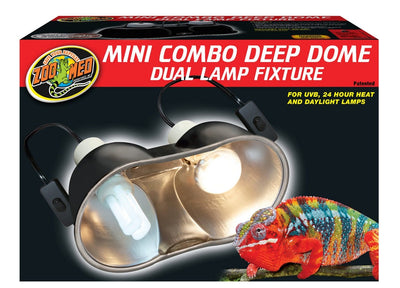
  • A Zoo Med T5 UVB hood (or equivalent Zoo Med UVB) plus a modest Zoo Med basking lamp is the lighting plan on this draft.
  • An RBI radiant heat panel or an Exo Terra ceramic can hold ambient heat without overheating the air.

Humidity & water

  • Keep a moist forest floor, about 70–90% humidity, with regular spraying or rain.
  • Provide a large shallow water tray; this is not a dry-country tortoise.
4

Feeding & supplements

Diet & feeding

  • A broad forest diet: leafy greens, fungi, some fruit, and occasional animal protein such as earthworms.
  • This is not a grass-only grazer and not a fruit-only pet.

Supplements

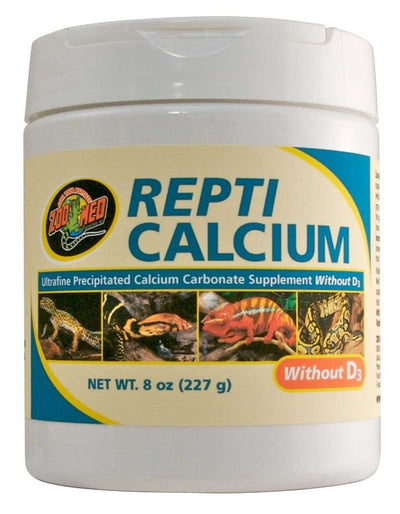
  • A light dusting of calcium without D3 on food, with UVB provided, plus a modest multivitamin on a schedule.
5

Breeding & handling

Breeding

A specialist project; this species is known for unusual nest-guarding behavior. This draft does not give a breeding recipe.

Handling your new pet

  • Usually calm, but adults are very heavy.
  • Do not lift an adult casually; keep any handling short and close to the ground.
6

Health & setup

Common health issues

  • Watch for overheating, a runny nose, and shell or skin problems in a fouled, too-wet setup.
  • See a reptile veterinarian early if the tortoise stops eating or loses weight.

Quick setup checklist

  • A very large, humid, cool forest-style pen, not a 4×2 desert table
  • Basking about 82–88°F and Zoo Med UVB; avoid overheating
  • Moist forest floor, 70–90% humidity
  • Broad forest diet, not grass-only
  • IUCN Critically Endangered; CITES II
  • 4-inch rule applies to hatchling sales; no permit how-to

Shop the setup

Supporting Sources

The Painted Reptile · 18730 Oxnard St., Unit 215, Tarzana, CA 91356 · 818-654-9441 This care sheet is a general guide. Every animal is an individual, so watch yours closely and see a reptile veterinarian with any health concerns.
Just added to your wishlist:
My Wishlist
You've just added this product to the cart:
Go to cart page