The Painted Reptile
Anthony's Poison Frog – Quick Care OverviewAnthony's Poison Frog Care Sheet – Full DetailsThe Painted Reptile · Reptile supplies, care & advice
18730 Oxnard St., Unit 215, Tarzana, CA 91356
818-654-9441 · paintedreptile.com
Painted Reptile Care Sheet

Anthony's Poison Frog

Epipedobates anthonyi(Noble, 1921)

Also called: Anthony's poison dart frog

Group FrogFamily DendrobatidaeWild status Near Threatened (IUCN)
Last reviewed November 2026
Photo coming soon

Quick facts

PR Keeper Level · care difficulty
4/10Beginner
1 · Hardy & forgiving10 · Experts only
1–2 Very easy · 3–4 Beginner · 5–6 Intermediate · 7–8 Advanced · 9–10 Expert
PR Handler Level · temperament
Red – Known to be aggressive
A look-don't-touch frog — delicate, porous skin; use a cup or wet nitrile gloves if it must be moved
Green: Calm & easygoing Yellow: Squirmy or flighty Red: Known to be aggressive
Adult size
About 0.75–1.1 in (19–28 mm)
Lifespan
Often 8–12+ years in a planted, well-drained, correctly cooled dart-frog setup
Temperature
About 70–78°F; do not keep it warm
Avoid long spells above about 80–82°F; this is a modest-temperature dart frog, not a desert animal
Humidity
70–100%
Mist daily, with good drainage; never a soaked, stagnant box
Diet
Insectivore (tiny prey)
Fruit flies, springtails, and other small, gut-loaded insects, lightly supplemented
Enclosure
A planted, well-drained 18×18×18 in (or similar) vivarium for a small compatible group
A tight lid, live plants, and a moist, drained floor; these frogs are small and can escape through tiny gaps
Active
Diurnal, on the forest floor and in low plants
Temperament
An active, watch-me dart frog, not a holding frog

A widely bred beginner dart frog from southwestern Ecuador and adjacent Peru, often sold as Anthony’s poison dart frog. It wants a planted, well-drained, modest-temperature vivarium and tiny insects, not a handling pet and not a warm, dry cage. It is distinct from Epipedobates tricolor and from the Dendrobates, Oophaga, and Phyllobates already on the site.

Key care at a glance

  • HousingA planted, well-drained 18×18×18 in (or similar) vivarium for a small compatible group, with a tight lid.
  • Heat and lightAbout 70–78°F; do not keep it warm. A Zoo Med Reptisun 5.0 compact is included as on the live dart-frog sheets.
  • HumidityHigh, with a daily mist and good drainage.
  • DietFruit flies and other tiny, gut-loaded insects, lightly supplemented.
  • Identity and legalIUCN Near Threatened; CITES II (Epipedobates spp.). Distinct from E. tricolor. No permit how-to.

Quick setup checklist

  • A planted, well-drained 18×18×18 (or similar) vivarium with a tight lid
  • About 70–78°F; do not keep it warm
  • Daily misting and good drainage
  • Fruit flies and other tiny insects, lightly supplemented
  • IUCN Near Threatened; CITES II (Epipedobates spp.)
  • A look-don't-touch frog; no permit how-to
Want every detail? Natural history, breeding, health and more are in the full care sheet. Open full details

Supporting Sources: AmphibiaWeb — Epipedobates anthonyi · IUCN Red List — Epipedobates anthonyi · CITES Appendices I, II and III · full list in Full details · full list on the full care sheet

The Painted Reptile · 18730 Oxnard St., Unit 215, Tarzana, CA 91356 · 818-654-9441 This care sheet is a general guide. Every animal is an individual, so watch yours closely and see a reptile veterinarian with any health concerns.
1

About the species

Species background & natural history

Epipedobates anthonyi was named by Noble in 1921. It is a small poison frog of southwestern Ecuador and adjacent Peru, widely bred in the hobby and often recommended as a first dart frog. It is distinct from the closely related Epipedobates tricolor, and it is not a Dendrobates, Oophaga, or Phyllobates. Captive-bred animals are the only ethical source for the pet trade. Like other dart frogs, it is a watch-me animal with delicate, porous skin, not a frog to hold.

Physical description

Adults are typically only about 0.75–1.1 in (19–28 mm), often reddish, orange, or bronze with pale stripes. This is a small terrestrial dart frog, not a large tree frog.

Distribution

Southwestern Ecuador and adjacent northwestern Peru, in dry to moist forest and nearby disturbed habitat. Never release.

Lifespan

Eight to twelve years or more is a reasonable plan in a planted, well-drained, correctly cooled setup, on a steady tiny-insect diet.

2

Housing

Caging

  • A planted, well-drained 18×18×18 in (or similar) vivarium is a sensible home for a small compatible group.
  • Use a tight, ventilated lid; these frogs are small and can escape through tiny gaps.

Cage decor & substrate

  • Live plants, leaf litter, moss, hides, and a shallow water film or tiny pool, with a drained floor.
  • Avoid a bare, dry, or stagnant box.
3

Heat, light & humidity

Temperature needs

  • About 70–78°F (21–26°C); avoid long spells above about 80–82°F (27–28°C).

Heating & lighting

  • A normal day–night cycle and modest temperatures are the plan; do not add a hot basking lamp.
  • A Zoo Med Reptisun 5.0 compact is included as on the live dart-frog sheets; UVB is a supplement to good diet and temperatures, not a reason to overheat the cage.

Humidity & water

  • Keep humidity high, about 70–100%, with a daily mist and good drainage.
  • Never leave a soaked, stagnant box. Use dechlorinated water.
4

Feeding & supplements

Diet & feeding

  • Fruit flies, springtails, and other tiny, gut-loaded insects are the staple.
  • This species cannot take large crickets; keep prey appropriately small.

Supplements

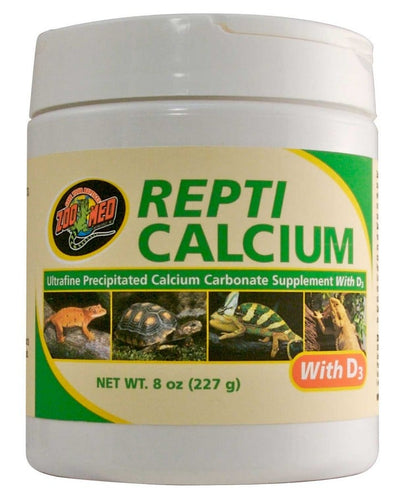
  • A light dusting of calcium with D3, plus a modest multivitamin on a schedule.
5

Breeding & handling

Breeding

A specialist project, and the species is CITES II. This draft does not give a breeding recipe.

Handling your new pet

  • A look-don't-touch frog, with delicate, porous skin.
  • If it must be moved, use a cup or wet nitrile gloves, and wash your hands after.
6

Health & setup

Common health issues

  • Watch for overheating, weight loss, and skin or wasting problems in a fouled or too-dry setup.
  • See a reptile or amphibian veterinarian early if the frog stops eating or looks thin.

Quick setup checklist

  • A planted, well-drained 18×18×18 (or similar) vivarium with a tight lid
  • About 70–78°F; do not keep it warm
  • Daily misting and good drainage
  • Fruit flies and other tiny insects, lightly supplemented
  • IUCN Near Threatened; CITES II (Epipedobates spp.)
  • A look-don't-touch frog; no permit how-to

Shop the setup

Supporting Sources

The Painted Reptile · 18730 Oxnard St., Unit 215, Tarzana, CA 91356 · 818-654-9441 This care sheet is a general guide. Every animal is an individual, so watch yours closely and see a reptile veterinarian with any health concerns.
Just added to your wishlist:
My Wishlist
You've just added this product to the cart:
Go to cart page