The Painted Reptile
American Bullfrog – Quick Care OverviewAmerican Bullfrog Care Sheet – Full DetailsThe Painted Reptile · Reptile supplies, care & advice
18730 Oxnard St., Unit 215, Tarzana, CA 91356
818-654-9441 · paintedreptile.com
Painted Reptile Care Sheet

American Bullfrog

Lithobates catesbeianus(Shaw, 1802)

Also called: Bullfrog

Group Amphibian · FrogFamily RanidaeWild status IUCN: current combination Aquarana catesbeianus (2024 assessment T58565A202022987); official category was not readable from the script-rendered Red List page this round. Not CITES-listed (appendices valid 5 March 2026). Invasive and widely established in California.
Last reviewed November 2026
Photo coming soon

Quick facts

PR Keeper Level · care difficulty
4/10Beginner
1 · Hardy & forgiving10 · Experts only
1–2 Very easy · 3–4 Beginner · 5–6 Intermediate · 7–8 Advanced · 9–10 Expert
PR Handler Level · temperament
Yellow – Squirmy or flighty
A large frog with a strong bite and slimy, delicate skin. Handle only when needed, with wet, clean hands or a net; do not squeeze.
Green: Calm & easygoing Yellow: Squirmy or flighty Red: Known to be aggressive
Adult size
Body often 6–8 in, larger in big females; a very large frog.
Lifespan
Often 8–10 years, sometimes longer.
Temperature
Water and air about 68–78°F; avoid chronic heat above the low 80s
Cool, clean water matters more than a basking lamp.
Humidity
Land area kept moist; water quality is the main concern
A large, clean water area with a damp land haul-out.
Diet
Carnivore
Large insects, earthworms, and other appropriate prey; adults eat a lot.
Enclosure
A 75-gallon aquarium or equivalent is a practical minimum for one adult
Mostly water, with a stable land haul-out and a tight, weighted lid.
Active
Mostly nocturnal; will sit in water by day.
Temperament
Bold and predatory. Not a cuddly frog.

California legal note: The Painted Reptile is a California store, so we post California rules first and most transparently. American bullfrog (Lithobates catesbeianus) is not listed on California’s restricted-species list in 14 CCR § 671. It is widely established as an invasive species in California, where it preys on and competes with native amphibians, turtles, and other wildlife. 14 CCR § 5.05(b)(23) allows sport take of American bullfrogs with no bag limit under a sportfishing license, with the other restrictions in that section; that is a sport-fishing rule, not a pet-trade or stocking rule. A captive bullfrog must never be released, abandoned, or used to stock a pond. Releasing an invasive amphibian can harm native wildlife and California waters. This page is a care guide. It is not legal advice, and it does not explain how to obtain any authorization. Other states and countries have their own laws.

The American bullfrog is a very large, green or brown, fully predatory frog native to the eastern United States and now established across much of the West, including California. In a home it needs a big, clean, mostly aquatic setup, a secure lid, and a serious feeding plan. This sheet is a husbandry guide for an animal already lawfully held, not a stocking or collecting guide.

Key care at a glance

  • Invasive and widely established in California; not listed on 14 CCR § 671; never release or stock a pond.
  • A large, long-lived frogplan on a 75-gallon aquarium or larger, mostly water, with a haul-out and a tight lid.
  • Cool, clean, dechlorinated water; this animal dirties a tank quickly.
  • A heavy diet of large insects and worms; do not offer wildlife from the backyard.
  • Handle only when needed; they can bite and jump.
  • Do not move this frog between waters or use it to 'start' a pond.

Quick setup checklist

  • Read the California legal note. Never release or stock this frog.
  • 75-gallon aquarium or larger, mostly water, with a haul-out and a tight lid.
  • Dechlorinated, filtered, frequently changed water around 68–78°F.
  • Large gut-loaded insects and worms; no backyard wildlife as food.
  • Do not house with smaller animals.
  • Handle only when needed.
Want every detail? Natural history, breeding, health and more are in the full care sheet. Open full details

Supporting Sources: https://www.law.cornell.edu/regulations/california/14-CCR-671 · https://www.law.cornell.edu/regulations/california/14-CCR-5.05 · https://www.iucnredlist.org/species/58565/202022987 · full list in Full details · full list on the full care sheet

The Painted Reptile · 18730 Oxnard St., Unit 215, Tarzana, CA 91356 · 818-654-9441 This care sheet is a general guide. Every animal is an individual, so watch yours closely and see a reptile veterinarian with any health concerns.
1

About the species

Species background & natural history

California legal note: The Painted Reptile is a California store, so we post California rules first and most transparently. American bullfrog (Lithobates catesbeianus) is not listed on California’s restricted-species list in 14 CCR § 671. It is widely established as an invasive species in California, where it preys on and competes with native amphibians, turtles, and other wildlife. 14 CCR § 5.05(b)(23) allows sport take of American bullfrogs with no bag limit under a sportfishing license, with the other restrictions in that section; that is a sport-fishing rule, not a pet-trade or stocking rule. A captive bullfrog must never be released, abandoned, or used to stock a pond. Releasing an invasive amphibian can harm native wildlife and California waters. This page is a care guide. It is not legal advice, and it does not explain how to obtain any authorization. Other states and countries have their own laws. In captivity the work is water quality, space, and a secure lid. A child's wading pool in the yard is not an acceptable plan in California, because escape is a release.

Physical description

A massive, olive to brown frog with a fold of skin from the eye around a large eardrum, fully webbed hind feet, and a deep call in adult males. It is not an African bullfrog (Pyxicephalus) and should not be kept in a shallow, mostly dry pit.

Distribution

Native to the eastern and central United States; introduced and widely established in California and many other regions. That introduced range is the reason this page leads with never-release language.

Lifespan

Often 8–10 years in captivity, sometimes longer. A large adult is a long, messy commitment.

2

Housing

Caging

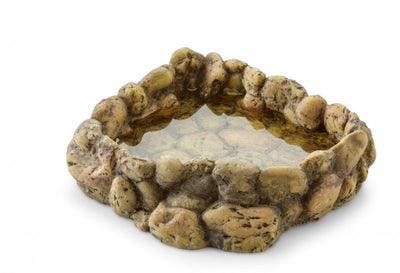
  • Plan on a 75-gallon tank or larger for one adult: mostly water 8–12 in deep or more, with a stable, dry or slightly sloping haul-out.
  • A heavy, tight lid is required: bullfrogs jump.
  • Filtration and frequent water changes are not optional.
  • Do not house with smaller frogs: fish you value, or turtles.

Cage decor & substrate

  • Smooth, stable haul-outs: no sharp plastic edges, and little that can be swallowed.
  • A turtle bank or a sloped rock that cannot fall is enough land.
  • Live plants will be uprooted: they are optional.
3

Heat, light & humidity

Temperature needs

  • Keep water and air around 68–78°F. Chronic temperatures in the mid-80s or higher are a stress.
  • In a warm Southern California room you may need no heater at all: and you may need to avoid a sun-baked tank.

Heating & lighting

  • No basking-hot desert lamp.
  • A regular day/night light cycle is enough.
  • If you heat at all: heat slowly and measure the water.
  • UVB is not the center of this setup the way it is for a desert lizard.

Humidity & water

  • Water quality is the husbandry.
  • Use dechlorinated water: a filter rated for a messy animal, and regular water changes.
  • The land area should stay moist, not bone dry.
  • Chlorinated tap water is not acceptable untreated.
4

Feeding & supplements

Diet & feeding

  • Feed large, gut-loaded insects: earthworms, and similar appropriate prey.
  • Adults eat a lot and can become obese.
  • Do not offer wild-caught vertebrates: and do not collect native wildlife as food.
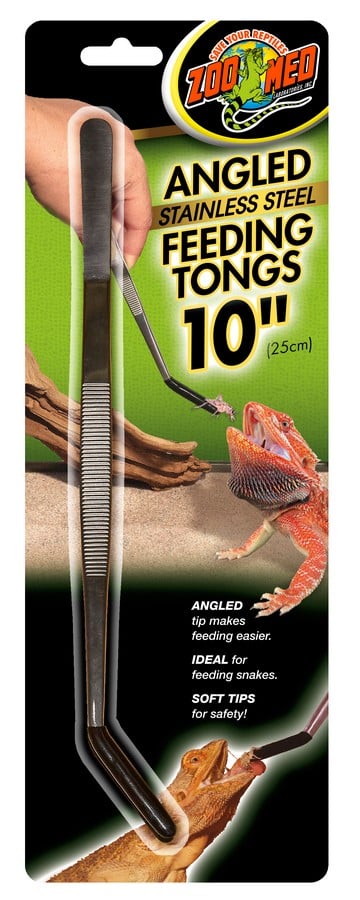
  • Tong-feed if the frog is a reckless gulper.

Supplements

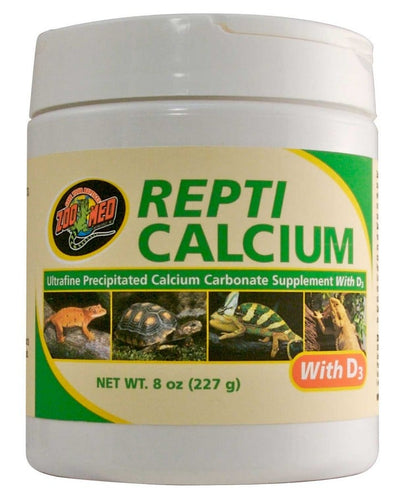
  • Dust insects with calcium (with D3 on some feedings) and a multivitamin less often.
5

Breeding & handling

Breeding

These frogs breed readily in large water bodies, which is part of why they are invasive. This sheet does not describe a breeding program. Never move tadpoles or adults into outdoor water.

Handling your new pet

  • Handle only when you must.
  • Wet, clean hands or a soft net: do not squeeze the body or let the frog jump to the floor.
  • Wash your hands well afterwards.
6

Health & setup

Common health issues

  • Watch for cloudy water: red legs, cloudy eyes, and sudden weight loss.
  • Poor water is the usual cause.
  • Use a veterinarian familiar with amphibians.
  • Never release a sick or oversized bullfrog 'back to the pond.'

Quick setup checklist

  • Read the California legal note. Never release or stock this frog.
  • 75-gallon aquarium or larger, mostly water, with a haul-out and a tight lid.
  • Dechlorinated, filtered, frequently changed water around 68–78°F.
  • Large gut-loaded insects and worms; no backyard wildlife as food.
  • Do not house with smaller animals.
  • Handle only when needed.

Shop the setup

Supporting Sources

The Painted Reptile · 18730 Oxnard St., Unit 215, Tarzana, CA 91356 · 818-654-9441 This care sheet is a general guide. Every animal is an individual, so watch yours closely and see a reptile veterinarian with any health concerns.
Just added to your wishlist:
My Wishlist
You've just added this product to the cart:
Go to cart page