The Painted Reptile
Amazon Tree Boa – Quick Care OverviewAmazon Tree Boa Care Sheet – Full DetailsThe Painted Reptile · Reptile supplies, care & advice
18730 Oxnard St., Unit 215, Tarzana, CA 91356
818-654-9441 · paintedreptile.com
Painted Reptile Care Sheet

Amazon Tree Boa

Corallus hortulana(Linnaeus, 1758)

Also called: Garden tree boa, hortulana tree boa

Group Snake · BoaFamily BoidaeWild status Least Concern (IUCN)
Last reviewed November 2026
Photo coming soon

Quick facts

PR Keeper Level · care difficulty
5/10Intermediate
1 · Hardy & forgiving10 · Experts only
1–2 Very easy · 3–4 Beginner · 5–6 Intermediate · 7–8 Advanced · 9–10 Expert
PR Handler Level · temperament
Yellow – Squirmy or flighty
Often a defensive, hook-and-hide display boa; not a frequent-handling pet
Green: Calm & easygoing Yellow: Squirmy or flighty Red: Known to be aggressive
Adult size
About 5–6.5 ft (1.5–2 m), with some larger
Lifespan
Often 15–20+ years in a tall, correctly humid cage
Temperature
Warm end mid 80s°F · cooler end mid 70s°F
A gentle tropical gradient; a mid-80s basking perch is enough
Humidity
60–80%
Regular misting with a dry-out, and a water bowl for soaking
Diet
Carnivore
Appropriately sized frozen-thawed rodents
Enclosure
A tall locking enclosure — about 4×2×3 ft as a sensible adult target
Height and sturdy branches matter; one boa is the default
Active
Nocturnal to crepuscular, arboreal
Temperament
Often defensive when approached; a look-don't-grab display snake for many keepers

A slender, often colorful South American tree boa, distinct from the more demanding emerald tree boa (Corallus caninus / batesii) already on the site. It still needs a tall, humid, locking cage and is often a display animal. IUCN Least Concern; CITES Appendix II (Boidae spp.).

Key care at a glance

  • HousingA tall locking enclosure (about 4×2×3 ft as a sensible adult target) with sturdy horizontal perches and hides. One boa per enclosure.
  • HeatA Zoo Med warm perch in the mid 80s°F, cooler end mid 70s°F. Full-spectrum UVB is optional; this draft does not require it.
  • HumidityAbout 60–80%, with regular misting, a daily dry-out, and a water bowl large enough to soak.
  • DietAppropriately sized frozen-thawed rodents. Do not use live prey as the routine.
  • Handling and legalOften hook-and-hide rather than a frequent-handling pet. CITES II (Boidae). Prefer captive-bred; no permit how-to. Not an emerald tree boa.

Quick setup checklist

  • A tall locking enclosure (about 4×2×3 ft as an adult target) with sturdy perches
  • A Zoo Med mid-80s perch and an Exo Terra ceramic option in a cold room
  • Humidity 60–80% with a soak bowl
  • Frozen-thawed rodents of the right size
  • Captive-bred paperwork (CITES II); not an emerald tree boa
Want every detail? Natural history, breeding, health and more are in the full care sheet. Open full details

Supporting Sources: Reptile Database — Corallus hortulana · IUCN Red List — Corallus hortulana · CITES Appendices I, II and III · full list in Full details · full list on the full care sheet

The Painted Reptile · 18730 Oxnard St., Unit 215, Tarzana, CA 91356 · 818-654-9441 This care sheet is a general guide. Every animal is an individual, so watch yours closely and see a reptile veterinarian with any health concerns.
1

About the species

Species background & natural history

Corallus hortulana was named by Linnaeus in 1758. The name is also seen as C. hortulanus. It is a widespread South American tree boa, distinct from the emerald tree boa already sheeted. IUCN lists it as Least Concern (confirmed 21 November 2026). Boidae spp. are listed on CITES Appendix II except species with higher listings (appendices valid 5 March 2026). Prefer captive-bred. This sheet does not give permit advice. Never release.

Physical description

Adults are typically about 5–6.5 ft (1.5–2 m), slender, with a large head, heat-sensing pits, and a strongly prehensile tail. Color is extremely variable — yellow, orange, red, brown, or patterned — which is why 'garden tree boa' is a common trade name.

Distribution

Much of tropical South America in forest and woodland, often near water. Never release.

Lifespan

Fifteen to twenty years or more is a reasonable plan in a tall, correctly humid cage with regular frozen-thawed meals.

2

Housing

Caging

  • A 4×2×3 ft locking enclosure: or similar volume with real height, is a sensible adult target.
  • Provide several sturdy horizontal perches: visual cover, and a hide.
  • One adult per enclosure.

Cage decor & substrate

  • Branches at different heights: plants or cover, coco fiber and moss, and a water bowl large enough to soak.
  • A dense planted look is better than a bare screen box.
3

Heat, light & humidity

Temperature needs

  • A warm perch in the mid 80s°F (about 29–31°C): with a cooler end in the mid 70s°F (about 23–25°C). Night can stay in the mid-to-high 70s°F.
  • Measure the perch.

Heating & lighting

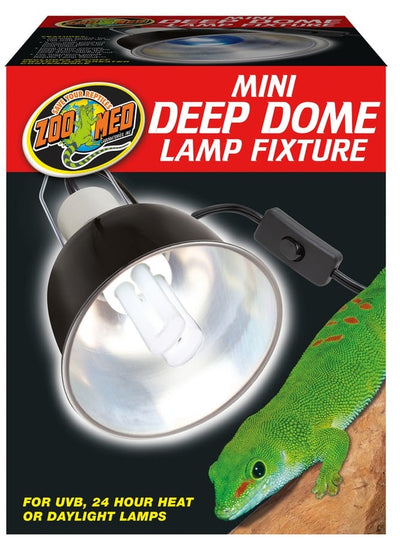
  • A low-watt Zoo Med basking bulb can create a gentle warm perch.
  • An Exo Terra ceramic heater may hold night ambient in a cold room, on a thermostat.
  • Full-spectrum UVB is optional and not required in this draft.
  • Lights off at night.
  • No colored bulbs as the only heat.

Humidity & water

  • Aim for about 60–80% humidity.
  • Mist regularly so droplets form on perches, then allow a dry-out.
  • Provide a soak bowl.
  • Stuck shed is often a humidity problem.
4

Feeding & supplements

Diet & feeding

  • Appropriately sized frozen-thawed rodents.
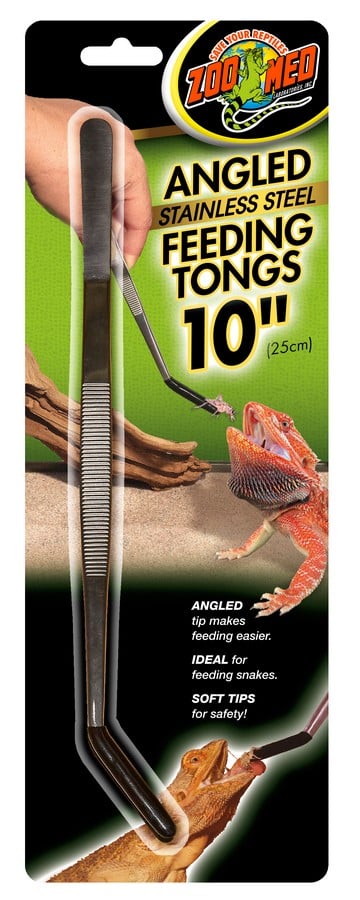
  • Feed on a perch or in a way that does not associate your hand with food.
  • Do not use live prey as the routine.

Supplements

  • Whole prey usually does not need extra powder.
  • Discuss any supplement plan with a reptile veterinarian if meals are limited.
5

Breeding & handling

Breeding

A specialist project. This draft does not give a breeding recipe.

Handling your new pet

  • Many Amazon tree boas are defensive.
  • A hook and a hide are more honest than frequent hand-walking.
  • Short, planned sessions only: once the animal is feeding well.
  • Not a first snake.
6

Health & setup

Common health issues

  • Watch for retained shed: a thin mid-body, respiratory signs in a stale wet cage, and bite-or-hook stress.
  • See a reptile veterinarian early.

Quick setup checklist

  • A tall locking enclosure (about 4×2×3 ft as an adult target) with sturdy perches
  • A Zoo Med mid-80s perch and an Exo Terra ceramic option in a cold room
  • Humidity 60–80% with a soak bowl
  • Frozen-thawed rodents of the right size
  • Captive-bred paperwork (CITES II); not an emerald tree boa

Shop the setup

Supporting Sources

The Painted Reptile · 18730 Oxnard St., Unit 215, Tarzana, CA 91356 · 818-654-9441 This care sheet is a general guide. Every animal is an individual, so watch yours closely and see a reptile veterinarian with any health concerns.
Just added to your wishlist:
My Wishlist
You've just added this product to the cart:
Go to cart page