The Painted Reptile
Western Banded Gecko – Quick Care OverviewWestern Banded Gecko Care Sheet – Full DetailsThe Painted Reptile · Reptile supplies, care & advice
18730 Oxnard St., Unit 215, Tarzana, CA 91356
818-654-9441 · paintedreptile.com
Painted Reptile Care Sheet

Western Banded Gecko

Coleonyx variegatus(Baird, 1858)

Also called: Banded gecko

Group Lizard · GeckoFamily EublepharidaeWild status IUCN Least Concern. Not CITES-listed (appendices valid 5 March 2026). California native.
Last reviewed November 2026
Photo coming soon

Quick facts

PR Keeper Level · care difficulty
3/10Beginner
1 · Hardy & forgiving10 · Experts only
1–2 Very easy · 3–4 Beginner · 5–6 Intermediate · 7–8 Advanced · 9–10 Expert
PR Handler Level · temperament
Green – Calm & easygoing
Small, delicate, and able to drop the tail. Handle little, the way you would a young leopard gecko.
Green: Calm & easygoing Yellow: Squirmy or flighty Red: Known to be aggressive
Adult size
About 4–6 in total.
Lifespan
Often 8–15 years in steady care.
Temperature
Warm hide 82–88°F; cool side 70–76°F; night 65–72°F
A belly-heat warm hide, not a hot overhead desert basking rock.
Humidity
Ambient 30–50%; humid hide higher
A moist hide is required for clean sheds.
Diet
Insectivore
Small gut-loaded insects.
Enclosure
20-gallon long or about 30×12×12 in minimum for one adult
A secure terrestrial tank with two hides and no tall drops.
Active
Nocturnal
Temperament
Shy, nocturnal, and generally gentle if left unchased.

California legal note: The Painted Reptile is a California store, so we post California rules first and most transparently. Western banded gecko (Coleonyx variegatus) is a California native reptile. Under 14 CCR § 40, it is unlawful to capture, collect, possess, purchase, propagate, sell, transport, import, or export a native reptile except as those regulations allow (Fish and Game Code § 5061 is the statute behind this). 14 CCR § 43 allows commercial sale of only three native reptiles — the California kingsnake, certain California gopher snake subspecies, and the northern three-lined boa. This species is not one of them, so it cannot be sold as a pet-trade animal in California. 14 CCR § 5.60 allows limited sport take of western banded gecko (daily bag and possession limit of 2) under a sportfishing license, except the San Diego banded gecko (Coleonyx variegatus abbotti), and no geckos of this species may be taken in the San Diego County closure described in § 5.60(f)(1). That is not a path to commercial sale. Animals that have been in captivity, including captively bred offspring, must not be released into the wild without written approval from the California Department of Fish and Wildlife (14 CCR § 40(e)). This page is a care guide. It is not legal advice, and it does not explain how to obtain any authorization. Other states and countries have their own laws.

The western banded gecko is a small, movable-eyelid, ground-dwelling gecko of the deserts and rocky scrub of the southwestern United States and northwestern Mexico, including much of southern California. In a cage it lives much like a petite leopard gecko: a warm hide, a humid hide, and small insects. This sheet is a husbandry guide for an animal already lawfully held, not a collecting guide.

Key care at a glance

  • California nativenot one of the three reptiles 14 CCR § 43 allows to be sold; never release (14 CCR § 40).
  • A small terrestrial gecko20-gallon long minimum, warm hide 82–88°F, plus a humid hide.
  • No sticky toe pads; it lives on the ground, not on glass.
  • Small gut-loaded insects with calcium.
  • Handle little — delicate, and it can drop the tail.
  • Do not collect from the wild as a substitute for a care plan.

Quick setup checklist

  • Read the California legal note before you buy, move, or house this animal.
  • Never release a captive western banded gecko.
  • 20-gallon long minimum with a warm hide, a cool hide, and a humid hide.
  • Warm hide about 82–88°F on a thermostatted heat pad.
  • Small gut-loaded insects with calcium.
  • Handle little; never grab the tail.
Want every detail? Natural history, breeding, health and more are in the full care sheet. Open full details

Supporting Sources: https://www.law.cornell.edu/regulations/california/14-CCR-40 · https://www.law.cornell.edu/regulations/california/14-CCR-43 · https://www.law.cornell.edu/regulations/california/14-CCR-5.60 · https://leginfo.legislature.ca.gov/faces/codes_displaySection.xhtml?lawCode=FGC§ionNum=5061. · https://www.iucnredlist.org/species/64039/12739050 · full list in Full details · full list on the full care sheet

The Painted Reptile · 18730 Oxnard St., Unit 215, Tarzana, CA 91356 · 818-654-9441 This care sheet is a general guide. Every animal is an individual, so watch yours closely and see a reptile veterinarian with any health concerns.
1

About the species

Species background & natural history

California legal note: The Painted Reptile is a California store, so we post California rules first and most transparently. Western banded gecko (Coleonyx variegatus) is a California native reptile. Under 14 CCR § 40, it is unlawful to capture, collect, possess, purchase, propagate, sell, transport, import, or export a native reptile except as those regulations allow (Fish and Game Code § 5061 is the statute behind this). 14 CCR § 43 allows commercial sale of only three native reptiles — the California kingsnake, certain California gopher snake subspecies, and the northern three-lined boa. This species is not one of them, so it cannot be sold as a pet-trade animal in California. 14 CCR § 5.60 allows limited sport take of western banded gecko (daily bag and possession limit of 2) under a sportfishing license, except the San Diego banded gecko (Coleonyx variegatus abbotti), and no geckos of this species may be taken in the San Diego County closure described in § 5.60(f)(1). That is not a path to commercial sale. Animals that have been in captivity, including captively bred offspring, must not be released into the wild without written approval from the California Department of Fish and Wildlife (14 CCR § 40(e)). This page is a care guide. It is not legal advice, and it does not explain how to obtain any authorization. Other states and countries have their own laws. Western banded geckos are eublepharid geckos, like leopard geckos: they have movable eyelids and lack the sticky toe pads of many climbing geckos. The care below follows that pattern at a smaller, slightly cooler scale.

Physical description

A slender, peach to yellow gecko with dark crossbands that often break into spots on adults, thin movable eyelids, and a tail that can be dropped and regrown. It does not climb smooth glass. It is not a leopard gecko and should not be housed with one.

Distribution

Deserts and adjacent rocky scrub of California, Arizona, Nevada, Utah, and Mexico. In California it is a native reptile. Sport take, where it is allowed at all, is limited by 14 CCR § 5.60, including the San Diego County closure and the exclusion of C. v. abbotti.

Lifespan

Often 8–15 years when the warm and humid hides are kept steady and the animal is not started too dry.

2

Housing

Caging

  • A 20-gallon long (about 30×12×12 in) is a practical minimum for one adult.
  • Use a secure lid.
  • Provide a warm hide: a cool hide, and a humid hide.
  • Keep adults one to a cage unless you have a deliberate group plan: males should not share a small tank.

Cage decor & substrate

  • Soft, dry substrate or a paper/tile setup with a moss-filled humid hide: low décor, and a small water dish.
  • Avoid sticky sand that can be swallowed.
  • Give no tall, unstable stacks.
3

Heat, light & humidity

Temperature needs

  • Heat one hide from below so the warm hide floor is about 82–88°F. The cool side should be about 70–76°F. Night can drop into the mid-60s to low 70s. Measure inside the hide, not just the glass.
  • Do not heat the whole cage.

Heating & lighting

  • A small under-tank heat pad on a thermostat: covering only part of the floor, is the usual heat source.
  • Room lighting on a regular day/night cycle is enough: a dim night light is optional.
  • Low UVB is used by some keepers and is not treated as required in this draft the way it is for a diurnal desert iguana.

Humidity & water

  • Keep room air moderate and provide a consistently slightly damp (not wet) hide so sheds come off in one piece.
  • A shallow water dish of clean water should always be available.
4

Feeding & supplements

Diet & feeding

  • Feed small, gut-loaded insects: small crickets and small roaches — in an amount the gecko finishes.
  • Juveniles need more frequent meals than adults.
  • Remove uneaten insects overnight.

Supplements

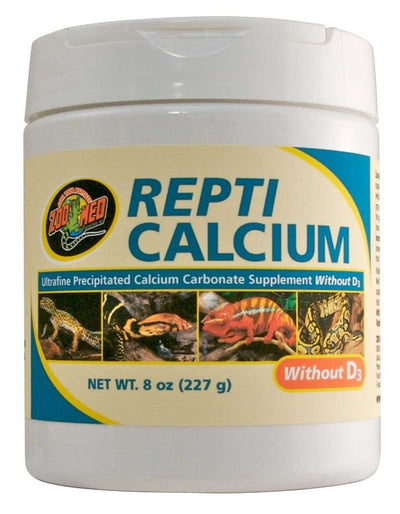
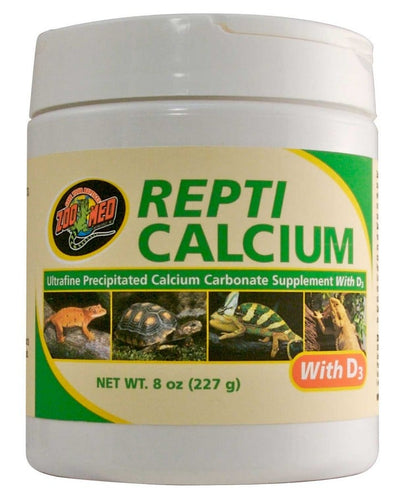
  • Dust insects with calcium (with D3 on some feedings: without D3 on others) and a multivitamin less often.
5

Breeding & handling

Breeding

Pairs may breed if kept together, which this draft does not recommend in a small tank. California law independently limits propagation of native reptiles. Never release offspring.

Handling your new pet

  • Handle little and never by the tail.
  • Wash your hands before and after.
  • These geckos are easier to stress and to injure than a large leopard gecko.
6

Health & setup

Common health issues

  • Stuck shed on the toes and tail tip: weight loss, and a cold, unused warm hide are the usual problems.
  • Seek a reptile veterinarian rather than collecting a replacement from the wild.
  • Never release a sick or unwanted animal.

Quick setup checklist

  • Read the California legal note before you buy, move, or house this animal.
  • Never release a captive western banded gecko.
  • 20-gallon long minimum with a warm hide, a cool hide, and a humid hide.
  • Warm hide about 82–88°F on a thermostatted heat pad.
  • Small gut-loaded insects with calcium.
  • Handle little; never grab the tail.

Shop the setup

Supporting Sources

The Painted Reptile · 18730 Oxnard St., Unit 215, Tarzana, CA 91356 · 818-654-9441 This care sheet is a general guide. Every animal is an individual, so watch yours closely and see a reptile veterinarian with any health concerns.
Just added to your wishlist:
My Wishlist
You've just added this product to the cart:
Go to cart page