The Painted Reptile
Transvaal Thick-Tail Scorpion – Quick Care OverviewTransvaal Thick-Tail Scorpion Care Sheet – Full DetailsThe Painted Reptile · Reptile supplies, care & advice
18730 Oxnard St., Unit 215, Tarzana, CA 91356
818-654-9441 · paintedreptile.com
Painted Reptile Care Sheet

Transvaal Thick-Tail Scorpion

Parabuthus transvaalicusPurcell, 1899

Also called: South African fat-tail scorpion, Transvaal thicktail

Group ScorpionFamily ButhidaeWild status Not Evaluated (IUCN)
Last reviewed November 2026
Photo coming soon

Quick facts

PR Keeper Level · care difficulty
8/10Advanced
1 · Hardy & forgiving10 · Experts only
1–2 Very easy · 3–4 Beginner · 5–6 Intermediate · 7–8 Advanced · 9–10 Expert
PR Handler Level · temperament
Red – Known to be aggressive
A dangerously venomous African buthid, and it can spray venom from the tail — a display animal only. Never free-handle. Use long tongs, keep the lid locked, and have an emergency plan.
Green: Calm & easygoing Yellow: Squirmy or flighty Red: Known to be aggressive
Adult size
A large thick-tailed buthid, often about 4–6 in including the tail
Lifespan
Several years in good care; published maxima vary
Temperature
About 80–88°F in the warm end, with a cooler retreat; do not bake the hide
A warm, dry-climate scorpion, not a rainforest box
Humidity
A dry surface and a slightly more humid hide or burrow
A constantly wet box is a common cause of trouble; a shallow water dish is still required
Diet
Carnivore (insects, offered with long tongs)
Gut-loaded crickets and roaches; never hand-feed
Enclosure
A tight-lidded, escape-proof, lockable glass or plastic box — this is not an open-top display
A hide, a shallow water dish, and a substrate they can sit on or burrow into lightly. The lid matters more than décor.
Active
Mostly nocturnal; hides by day
Temperament
Defensive, fast, and dangerously venomous — not a pet you handle

A large, thick-tailed African buthid, also called the South African fat-tail or Transvaal thicktail. It is in the same look-don't-handle class as the deathstalker: the sting is medically significant and potentially life-threatening, and this species can also spray venom from the tail. It is a display animal for experienced keepers only — never a pet you handle. Care is a locked, escape-proof dry box, modest warmth, a water dish, and insect meals offered with long tongs.

Key care at a glance

  • Look, don’t handlea medically significant African buthid, in the same class as the deathstalker.
  • It can spray venom from the tail — do not put your face near an open cage.
  • A locked lid matters more than décor.
  • No UVB product is required; a short-use LED scorpion light is optional for viewing through the glass.

Quick setup checklist

  • Locked, escape-proof enclosure — no open top
  • Simple hide, shallow water dish, dry surface
  • Long tongs only; never free-handle; have an emergency plan
  • Keep your face away from an open cage — this species can spray venom
  • Optional short-use LED scorpion light for viewing through the glass
Want every detail? Natural history, breeding, health and more are in the full care sheet. Open full details

Supporting Sources: The Scorpion Files · African Snakebite Institute — Southern African scorpions · IUCN Red List · CITES Appendices, valid 5 March 2026 · The Painted Reptile — Deathstalker Scorpion Care Sheet · full list in Full details · full list on the full care sheet

The Painted Reptile · 18730 Oxnard St., Unit 215, Tarzana, CA 91356 · 818-654-9441 This care sheet is a general guide. Every animal is an individual, so watch yours closely and see a reptile veterinarian with any health concerns.
1

About the species

Species background & natural history

The Transvaal thick-tail scorpion (Parabuthus transvaalicus Purcell, 1899) is a large southern African buthid. In its range, this species and the related P. granulatus account for most of the serious scorpion stings. It is not the deathstalker (Leiurus quinquestriatus), and it is not on California's 14 CCR 671 restricted list. It is still a dangerously venomous display animal.

Physical description

Adults are often about 4–6 inches including the tail, with the thick metasoma (tail) that gives the group its name, relatively slender pincers, and a dark brown to black body. Like other buthids it is built for speed more than for a heavy pinch. A distinctive risk in this genus is that some species, including this one, can spray or squirt venom from the telson. Do not lean over an open cage.

Distribution

A southern African species (including parts of South Africa and nearby countries) of dry and semi-arid habitats. Never release one outdoors, including in California or anywhere else.

Lifespan

Several years in a clean, correctly set-up enclosure is a reasonable expectation. Published maxima vary, so there is no single reliable figure.

2

Housing

Caging

  • A locked, tight-lidded, escape-proof box: no decorative open-top, no unsecured lid, no gaps.
  • A hide and a shallow, heavy water dish: keep décor simple so you can see the animal before you open the cage.
  • House alone. One scorpion, one locked box.

Cage decor & substrate

  • A simple hide is enough. The lid and your ability to see the animal matter more than scenery.
  • Do not build a cluttered cage that forces you to hunt for the scorpion with your hands.
3

Heat, light & humidity

Temperature needs

  • About 80–88°F in the warm end, with a cooler retreat; do not bake the hide.
  • This is a warm, dry-climate scorpion, not a rainforest box.
  • If the room is cool, use gentle, thermostatted heat. Never put a heat mat under a burrow.

Heating & lighting

  • Gentle, thermostatted heat if the room is cool. A normal day/night cycle is enough.
  • No special UVB lamp is required.
  • A scorpion / UV LED lamp is optional for viewing fluorescence through the glass — do not open the cage to ‘find’ the animal under the light, and do not put your face near an open lid.

Humidity & water

  • A dry surface and a slightly more humid hide or burrow.
  • A constantly wet box is a common cause of trouble; a shallow water dish is still required.
4

Feeding & supplements

Diet & feeding

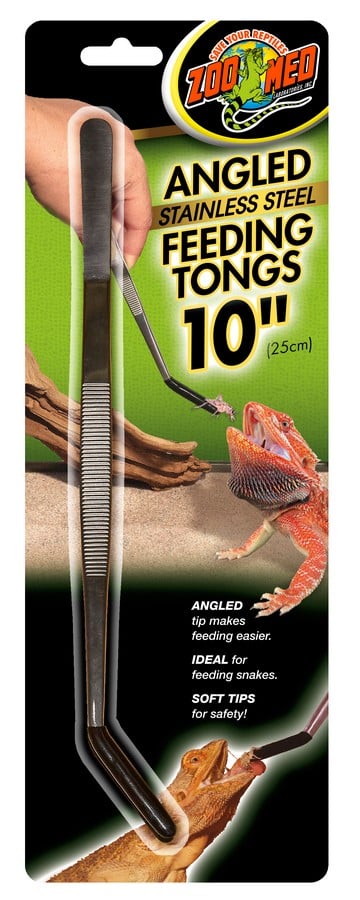
  • Gut-loaded crickets or dubia roaches, offered with long tongs — never hand-feed.
  • Feed adults every several days to about weekly, and remove uneaten prey.

Supplements

No special vitamin powder is required. Gut-loaded insects are enough.

5

Breeding & handling

Breeding

Not covered here. This is a dangerously venomous species; do not attempt casual pairing in a display cage.

Handling your new pet

  • Never free-handle. Never ‘test’ the sting.
  • Use long tongs or a catch cup, keep the lid locked, and have an emergency plan that includes getting medical care if someone is stung.
  • Do not put your face near an open cage — this species can spray venom.
  • Children, visitors, and other pets should not be able to open the enclosure.
6

Health & setup

Common health issues

  • A wet, stuffy cage, an unsecured lid, or leftover live prey are the usual husbandry problems.
  • If the scorpion is thin, refuses food for a long stretch, or has an obvious injury, ask a veterinarian who sees invertebrates — and treat every service as a venomous-animal procedure.

Quick setup checklist

  • Locked, escape-proof enclosure — no open top
  • Simple hide, shallow water dish, dry surface
  • Long tongs only; never free-handle; have an emergency plan
  • Keep your face away from an open cage — this species can spray venom
  • Optional short-use LED scorpion light for viewing through the glass

Shop the setup

Supporting Sources

The Painted Reptile · 18730 Oxnard St., Unit 215, Tarzana, CA 91356 · 818-654-9441 This care sheet is a general guide. Every animal is an individual, so watch yours closely and see a reptile veterinarian with any health concerns.
Just added to your wishlist:
My Wishlist
You've just added this product to the cart:
Go to cart page