The Painted Reptile
Tanzanian Red-Clawed Scorpion – Quick Care OverviewTanzanian Red-Clawed Scorpion Care Sheet – Full DetailsThe Painted Reptile · Reptile supplies, care & advice
18730 Oxnard St., Unit 215, Tarzana, CA 91356
818-654-9441 · paintedreptile.com
Painted Reptile Care Sheet

Tanzanian Red-Clawed Scorpion

Pandinoides cavimanus(Pocock, 1888)

Also called: Red-clawed scorpion, cavimanus

Group ScorpionFamily ScorpionidaeWild status Not Evaluated (IUCN)
Last reviewed November 2026
Photo coming soon

Quick facts

PR Keeper Level · care difficulty
2/10Very easy
1 · Hardy & forgiving10 · Experts only
1–2 Very easy · 3–4 Beginner · 5–6 Intermediate · 7–8 Advanced · 9–10 Expert
PR Handler Level · temperament
Red – Known to be aggressive
A heavy-bodied African burrower, typically more defensive than the emperor; it can pinch hard and sting — move with a cup or tongs, never by hand
Green: Calm & easygoing Yellow: Squirmy or flighty Red: Known to be aggressive
Adult size
A large scorpion, often about 4–5 in (9–13 cm), smaller than the emperor
Lifespan
Often about 8–12 years in a clean, correctly set-up enclosure
Temperature
A warm room, about 75–82°F by day, with a slightly cooler night
Side heat only if the room is cool; never a heat mat under the tank
Humidity
A dry-surface burrow with a slightly damp lower layer, about 55–70%
Not a rainforest-wet box; a shallow water dish and good ventilation
Diet
Carnivore
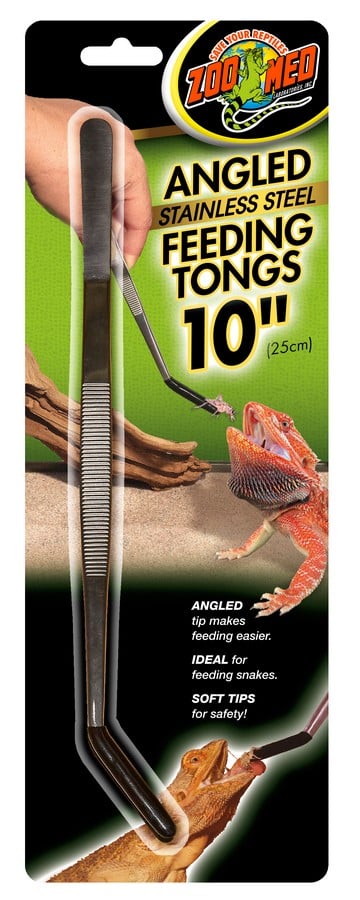
Appropriately sized crickets and dubia roaches, offered with tongs
Enclosure
A 10–20 gallon terrestrial enclosure for one adult, with deep, packable substrate and a secure lid
Wide floor, 6–10 in of burrowing substrate, a hide, and a shallow water dish; one scorpion is the default
Active
Nocturnal; spends the day in a burrow
Temperament
A heavy-bodied African burrower, typically more defensive than the emperor; a display animal, not a handling pet

A heavy-bodied African burrowing scorpion, also called the red-clawed scorpion or cavimanus, formerly Pandinus cavimanus. It is distinct from the emperor (Pandinus imperator), is typically more defensive, and is housed alone. It wants a deep-burrow setup and insects, and it is a display animal, not a scorpion to hold. It is not CITES-listed.

Key care at a glance

  • HousingA 10–20 gallon enclosure for one adult, with deep, packable substrate, a hide, a shallow water dish, and a secure lid.
  • Heat and lightAbout 75–82°F by day; a side heat pad or a thermostatted ceramic if the room is cool. No UVB. No heat mat under the tank.
  • HumidityA mostly dry surface and a slightly damp lower layer, with a water dish and good ventilation.
  • DietAppropriately sized crickets and dubia roaches, offered with tongs.
  • Identity and legalNot evaluated (IUCN). Not CITES-listed, unlike the emperor. Formerly Pandinus cavimanus. One scorpion is the default. No permit how-to.

Quick setup checklist

  • A 10–20 gallon enclosure for one adult, with deep substrate, a hide, and a water dish
  • About 75–82°F; side heat only if needed, never a heat mat under the tank
  • A dry surface and a slightly damp lower layer, not a wet box
  • Crickets and dubia roaches, offered with tongs
  • Not evaluated (IUCN); not CITES-listed, unlike the emperor
  • Formerly Pandinus cavimanus; a display animal, housed alone, not a handling pet
Want every detail? Natural history, breeding, health and more are in the full care sheet. Open full details

Supporting Sources: The Scorpion Files — CITES protected scorpions · The Scorpion Files · CITES Appendices I, II and III · full list in Full details · full list on the full care sheet

The Painted Reptile · 18730 Oxnard St., Unit 215, Tarzana, CA 91356 · 818-654-9441 This care sheet is a general guide. Every animal is an individual, so watch yours closely and see a reptile veterinarian with any health concerns.
1

About the species

Species background & natural history

Pandinoides cavimanus was named by Pocock in 1888 and was formerly placed in Pandinus. It is a heavy-bodied burrowing scorpion of Tanzania, distinct from the emperor (Pandinus imperator). It is not listed on the CITES appendices valid 5 March 2026, which name certain Pandinus species, including the emperor, but not this one. It is typically more defensive than the emperor and is housed alone. It is a display animal, not a handling pet. This sheet does not give permit advice.

Physical description

Adults are large, heavy-bodied scorpions, often about 4–5 in (9–13 cm), usually smaller than the emperor, with robust pedipalps that may show a reddish tone. It glows under a short-use UV viewing light.

Distribution

Tanzania, in savanna and similar burrowing habitat. Never release.

Lifespan

Eight to twelve years is a reasonable plan in a clean, correctly set-up enclosure.

2

Housing

Caging

  • A 10–20 gallon enclosure with a locking, well-ventilated lid is a sensible home for one adult, with deep, packable substrate for a burrow.
  • One scorpion is the default; do not house this species as a group the way some keepers keep emperors.

Cage decor & substrate

  • Deep, packable substrate, a hide started under anchored cork or bark, and a shallow water dish.
  • Rest heavy décor on the floor of the enclosure before filling around it, so a burrow cannot collapse onto the animal.
3

Heat, light & humidity

Temperature needs

  • About 75–82°F (24–28°C) by day, with a slightly cooler night; avoid overheating.

Heating & lighting

  • If the room is cool, use a heat pad on the side of the tank, or a ceramic heat emitter, always on a thermostat. Never put a heat mat under the tank — a burrower can dig down into the heat and be burned.
  • No bright basking lamps and no UVB product. Normal room light on a day–night cycle is enough.
  • A low-output UV or LED scorpion viewing light may be used briefly to see it fluoresce, not as a constant light.

Humidity & water

  • Keep a mostly dry, ventilated surface and a slightly damp lower layer, with a shallow water dish.
  • Do not keep a rainforest-wet box, and do not keep the substrate powder-dry all the way down.
4

Feeding & supplements

Diet & feeding

  • Appropriately sized crickets and dubia roaches are the staple; offer them with tongs.
  • Remove uneaten prey, and do not overfeed. Adults often eat every 7–14 days.

Supplements

  • A varied insect diet is the main plan; this sheet does not require a powdered supplement as a staple.
5

Breeding & handling

Breeding

A specialist project, and this species is housed alone as the default. This sheet does not give a breeding recipe.

Handling your new pet

  • Do not handle. This species is typically more defensive than the emperor; it can pinch hard and sting.
  • Move it with a cup or long tongs, never by hand.
6

Health & setup

Common health issues

  • Watch for a too-wet or collapsing burrow, overheating, a heat source under the tank, and an animal that hides without feeding for a long stretch without a normal molt.
  • See an exotic veterinarian early if those problems appear.

Quick setup checklist

  • A 10–20 gallon enclosure for one adult, with deep substrate, a hide, and a water dish
  • About 75–82°F; side heat only if needed, never a heat mat under the tank
  • A dry surface and a slightly damp lower layer, not a wet box
  • Crickets and dubia roaches, offered with tongs
  • Not evaluated (IUCN); not CITES-listed, unlike the emperor
  • Formerly Pandinus cavimanus; a display animal, housed alone, not a handling pet

Shop the setup

Supporting Sources

The Painted Reptile · 18730 Oxnard St., Unit 215, Tarzana, CA 91356 · 818-654-9441 This care sheet is a general guide. Every animal is an individual, so watch yours closely and see a reptile veterinarian with any health concerns.
Just added to your wishlist:
My Wishlist
You've just added this product to the cart:
Go to cart page