The Painted Reptile
Southern Toad – Quick Care OverviewSouthern Toad Care Sheet – Full DetailsThe Painted Reptile · Reptile supplies, care & advice
18730 Oxnard St., Unit 215, Tarzana, CA 91356
818-654-9441 · paintedreptile.com
Painted Reptile Care Sheet

Southern Toad

Anaxyrus terrestris(Bonnaterre, 1789)

Group ToadFamily BufonidaeWild status Least Concern (IUCN)
Last reviewed November 2026
Photo coming soon

Quick facts

PR Keeper Level · care difficulty
2/10Very easy
1 · Hardy & forgiving10 · Experts only
1–2 Very easy · 3–4 Beginner · 5–6 Intermediate · 7–8 Advanced · 9–10 Expert
PR Handler Level · temperament
Yellow – Squirmy or flighty
A hardy toad with delicate, permeable skin and irritating secretions; handle only when needed, then wash
Green: Calm & easygoing Yellow: Squirmy or flighty Red: Known to be aggressive
Adult size
About 1.5–3 in (4–8 cm)
Lifespan
Often 5–10+ years in a clean, simple terrestrial setup
Temperature
A comfortable room, about 65–80°F
Avoid overheating; this is a southeastern toad, not a desert animal
Humidity
40–70%
A moist hide and a shallow water dish; the surface can be a little drier than a rainforest cage
Diet
Insectivore
Gut-loaded crickets, dubia roaches, and other appropriately sized insects, lightly supplemented
Enclosure
A 10–20 gallon long tank or tub for one or two adults
Floor space, a moist hide, a shallow water dish, and a secure lid
Active
Nocturnal; hides by day
Temperament
A hardy, often calm toad; still an observation pet more than a frequent-handling animal

A hardy southeastern North American toad, distinct from the American toad (Anaxyrus americanus) already on the site. It wants a simple terrestrial setup, a moist hide, a shallow water dish, and insects, and it is a pet to watch more than to hold. Never release, and do not collect from the wild as a substitute for a care plan.

Key care at a glance

  • HousingA 10–20 gallon long tank or tub, with a moist hide, a shallow water dish, and a secure lid.
  • Heat and lightA comfortable room, about 65–80°F, with a normal day–night cycle; avoid overheating.
  • HumidityA moist hide and a shallow water dish; the surface can be a little drier than a rainforest cage.
  • DietGut-loaded crickets, dubia roaches, and other appropriately sized insects, lightly supplemented.
  • Identity and legalIUCN Least Concern. Not CITES-listed. Distinct from A. americanus. No permit how-to. Never release.

Quick setup checklist

  • A 10–20 gallon terrestrial setup with a moist hide and a shallow water dish
  • Comfortable room temperatures, about 65–80°F; avoid overheating
  • A moist hide, not a rainforest-wet box
  • Gut-loaded insects, lightly supplemented
  • IUCN Least Concern; not CITES-listed
  • Distinct from A. americanus; never release, and do not collect from the wild
Want every detail? Natural history, breeding, health and more are in the full care sheet. Open full details

Supporting Sources: AmphibiaWeb — Anaxyrus terrestris · IUCN Red List — Anaxyrus terrestris · CITES Appendices I, II and III · full list in Full details · full list on the full care sheet

The Painted Reptile · 18730 Oxnard St., Unit 215, Tarzana, CA 91356 · 818-654-9441 This care sheet is a general guide. Every animal is an individual, so watch yours closely and see a reptile veterinarian with any health concerns.
1

About the species

Species background & natural history

Anaxyrus terrestris was named by Bonnaterre in 1789. It is a common toad of the southeastern Atlantic and Gulf coastal plain of the United States, distinct from the American toad (Anaxyrus americanus) already on the site. Captive-bred animals are the preferred source. Never release native wildlife, and do not collect from the wild as a substitute for a care plan. It is a hardy, nocturnal burrowing toad with irritating skin secretions, more of a watch-me pet than a holding animal.

Physical description

Adults are typically about 1.5–3 in (4–8 cm), brown to gray or reddish, often with a pair of high knobs on the head behind the eyes. This is a typical North American toad, not a climbing tree frog.

Distribution

The southeastern United States, from Virginia to Florida and west to Louisiana, usually on sandy soils. Never release.

Lifespan

Five to ten years or more is a reasonable plan in a clean, simple terrestrial setup, on a steady insect diet.

2

Housing

Caging

  • A 10–20 gallon long tank or tub is a sensible home for one or two adults.
  • Floor space, a moist hide, a shallow water dish, and a secure lid are the point of the cage.

Cage decor & substrate

  • A burrowing substrate, a moist hide, and a shallow water dish.
  • Avoid a dry, bare cage and a deep water bowl.
3

Heat, light & humidity

Temperature needs

  • A comfortable room, about 65–80°F (18–27°C); avoid overheating.

Heating & lighting

  • A normal day–night cycle is the plan; most rooms do not need a strong heat lamp.
  • Low-level UVB is optional; this draft follows the existing toad product pattern and does not require a UVB product.

Humidity & water

  • Provide a moist hide and a shallow dish of dechlorinated water, with humidity about 40–70%.
  • The surface can be a little drier than a rainforest frog cage; do not leave a stagnant wet box.
4

Feeding & supplements

Diet & feeding

  • Gut-loaded crickets, dubia roaches, and other appropriately sized insects are the staple.
  • Feed in the evening, when the toad is active, and do not leave uneaten prey to foul the cage.

Supplements

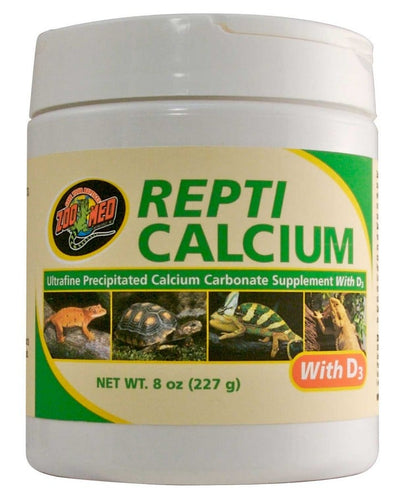
  • A light dusting of calcium with D3, plus a modest multivitamin on a schedule.
5

Breeding & handling

Breeding

A specialist project, and this is a native US toad. This draft does not give a breeding recipe, and it does not advise collecting from the wild.

Handling your new pet

  • Hardy, but the skin is permeable and the secretions can irritate eyes and cuts.
  • Handle only when needed, then wash; this is not a frequent-handling pet.
6

Health & setup

Common health issues

  • Watch for a fouled or too-wet setup, overheating, and a toad that stops eating or sits in the open by day.
  • See a reptile or amphibian veterinarian early if those problems appear.

Quick setup checklist

  • A 10–20 gallon terrestrial setup with a moist hide and a shallow water dish
  • Comfortable room temperatures, about 65–80°F; avoid overheating
  • A moist hide, not a rainforest-wet box
  • Gut-loaded insects, lightly supplemented
  • IUCN Least Concern; not CITES-listed
  • Distinct from A. americanus; never release, and do not collect from the wild

Shop the setup

Supporting Sources

The Painted Reptile · 18730 Oxnard St., Unit 215, Tarzana, CA 91356 · 818-654-9441 This care sheet is a general guide. Every animal is an individual, so watch yours closely and see a reptile veterinarian with any health concerns.
Just added to your wishlist:
My Wishlist
You've just added this product to the cart:
Go to cart page