The Painted Reptile
Slender Bark Scorpion – Quick Care OverviewSlender Bark Scorpion Care Sheet – Full DetailsThe Painted Reptile · Reptile supplies, care & advice
18730 Oxnard St., Unit 215, Tarzana, CA 91356
818-654-9441 · paintedreptile.com
Painted Reptile Care Sheet

Slender Bark Scorpion

Centruroides gracilis(Latreille, 1804)

Also called: Florida bark scorpion, brown bark scorpion

Group ScorpionFamily ButhidaeWild status Not Evaluated (IUCN)
Last reviewed November 2026
Photo coming soon

Quick facts

PR Keeper Level · care difficulty
3/10Beginner
1 · Hardy & forgiving10 · Experts only
1–2 Very easy · 3–4 Beginner · 5–6 Intermediate · 7–8 Advanced · 9–10 Expert
PR Handler Level · temperament
Red – Known to be aggressive
A medically significant buthid — a display animal only, never a handling scorpion. Use long tongs, and keep the lid locked.
Green: Calm & easygoing Yellow: Squirmy or flighty Red: Known to be aggressive
Adult size
A slender bark scorpion, often about 3–4 in, larger than the striped bark scorpion already on the site
Lifespan
Several years in good care; published species figures are thin
Temperature
About 75–85°F
A modest night drop is fine; no hot lamp aimed into a small cage
Humidity
Low to moderate, with a slightly moister hide
A shallow water dish; do not keep the cage soaking wet
Diet
Insectivore
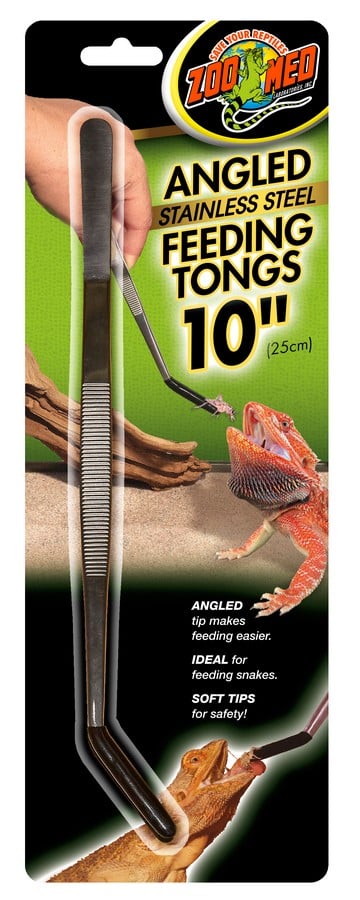
Gut-loaded crickets or roaches, offered with long tongs
Enclosure
A secure, escape-proof terrestrial cage with a tight lid — this species climbs well
Bark hides and a little height to climb, but not a tall, tippy setup; one scorpion is the default
Active
Night · hides under bark, stones, or debris by day; a capable climber
Temperament
A fast, slender buthid; defensive if cornered, and a display animal only

A slender, climbing bark scorpion of the Caribbean, Florida, and nearby mainland, also called the Florida bark scorpion or brown bark scorpion. It is distinct from the striped bark scorpion (Centruroides vittatus) already on the site. This is a true buthid — the sting is medically significant — and it is a display animal only. Care is a locked, escape-proof cage with bark hides, a water dish, and insect meals offered with long tongs. It climbs well, so the lid matters as much as the décor.

Key care at a glance

  • Distinct from the striped bark already on the site (C. vittatus).
  • A buthidmedically significant, less so than the deathstalker, and not a handling pet.
  • A climbera tight, escape-proof lid is required.
  • No UVB product is required; a short-use LED scorpion light is optional for viewing.

Quick setup checklist

  • Escape-proof, tight-lidded cage — this species climbs
  • Bark hides, a shallow water dish, and a moderately dry setup
  • Gut-loaded insects offered with long tongs
  • No handling; display only
  • Optional short-use LED scorpion light for viewing through the glass
Want every detail? Natural history, breeding, health and more are in the full care sheet. Open full details

Supporting Sources: The Scorpion Files · IUCN Red List · CITES Appendices, valid 5 March 2026 · The Painted Reptile — Striped Bark Scorpion Care Sheet · The Painted Reptile — Deathstalker Scorpion Care Sheet · full list in Full details · full list on the full care sheet

The Painted Reptile · 18730 Oxnard St., Unit 215, Tarzana, CA 91356 · 818-654-9441 This care sheet is a general guide. Every animal is an individual, so watch yours closely and see a reptile veterinarian with any health concerns.
1

About the species

Species background & natural history

The slender bark scorpion (Centruroides gracilis (Latreille, 1804)) is a New World buthid. It is larger and plainer than the two-striped C. vittatus already on the site, and it is not the Arizona bark scorpion (C. sculpturatus). In the hobby it is often sold as a Florida or brown bark scorpion. Treat the name on the bag as a starting point and confirm the scientific name when you can.

Physical description

Adults are often about 3–4 inches, a slender scorpion with relatively thin pincers and a long tail — the usual buthid build, and larger than the striped bark already on the site. Color is typically brown, sometimes with darker markings, not the clear two-stripe pattern of C. vittatus. It hides under bark and debris by day and is a capable climber.

Distribution

A Caribbean, Florida, and nearby mainland species. It has also been recorded as introduced in some areas outside that core range. The second-150 California / invasive flag field is empty; this sheet still says never release one outdoors, including in California or anywhere else.

Lifespan

Several years in good care is a reasonable expectation. Species-specific published maxima are thin, so the draft does not invent a hard number.

2

Housing

Caging

  • A tight-lidded, escape-proof cage — this species climbs well and will use the smallest gap.
  • Bark hides and a little height to climb, but not a tall, tippy setup.
  • A shallow, heavy water dish, and simple décor so you can see the animal before you open the cage.
  • House alone as the default.

Cage decor & substrate

  • Cork or bark bends make the most useful hides.
  • Avoid a cluttered cage that hides the scorpion every time you need to service it.
3

Heat, light & humidity

Temperature needs

  • About 75–85°F is a practical target; a modest night drop is fine.
  • No hot lamp aimed into a small cage.

Heating & lighting

  • Room light on a normal day/night cycle is enough. No UVB product is required.
  • A scorpion / UV LED lamp is optional for viewing fluorescence through the glass — do not use it as an excuse to open the cage and hunt the animal with your hands.

Humidity & water

  • Low to moderate humidity, with a slightly moister hide.
  • A shallow water dish is required; do not keep the cage soaking wet.
4

Feeding & supplements

Diet & feeding

  • Gut-loaded crickets or dubia roaches, sized to the scorpion, offered with long tongs.
  • Feed adults every several days to about weekly, and remove uneaten prey.
  • Never hand-feed.

Supplements

No special vitamin powder is required. Gut-loaded insects are enough.

5

Breeding & handling

Breeding

Not covered in detail here. This is a solitary display animal; do not house a pair together except under a deliberate, experienced breeding plan.

Handling your new pet

  • Never free-handle. This is a medically significant buthid.
  • Use long tongs or a cup, keep the lid locked, and have a simple plan for a sting (including medical care if needed).
  • It is not in the same class as the deathstalker or the Transvaal thick-tail, but it is still a display animal only.
6

Health & setup

Common health issues

  • A soaked cage, an unsecured lid, or leftover live prey in a small box are the usual problems.
  • If the scorpion is thin, refuses food for a long stretch, or has an obvious injury, ask a veterinarian who sees invertebrates.

Quick setup checklist

  • Escape-proof, tight-lidded cage — this species climbs
  • Bark hides, a shallow water dish, and a moderately dry setup
  • Gut-loaded insects offered with long tongs
  • No handling; display only
  • Optional short-use LED scorpion light for viewing through the glass

Shop the setup

Supporting Sources

The Painted Reptile · 18730 Oxnard St., Unit 215, Tarzana, CA 91356 · 818-654-9441 This care sheet is a general guide. Every animal is an individual, so watch yours closely and see a reptile veterinarian with any health concerns.
Just added to your wishlist:
My Wishlist
You've just added this product to the cart:
Go to cart page