The Painted Reptile
Short-fingered Gecko – Quick Care OverviewShort-fingered Gecko Care Sheet – Full DetailsThe Painted Reptile · Reptile supplies, care & advice
18730 Oxnard St., Unit 215, Tarzana, CA 91356
818-654-9441 · paintedreptile.com
Painted Reptile Care Sheet

Short-fingered Gecko

Stenodactylus sthenodactylus(Lichtenstein, 1823)

Also called: Lichtenstein’s short-fingered gecko, elegant gecko, dune gecko, dwarf sand gecko

Group Lizard · GeckoFamily GekkonidaeWild status Least Concern (IUCN)
Last reviewed November 2026
Photo coming soon

Quick facts

PR Keeper Level · care difficulty
3/10Beginner
1 · Hardy & forgiving10 · Experts only
1–2 Very easy · 3–4 Beginner · 5–6 Intermediate · 7–8 Advanced · 9–10 Expert
PR Handler Level · temperament
Yellow – Squirmy or flighty
Tiny and very quick; handle only when needed
Green: Calm & easygoing Yellow: Squirmy or flighty Red: Known to be aggressive
Adult size
2–3 in. total (some reports to ~4 in.)
Lifespan
Uncertain (about 7 years in some genus-level sheets)
Temperature
Daytime hot spot ~95°F
Ambient 75–85°F · nights can drop to the upper 60s
Humidity
30–50%
Dry air · mist 1–2 times a week and let it dry
Diet
Insectivore
Tiny gut-loaded insects, dusted
Enclosure
10-gal or 12×12×12 in. min. for one
Deep sand · larger is easier to keep stable
Active
Nocturnal to crepuscular
Temperament
Small, shy, better as a display gecko

A tiny North African and Middle Eastern sand gecko — note the spelling sthenodactylus. It stays only a few inches long, burrows in loose sand, and is best kept as a small display animal. Confirm you have this species and not Stenodactylus petrii, which is often sold under the same trade name.

Key care at a glance

  • HousingA 10-gallon tank or 12×12×12 in. enclosure can hold a single adult; larger is better and more stable. Deep sand, light hides they can dig under, and any heavy décor supported on the floor so a burrow cannot collapse.
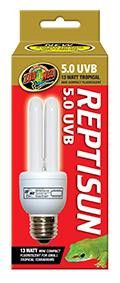
  • Heat & lightAmbient 75–85°F with a daytime hot spot around 95°F (Josh’s Frogs). Other keepers use a slightly cooler hot spot (about 86–90°F). Night drops into the upper 60s or low 70s are normal. UVB is optional; Josh’s Frogs says no special lighting is required. If you offer UVB, use a low Zoo Med 5.0 and shade.
  • HumidityKeep ambient humidity from staying above about 40–50%. Mist heavily once or twice a week so they can drink droplets, then let the enclosure dry in a few hours. A shallow dish is optional.
  • DietVery small gut-loaded insects (about ⅛ inch for hatchlings, ¼ inch for adults), no longer than the space between the eyes, dusted with a vitamin/mineral supplement. Offer prey in a bowl so bugs do not vanish into the sand.
  • HandlingOnly when needed. They are small enough to injure or lose easily.

Quick setup checklist

  • Escape-proof enclosure; 10-gal or 12×12×12 in. minimum for one, larger better
  • Deep sand and only light, or floor-supported, hides
  • Ambient 75–85°F and a measured daytime hot spot (about 95°F, or a documented cooler target)
  • Humidity that does not stay above ~50%; weekly misting that can dry out
  • Tiny dusted insects offered in a bowl
  • Confirm the species is S. sthenodactylus, not S. petrii
Want every detail? Natural history, breeding, health and more are in the full care sheet. Open full details

Supporting Sources: Reptile Database — Stenodactylus sthenodactylus · Josh’s Frogs — Dune Gecko · Coast to Coast Exotics — Elegant gecko notes · Bermondsey Exotics — Dune gecko guide · IUCN / GBIF — Least Concern · 14 CCR §671 · full list in Full details · full list on the full care sheet

The Painted Reptile · 18730 Oxnard St., Unit 215, Tarzana, CA 91356 · 818-654-9441 This care sheet is a general guide. Every animal is an individual, so watch yours closely and see a reptile veterinarian with any health concerns.
1

About the species

Species background & natural history

Stenodactylus sthenodactylus was described by Lichtenstein in 1823. It is the type species of Stenodactylus.

The Reptile Database notes that S. sthenodactylus mauritanicus has been raised to a full species. Common names include elegant gecko, Lichtenstein’s short-fingered gecko, and dune gecko.

The store product is titled Short Fingered Gecko.

Physical description

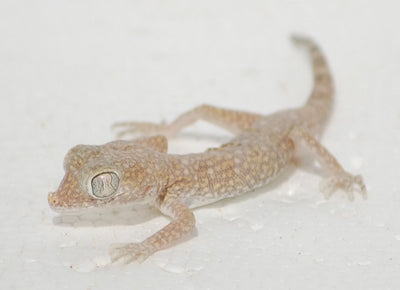
A small, sandy-colored gecko, typically 2–3 inches long (Josh’s Frogs); some genus-level care sheets say up to about 4 inches. The toes are short (the genus name means ‘narrow finger’).

Pattern is usually beige and brown blotches or irregular stripes, with a paler belly. Males show tail-base bulges once mature.

Distribution

A wide dry-country range in North Africa and the adjacent Middle East: Morocco, Western Sahara, Algeria, Tunisia, Libya, Egypt (including Sinai), Mauritania, Mali, Sudan, South Sudan, Ethiopia, Eritrea, northern Kenya, Israel, the West Bank, Jordan, Syria, and northwestern Saudi Arabia (Tabuk). Type locality: ‘Aegypten’ (Egypt and Nubia, fide Arnold 1980).

Lifespan

Josh’s Frogs does not give a lifespan. Some UK genus- or S. petrii sheets say up to 7 years.

Treat lifespan as uncertain until a species-specific figure is confirmed; do not advertise a long-lived gecko on that basis.

2

Housing

Caging

  • Josh’s Frogs: one to five adults can be housed in a 10-gallon tank, or three to four in a 12×12×12.
  • This draft recommends at least that size for one: adult and a larger enclosure if you ever keep a group.
  • Have enough food and hides for every animal: and be ready to separate them.
  • A secure lid is essential: they are small enough to walk out of tiny gaps.
  • Deep sand (they are burrowers).
  • Spot-clean waste weekly.

Cage decor & substrate

  • Light hides: cork, driftwood, plant saucers — because they will dig under everything.
  • If you use slate or other heavy pieces: they must rest on the enclosure floor, not only on the sand, so a burrow cannot collapse.
  • A humid hide with slightly damp substrate is useful: even in a dry tank (Coast to Coast Exotics).
  • Shallow water dish optional.
3

Heat, light & humidity

Temperature needs

  • Josh’s Frogs: ambient 75–85°F, daytime hot spot around 95°F.
  • Bermondsey Exotics uses a cooler hot spot (about: 82–90°F / 28–32°C) and cool side 72–77°F, with nights 64–68°F.
  • This draft uses the Josh’s Frogs figures as the primary: target and notes the lower alternative.
  • Measure and use a thermostat.
  • A heat lamp over a slate, or a controlled heat pad, can both work: overhead heat with a thermostat is the cleaner modern option.

Heating & lighting

  • Josh’s Frogs says no special lighting is required.
  • Other keepers offer optional low-level UVB (2–5%, or a Zoo: Med ReptiSun 5.0).
  • If you use UVB, do not over-expose a tiny nocturnal gecko: provide deep shade and a burrow.
  • A regular day/night cycle (about 12 hours) is enough visible light.

Humidity & water

  • Keep ambient humidity from remaining above 40–50% (Josh’s Frogs): some keepers run 20–40%.
  • Mist heavily once or twice a week so: droplets form on the walls, then let the enclosure dry within a few hours.
  • A shallow water dish is optional if misting: is consistent, but a small dish is still a safe backup.
4

Feeding & supplements

Diet & feeding

  • Insectivore.
  • Crickets as a staple: tiny roaches, waxworms, and small mealworms as occasional variety.
  • Prey no longer than the space between the eyes (Josh’s Frogs).
  • Hatchlings around ⅛-inch insects: adults around ¼-inch.
  • Offer insects in an escape-proof bowl so they: are not lost in the sand.

Supplements

  • Dust feeders with a vitamin/mineral supplement.
  • Use calcium with D3 if you are not offering UVB: if you are, lean on calcium without D3 and a lighter multivitamin schedule.
5

Breeding & handling

Breeding

Josh’s Frogs: males and females can be housed together with enough space and food; a winter brumation helps start breeding. Females lay two eggs in the substrate every 2–3 weeks; eggs hatch in 60–80 days.

Only attempt this if you can incubate eggs and house hatchlings. This sheet is not a breeding manual.

Handling your new pet

  • Handle only when necessary, and very gently, over: a table or in a room they cannot vanish into.
  • They can slip through fingers or drop from a height.
6

Health & setup

Common health issues

  • Main risks are escape, crushed burrows, dehydration if: the tank never gets a drink, stuck shed, and gut issues if they swallow a lot of sand while chasing loose prey (feed in a bowl and keep temperatures right).
  • Watch weight: they are so small that a missed week of food matters.

Quick setup checklist

  • Escape-proof enclosure; 10-gal or 12×12×12 in. minimum for one, larger better
  • Deep sand and only light, or floor-supported, hides
  • Ambient 75–85°F and a measured daytime hot spot (about 95°F, or a documented cooler target)
  • Humidity that does not stay above ~50%; weekly misting that can dry out
  • Tiny dusted insects offered in a bowl
  • Confirm the species is S. sthenodactylus, not S. petrii

Shop the setup

Supporting Sources

The Painted Reptile · 18730 Oxnard St., Unit 215, Tarzana, CA 91356 · 818-654-9441 This care sheet is a general guide. Every animal is an individual, so watch yours closely and see a reptile veterinarian with any health concerns.
Just added to your wishlist:
My Wishlist
You've just added this product to the cart:
Go to cart page