The Painted Reptile
Pink-bellied Side-necked Turtle – Quick Care OverviewPink-bellied Side-necked Turtle Care Sheet – Full DetailsThe Painted Reptile · Reptile supplies, care & advice
18730 Oxnard St., Unit 215, Tarzana, CA 91356
818-654-9441 · paintedreptile.com
Painted Reptile Care Sheet

Pink-bellied Side-necked Turtle

Emydura subglobosa(Krefft, 1876)

Also called: Red-bellied short-necked turtle; Jardine River turtle; pink-bellied sideneck

Group TurtleFamily ChelidaeWild status Not evaluated (IUCN) · not CITES-listed
Last reviewed November 2026
Photo coming soon

Quick facts

PR Keeper Level · care difficulty
5/10Intermediate
1 · Hardy & forgiving10 · Experts only
1–2 Very easy · 3–4 Beginner · 5–6 Intermediate · 7–8 Advanced · 9–10 Expert
PR Handler Level · temperament
Yellow – Squirmy or flighty
Can scratch and may bite if lifted – support the shell; it is an aquatic turtle, not a cuddle pet
Green: Calm & easygoing Yellow: Squirmy or flighty Red: Known to be aggressive
Adult size
About 8–10 in. carapace (typical captives; see notes)
Lifespan
Decades in good care (species figure is thin)
Temperature
Water about 75–80°F; basking mid-80s to about 90°F
A dry haul-out in the warm spot
Humidity
Aquatic
Clean, filtered, dechlorinated water and a dry basking dock
Diet
Omnivore
Turtle pellets, insects, worms, and plant matter
Enclosure
A long aquatic tank, about 75 gal for an adult
40 gal is a short-term minimum for a young animal
Active
Day · swims and hauls out to bask
Temperament
Alert, aquatic

A colorful short-necked turtle from southern New Guinea and northern Australia, with a pink to red plastron and a side-necked way of tucking the head. It is an active swimming turtle that needs a large, clean aquatic tank, a dry basking dock, UVB and a mixed diet. Like other pet turtles, U.S. sales are limited by the federal 4-inch rule. Species-specific published care is thinner than for sliders or painted turtles, so several figures here follow general aquatic-turtle practice and should be read with that in mind.

Key care at a glance

  • LegalThe federal 4-inch rule (21 CFR 1240.62) applies. Not listed by CITES.
  • HousingA long, filtered aquatic tank – plan on about 75 gallons for an adult, with a dry basking dock.
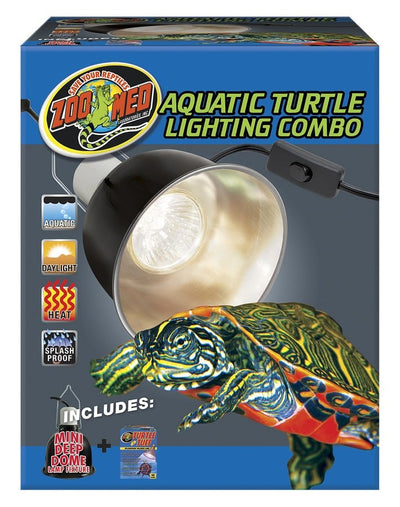
  • Heat and lightWater about 75–80°F, a basking spot in the mid-80s to about 90°F, and a UVB lamp over the dock.
  • DietA quality aquatic-turtle pellet plus insects, worms and plant matter; calcium and UVB matter for the shell.
  • Water qualityDechlorinate, filter, and change water on a schedule – poor water is the usual cause of illness.
  • HandlingBrief and purposeful; this is a swimming turtle, not a lap pet.

Quick setup checklist

  • Long 75-gal-class aquatic tank (40 gal only as a start)
  • Oversize filter + dechlorinator + water-test kit
  • Heater (protected) and a dry basking dock
  • UVB lamp over the dock
  • Thermometers for water and basking
  • Aquatic turtle pellets, worms/insects and greens
  • Calcium block or cuttlebone
Want every detail? Natural history, breeding, health and more are in the full care sheet. Open full details

Supporting Sources: The Reptile Database · General aquatic-turtle husbandry consistent with the store’s Reeves’ turtle and painted turtle sheets · FDA / 21 CFR 1240.62 · IUCN status · full list in Full details · full list on the full care sheet

The Painted Reptile · 18730 Oxnard St., Unit 215, Tarzana, CA 91356 · 818-654-9441 This care sheet is a general guide. Every animal is an individual, so watch yours closely and see a reptile veterinarian with any health concerns.
1

About the species

Species background & natural history

Described by Krefft in 1876. It is a short-necked (not long-necked) Australasian sideneck in the family Chelidae, from freshwater rivers and swamps in southern Papua New Guinea and adjacent northern Australia (Reptile Database). Common names include red-bellied short-necked turtle and Jardine River turtle.

Care is the same general pattern as other small basking river turtles: deep swimming room, a dry haul-out, heat, UVB and excellent water quality. A dedicated zoo or vet husbandry sheet for this species was not found on this pass, so temperature and tank-size figures are conservative aquatic-turtle practice, flagged below.

Wild status: IUCN Not Evaluated (GBIF). Not listed by CITES (Species+ search for the species returned no record; some other chelids are listed). 21 CFR 1240.62 restricts sale of turtles with a carapace under 4 inches.

Physical description

A short-necked turtle that folds its neck sideways under the shell. The plastron is often pink, red or orange, especially in younger animals, and the head usually shows pale stripes. The shell is relatively rounded (the name subglobosa refers to that shape).

  • Size: adults in the pet trade are commonly around 8–10 in. carapace length. A type specimen of 160 mm (about 6.3 in.) is cited in the Reptile Database; a tightly sourced maximum was not found. Flag this figure as approximate.
  • Sexes: males often have a longer, thicker tail; this should be confirmed as the turtle matures.

Distribution

Southern Papua New Guinea and northern Australia, in rivers, swamps and other fresh water (Reptile Database). Never release a pet turtle.

Lifespan

Aquatic turtles of this type commonly live for decades in good care. A precise, well-sourced captive figure for E. subglobosa was not found in the pages opened here.

2

Housing

Caging

  • Adult tank: plan on a long aquarium of about 75 gallons for one adult; more length is better than a tall, narrow tank.
  • Young animals: a 40-gallon tank can work for a time, but they outgrow it.
  • Land: a dry basking dock or turtle bank they can climb easily, with the lamp above it.
  • Filter: an oversize canister or comparable filter, plus regular water changes.

Cage decor & substrate

  • Swimming room: keep décor from crowding the mid-water; a log or rock should not trap the turtle under water.
  • Substrate: bare-bottom or large, smooth gravel that cannot be swallowed.
  • Plants: tough aquatic plants are optional and may be eaten.
3

Heat, light & humidity

Temperature needs

  • Water: about 75–80°F with an aquarium heater rated for the tank, protected so it cannot be broken.
  • Basking dock: a dry spot in the mid-80s to about 90°F.
  • Flag: these temperatures follow general small-basking-turtle practice (as used on the store’s painted and Reeves’ turtle sheets), not a species-specific lab study.

Heating & lighting

  • UVB: a UVB lamp over the basking dock, on about 12 hours a day, is required for normal shell and bone growth.
  • A combined turtle heat-and-UVB fixture can work if the dock temperature and UVB distance are both correct.
  • Thermostats and a thermometer: in the water and on the dock.

Humidity & water

  • Water quality: always dechlorinate. Cycle the tank, test, and change water on a schedule. Dirty water is the usual source of shell and skin trouble.
  • Depth: deep enough for the adult to swim and right itself easily, with a sure exit onto the dock.
4

Feeding & supplements

Diet & feeding

  • Staple: a quality aquatic-turtle pellet, plus earthworms, insects and leafy plant matter.
  • How often: juveniles daily; adults most days, with some lighter days so they do not become obese.
  • Variety: do not use only dried shrimp or only protein.

Supplements

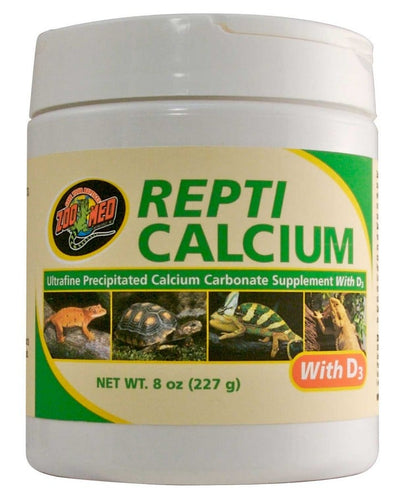
  • Calcium: a cuttlebone or calcium block in the tank, plus a calcium dust on feeder insects. UVB supplies D3 when it is set up correctly.
  • A slow-release turtle calcium block is an option in the water.
5

Breeding & handling

Breeding

  • A lay box of moist sand or soil: is needed if you keep a mature female; otherwise she may try to nest in the water or in the filter. Breeding and egg care are a separate project.
  • The 4-inch rule still applies to any offspring offered for sale.

Handling your new pet

  • Brief: support the shell with two hands; they can scratch and may bite.
  • Wash well: Salmonella risk is the same as for other turtles.
  • Not a children’s “hold-me” pet.
6

Health & setup

Common health issues

  • Shell rot, swollen eyes and respiratory signs: usually point to poor water, low heat or weak UVB.
  • Never release: this is not a native U.S. turtle.
  • Veterinary care: with a reptile or turtle veterinarian.

Quick setup checklist

  • Long 75-gal-class aquatic tank (40 gal only as a start)
  • Oversize filter + dechlorinator + water-test kit
  • Heater (protected) and a dry basking dock
  • UVB lamp over the dock
  • Thermometers for water and basking
  • Aquatic turtle pellets, worms/insects and greens
  • Calcium block or cuttlebone

Shop the setup

Supporting Sources

  • The Reptile Database – Emydura subglobosa: reptile-database.reptarium.cz
  • General aquatic-turtle husbandry consistent with the store’s Reeves’ turtle and painted turtle sheets (LafeberVet / VCA-style practice)
  • FDA / 21 CFR 1240.62 – 4-inch turtle rule (existing research file)
  • IUCN status via GBIF (Not Evaluated); CITES: Species+ search returned no listing for this species
The Painted Reptile · 18730 Oxnard St., Unit 215, Tarzana, CA 91356 · 818-654-9441 This care sheet is a general guide. Every animal is an individual, so watch yours closely and see a reptile veterinarian with any health concerns.
Just added to your wishlist:
My Wishlist
You've just added this product to the cart:
Go to cart page