The Painted Reptile
Painted Wood Turtle – Quick Care OverviewPainted Wood Turtle Care Sheet – Full DetailsThe Painted Reptile · Reptile supplies, care & advice
18730 Oxnard St., Unit 215, Tarzana, CA 91356
818-654-9441 · paintedreptile.com
Painted Reptile Care Sheet

Painted Wood Turtle

Rhinoclemmys pulcherrima(Gray, 1855)

Also called: Central American wood turtle, ornate wood turtle; incisa is the form most often in US trade

Group Turtle · Wood turtleFamily GeoemydidaeWild status Near Threatened (IUCN)
Last reviewed November 2026
Photo coming soon

Quick facts

PR Keeper Level · care difficulty
5/10Intermediate
1 · Hardy & forgiving10 · Experts only
1–2 Very easy · 3–4 Beginner · 5–6 Intermediate · 7–8 Advanced · 9–10 Expert
PR Handler Level · temperament
Yellow – Squirmy or flighty
Tolerates brief handling but is happier left to forage — support the body, don’t flip it
Green: Calm & easygoing Yellow: Squirmy or flighty Red: Known to be aggressive
Adult size
About 8–9 in. carapace (varies by subspecies)
Lifespan
20–30+ yrs
Temperature
Basking 88–90°F
Ambient 75–82°F · night 70–75°F
Humidity
60–80%
Moist land and a clean shallow pool
Diet
Omnivore
Plant-heavy with regular animal protein
Enclosure
4×2 ft min. (one adult)
Mostly land, plus a shallow pool with an easy ramp
Active
Diurnal
Temperament
Active forager, better displayed than carried

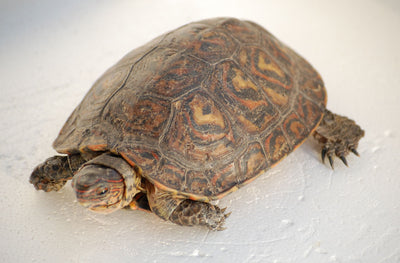
A colorful Central American wood turtle, sold here as the Central American Wood Turtle. It is a land-heavy, semi-terrestrial species: a big moist enclosure, a shallow clean pool, UVB, and a mixed diet. It is not a box turtle and it is not a slider. Captive-bred only; no pet sales under 4 inches.

Key care at a glance

  • HousingAt least 4×2 ft (120×60 cm) for one adult (Tree of Life Exotics). About 70–80% land (moist soil, leaf litter, hides) and a shallow pool large enough to submerge, with a ramp in and out. Outdoor pens work in warm, predator-proof settings. One turtle is simplest.
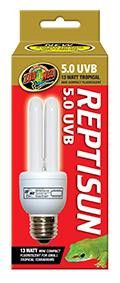
  • Heat & lightAmbient 75–82°F, basking 88–90°F, night 70–75°F (Tree of Life Exotics). Quality UVB over the land and basking area, 10–12 hours a day, with shade. Zoo Med 5.0 and a basking or splash-proof halogen are the store-linked options.
  • Humidity60–80%, from moist substrate and regular misting, not from a steaming closed box. Keep the water clean — change it often.
  • DietOmnivore, plant-heavy with supplemental protein (Tree of Life Exotics): greens and other plant foods plus earthworms, insects, and a good moistened turtle diet as part of the mix.
  • LegalCITES II since 2023, IUCN Near Threatened, and the federal 4-inch rule. Keep paperwork.

Quick setup checklist

  • 4×2 ft or larger, mostly land, plus a shallow pool with a ramp
  • Ambient 75–82°F, basking 88–90°F, night 70–75°F
  • Zoo Med 5.0-style UVB over the land, with shade
  • Humidity 60–80% and genuinely clean water
  • Plant-heavy omnivore diet with regular protein
  • Captive-bred paperwork; no pet sales under 4 in. carapace (21 CFR 1240.62)
Want every detail? Natural history, breeding, health and more are in the full care sheet. Open full details

Supporting Sources: Reptile Database — Rhinoclemmys pulcherrima · Tree of Life Exotics — Painted / Central American wood turtle care · Species+ — CITES II · IUCN / GBIF — Near Threatened · 21 CFR 1240.62 · 14 CCR §671 · full list in Full details · full list on the full care sheet

The Painted Reptile · 18730 Oxnard St., Unit 215, Tarzana, CA 91356 · 818-654-9441 This care sheet is a general guide. Every animal is an individual, so watch yours closely and see a reptile veterinarian with any health concerns.
1

About the species

Species background & natural history

Named as Emys pulcherrimus by Gray in 1855 (Species+, GBIF, and the Reptile Database use 1855; IUCN’s record says 1856). Now Rhinoclemmys pulcherrima, a geoemydid ‘wood turtle’ (not a North American Glyptemys wood turtle).

Named subspecies include pulcherrima, incisa, manni, and rogerbarbouri. The incisa form is the one most often in the US pet trade.

The store lists it as ‘Central American Wood Turtle.’

Physical description

A semi-terrestrial turtle with a moderately high, often richly patterned shell and a colorful head — red, yellow, and black markings are common, especially in incisa and manni. Adults are typically larger than an ornate box turtle; many incisa reach around 8–9 inches carapace, with some subspecies variation (species-specific maxima were not used here without a single clean source figure).

The plastron does not close as completely as a box turtle’s. Strong claws, a taste for both land and shallow water.

Distribution

Mexico (Sonora, Sinaloa, Nayarit, Jalisco, Colima, Michoacán, Guerrero, Oaxaca, Chiapas, Chihuahua) through Guatemala, El Salvador, Honduras, Nicaragua, and Costa Rica, with subspecies ranges as given by the Reptile Database (pulcherrima in parts of southern Mexico; incisa from Mexico through northern Nicaragua and El Salvador; manni in southern Nicaragua and northern Costa Rica; rogerbarbouri along the Mexican Pacific slope). Type locality of the species was later restricted in the literature.

Lifespan

Tree of Life Exotics: lifespan can exceed 20–30 years in captivity with proper care. Plan for a long-term pet.

2

Housing

Caging

  • Tree of Life Exotics: at least 4×2 ft for one adult, larger better.
  • Land should be about 70–80% of the footprint, with soil, leaf litter, logs, and plants: the water area is a shallow pool the turtle can submerge in, with an easy ramp.
  • This is not a deep aquarium with a small dock.
  • Keep the water clean (Tree of Life Exotics: change daily if it is a simple pool without filtration; a filtered paludarium is a nicer long-term option if water quality is actually maintained).
  • Outdoor pens are good in warm climates if: they are shaded, drained, and predator-proof.
  • One turtle is the simplest pet setup.

Cage decor & substrate

  • Moist topsoil mixed with coco fiber and leaf: litter for digging (Tree of Life Exotics).
  • Cork, logs, and plants for cover.
  • A humid hide on land.
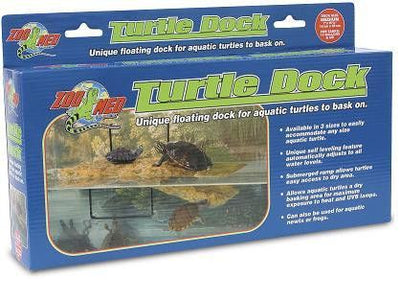
  • A shallow, stable pool with a ramp: a Zoo Med turtle dock is in the catalog if you use a deeper water section, but a floor-level pool with a gentle exit is closer to what this species wants.
  • No steep drops, no water it can enter but not leave.
3

Heat, light & humidity

Temperature needs

  • Tree of Life Exotics: ambient 75–82°F (24–28°C), basking 88–90°F (31–32°C), night 70–75°F (21–24°C).
  • Measure the basking surface and the land.
  • Heat on a thermostat.
  • A ceramic bulb is only for rooms that: fall too low at night.

Heating & lighting

  • High-quality UVB over the basking and land areas: 10–12 hours a day (Tree of Life Exotics), plus a basking lamp.
  • Store links: Zoo Med ReptiSun 5.0, T5 hood, tropical UVB-and-heat combo, Zoo Med basking bulb, and the splash-proof Repti Tuff halogen for areas near water.
  • Give shade.
  • Do not heat only the water and leave the land cold: this is mostly a land turtle that soaks.

Humidity & water

  • 60–80% (Tree of Life Exotics), maintained with moist substrate and regular misting.
  • The land should be humid, not flooded.
  • Water must stay clean: dirty soak water is a reliable way to make a wood turtle sick.
  • A simple pool that is dumped and refilled: often is better than a filthy filtered tank.
4

Feeding & supplements

Diet & feeding

  • Omnivorous; Tree of Life Exotics recommends a varied: plant-heavy diet with supplemental protein.
  • Offer dark leafy greens and other plant foods: daily, plus regular animal items (earthworms, snails, insects, and similar) and, if you use it, a high-quality moistened turtle diet as part of the rotation.
  • Variety prevents the vitamin and shell problems common in poorly fed turtles.

Supplements

  • Light calcium dust on animal foods.
  • With UVB, calcium without D3 most of the time: and a multivitamin less often.
  • A calcium block in the water is optional: and is not a substitute for UVB and diet.
5

Breeding & handling

Breeding

Oviparous; the Reptile Database notes temperature-dependent sex determination. This sheet is not a breeding manual.

Handling your new pet

  • Support the body with two hands, low over a surface.
  • They may scratch and will often soil a hand: after leaving the water.
  • Wash hands after every session (Salmonella).
  • Do not flip the turtle to ‘look at the belly’: as casual handling.
6

Health & setup

Common health issues

  • Watch for swollen eyes, soft or misshapen shell: a runny nose, and shell or skin infections from dirty water or a too-dry enclosure.
  • New turtles should see a reptile veterinarian.
  • Keep wild-caught trade out of the picture: the species is Near Threatened and now CITES-listed.

Quick setup checklist

  • 4×2 ft or larger, mostly land, plus a shallow pool with a ramp
  • Ambient 75–82°F, basking 88–90°F, night 70–75°F
  • Zoo Med 5.0-style UVB over the land, with shade
  • Humidity 60–80% and genuinely clean water
  • Plant-heavy omnivore diet with regular protein
  • Captive-bred paperwork; no pet sales under 4 in. carapace (21 CFR 1240.62)

Shop the setup

Supporting Sources

The Painted Reptile · 18730 Oxnard St., Unit 215, Tarzana, CA 91356 · 818-654-9441 This care sheet is a general guide. Every animal is an individual, so watch yours closely and see a reptile veterinarian with any health concerns.
Just added to your wishlist:
My Wishlist
You've just added this product to the cart:
Go to cart page