The Painted Reptile
Mexican Flame-Knee Tarantula – Quick Care OverviewMexican Flame-Knee Tarantula Care Sheet – Full DetailsThe Painted Reptile · Reptile supplies, care & advice
18730 Oxnard St., Unit 215, Tarzana, CA 91356
818-654-9441 · paintedreptile.com
Painted Reptile Care Sheet

Mexican Flame-Knee Tarantula

Brachypelma auratumSchmidt, 1992

Also called: Mexican flameknee, auratum

Group TarantulaFamily TheraphosidaeWild status Near Threatened (IUCN) · CITES II
Last reviewed November 2026
Photo coming soon

Quick facts

PR Keeper Level · care difficulty
2/10Very easy
1 · Hardy & forgiving10 · Experts only
1–2 Very easy · 3–4 Beginner · 5–6 Intermediate · 7–8 Advanced · 9–10 Expert
PR Handler Level · temperament
Yellow – Squirmy or flighty
A generally calm New World terrestrial with urticating hairs; still a display animal, not a holding pet — use tongs, and avoid the hairs
Green: Calm & easygoing Yellow: Squirmy or flighty Red: Known to be aggressive
Adult size
A medium-to-large terrestrial; leg span often about 5–6 in (13–15 cm)
Lifespan
Males often a few years as adults; females commonly 20–25+ years in a clean, correctly set-up enclosure
Temperature
A comfortable room, about 72–80°F
A simple terrestrial setup; avoid overheating and damp, stagnant air
Humidity
A slightly humid terrestrial cage, not a rainforest-wet box
A water dish and a substrate that can hold a little moisture; good ventilation
Diet
Carnivore
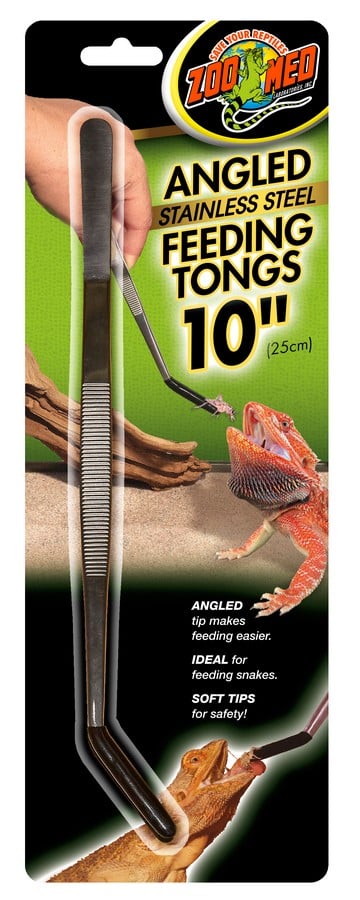
Appropriately sized crickets and dubia roaches, offered with tongs
Enclosure
An 8–12 in terrestrial enclosure for an adult, with a hide and a shallow water dish
Floor space, a hide, and a secure, well-ventilated lid; one spider is the default
Active
Mostly sitting in or near the hide; more active at night or when hungry
Temperament
A generally calm, slow-growing New World terrestrial; still a display animal, not a handling pet

A colorful Mexican terrestrial tarantula, also called the Mexican flameknee, distinct from the Mexican red-knee (Brachypelma hamorii) and the Mexican fireleg (B. boehmei) already on the site. It wants a simple terrestrial setup and insects, and it is a display animal, not a spider to hold. It is IUCN Near Threatened and CITES II (Brachypelma spp.).

Key care at a glance

  • HousingAn 8–12 in terrestrial enclosure for an adult, with a hide, a shallow water dish, and a secure lid.
  • Heat and lightA comfortable room, about 72–80°F, with a normal day–night cycle; avoid overheating.
  • HumidityA water dish and a slightly moisture-holding substrate, with good ventilation.
  • DietAppropriately sized crickets and dubia roaches, offered with tongs.
  • Identity and legalIUCN Near Threatened B1ab(i,ii,iii,iv,v) (2018/2019, decreasing). CITES II (Brachypelma spp.). Distinct from B. hamorii and B. boehmei. No permit how-to.

Quick setup checklist

  • An 8–12 in terrestrial enclosure with a hide and a water dish
  • Comfortable room temperatures, about 72–80°F; avoid overheating
  • A slightly humid, well-ventilated cage, not a wet box
  • Crickets and dubia roaches, offered with tongs
  • IUCN Near Threatened; CITES II (Brachypelma spp.)
  • Distinct from B. hamorii and B. boehmei; a display animal, not a handling pet
Want every detail? Natural history, breeding, health and more are in the full care sheet. Open full details

Supporting Sources: World Spider Catalog — Brachypelma auratum · IUCN Red List — Brachypelma auratum · CITES Appendices I, II and III · full list in Full details · full list on the full care sheet

The Painted Reptile · 18730 Oxnard St., Unit 215, Tarzana, CA 91356 · 818-654-9441 This care sheet is a general guide. Every animal is an individual, so watch yours closely and see a reptile veterinarian with any health concerns.
1

About the species

Species background & natural history

Brachypelma auratum was named by Schmidt in 1992. It is a burrowing terrestrial tarantula of parts of Guerrero, Jalisco, Michoacán, and México State, distinct from the Mexican red-knee (Brachypelma hamorii) and the Mexican fireleg (B. boehmei) already on the site. It is listed as Near Threatened on the IUCN Red List and on CITES Appendix II as part of Brachypelma spp. Captive-bred animals are the only ethical source for the pet trade. It is a generally calm display animal with urticating hairs, not a handling pet. This sheet does not give permit advice.

Physical description

Adults are medium-to-large terrestrials, typically with a dark body and bright orange “flame” markings at the knees, and a leg span often about 5–6 in (13–15 cm). Females are the long-lived sex in the hobby.

Distribution

Parts of Guerrero, Jalisco, Michoacán, and México State, Mexico, in forest habitat. Never release.

Lifespan

Males often live only a few years as adults; females commonly reach 20–25 years or more in a clean, correctly set-up enclosure.

2

Housing

Caging

  • An 8–12 in terrestrial enclosure is a sensible home for an adult, with a hide and a secure, well-ventilated lid.
  • One spider is the default.

Cage decor & substrate

  • A hide, a shallow water dish, and a substrate deep enough to sit on or burrow lightly.
  • Avoid a tall, empty, or constantly wet cage.
3

Heat, light & humidity

Temperature needs

  • A comfortable room, about 72–80°F (22–27°C); avoid overheating.

Heating & lighting

  • A normal day–night cycle is the plan; most rooms do not need a heat lamp or a UVB product.

Humidity & water

  • Provide a shallow water dish and a substrate that can hold a little moisture, with good ventilation.
  • Do not keep a stagnant, rainforest-wet box.
4

Feeding & supplements

Diet & feeding

  • Appropriately sized crickets and dubia roaches are the staple; offer them with tongs.
  • Remove uneaten prey, and do not overfeed.

Supplements

  • A varied insect diet is the main plan; this draft does not require a powdered supplement as a staple.
5

Breeding & handling

Breeding

A specialist project, and the species is CITES II. This draft does not give a breeding recipe.

Handling your new pet

  • A generally calm New World terrestrial, but it has urticating hairs.
  • This is a display animal, not a holding pet; use tongs for feeding and cage work, and avoid the hairs.
6

Health & setup

Common health issues

  • Watch for a too-wet or fouled setup, overheating, and a spider that refuses food for a long stretch without a normal molt cycle.
  • See an exotic veterinarian early if those problems appear.

Quick setup checklist

  • An 8–12 in terrestrial enclosure with a hide and a water dish
  • Comfortable room temperatures, about 72–80°F; avoid overheating
  • A slightly humid, well-ventilated cage, not a wet box
  • Crickets and dubia roaches, offered with tongs
  • IUCN Near Threatened; CITES II (Brachypelma spp.)
  • Distinct from B. hamorii and B. boehmei; a display animal, not a handling pet

Shop the setup

Supporting Sources

The Painted Reptile · 18730 Oxnard St., Unit 215, Tarzana, CA 91356 · 818-654-9441 This care sheet is a general guide. Every animal is an individual, so watch yours closely and see a reptile veterinarian with any health concerns.
Just added to your wishlist:
My Wishlist
You've just added this product to the cart:
Go to cart page