The Painted Reptile
Long-tailed Grass Lizard – Quick Care OverviewLong-tailed Grass Lizard Care Sheet – Full DetailsThe Painted Reptile · Reptile supplies, care & advice
18730 Oxnard St., Unit 215, Tarzana, CA 91356
818-654-9441 · paintedreptile.com
Painted Reptile Care Sheet

Long-tailed Grass Lizard

Takydromus sexlineatusDaudin, 1802

Also called: Six-lined grass lizard, Asian grass lizard, six-striped long-tailed lizard

Group Lizard · LacertidFamily LacertidaeWild status Least Concern (IUCN)
Last reviewed November 2026
Photo coming soon

Quick facts

PR Keeper Level · care difficulty
3/10Beginner
1 · Hardy & forgiving10 · Experts only
1–2 Very easy · 3–4 Beginner · 5–6 Intermediate · 7–8 Advanced · 9–10 Expert
PR Handler Level · temperament
Yellow – Squirmy or flighty
Extremely fragile tail and a fast, jumpy body; look, don’t grab
Green: Calm & easygoing Yellow: Squirmy or flighty Red: Known to be aggressive
Adult size
Body short; tail very long (often 10–16 in. total)
Lifespan
About 5–8 years with good care (figures vary)
Temperature
Basking 90–95°F
Daytime air 75–85°F · night mid-60s to mid-70s °F
Humidity
60–80%
Daily mist · planted, airy cage, not a swamp
Diet
Insectivore
Small, gut-loaded, dusted insects
Enclosure
24×18×24 in. min. (one or a small group of females)
Secure, planted, with fine branches at many heights
Active
Diurnal; semi-arboreal grass runner
Temperament
Fast, shy, display-first

A slim Asian lacertid with a tail much longer than its body, often marketed as a beginner pet. It is hardy if you give it a planted, escape-proof cage, a 90–95°F basking perch, UVB, and small insects — but that tail will come off if you grab it.

Key care at a glance

  • HousingAt least 24×18×24 in. for one adult or a small, carefully watched group, with a tight lid, thin branches and grasses at many heights, and a moisture-holding substrate. These lizards are escape artists.
  • Heat & lightBasking spot about 90–95°F, daytime air 75–85°F, nights in the mid-60s to mid-70s. Full-day UVB (Zoo Med ReptiSun 5.0 or 10.0 depending on distance) with shade, 10–12 hours.
  • HumidityAbout 60–80%, misted daily, with good airflow so the cage does not stay wet.
  • DietSmall gut-loaded crickets, roaches, and similar insects, dusted with calcium.
  • HandlingLook, don’t grab. The tail is built to break.

Quick setup checklist

  • Escape-proof planted enclosure at least 24×18×24 in.
  • Fine branches and grasses at many heights
  • Basking perch 90–95°F and a cooler retreat
  • Daytime UVB with shade, 10–12 hours
  • Daily misting, 60–80% humidity, with airflow
  • Small, gut-loaded, dusted insects
  • No grabbing the tail
Want every detail? Natural history, breeding, health and more are in the full care sheet. Open full details

Supporting Sources: Reptile Database — Takydromus sexlineatus · The Spruce Pets — A Guide to Caring for Pet Long-Tailed Grass Lizards · Exo Terra — Six-striped Long-tailed lizard care guide · Atlarium — Long-tailed lizard terrarium care · Jabberwock Reptiles — Long-Tailed Grass Lizard care · IUCN Red List — Takydromus sexlineatus · CITES Appendices I, II and III · full list in Full details · full list on the full care sheet

The Painted Reptile · 18730 Oxnard St., Unit 215, Tarzana, CA 91356 · 818-654-9441 This care sheet is a general guide. Every animal is an individual, so watch yours closely and see a reptile veterinarian with any health concerns.
1

About the species

Species background & natural history

Daudin named Takydromus sexlineatus in 1802. It is a common pet-trade lacertid from East and Southeast Asia, sometimes sold as a ‘starter lizard’ despite a very breakable tail.

Physical description

A small, long-tailed, six-lined lizard: the body is modest, the tail is most of the length, and the legs are built for running along stems. Total length is often in the 10–16 in. class, most of it tail.

Distribution

A wide East and Southeast Asian range in grassy, edge, and agricultural habitats. They hunt in stems and low shrubs more than on open sand.

Lifespan

Published pet figures often fall around 5–8 years when heat, UVB, and diet are right; imports that arrive thin may not reach that.

2

Housing

Caging

  • Atlarium and several UK sheets use a terrarium around 60×45×60 cm (24×18×24 in.) or larger, planted and secure.
  • Tight screen lids: sealed cable holes, and no wide gaps around sliding glass.
  • Males can be territorial: a single lizard, or females together with plenty of sight-line breaks, is safest.

Cage decor & substrate

  • Thin branches, grasses: vines, and live or silk plants at many heights, plus a small hide at ground level.
  • A water dish and a mistable plant canopy matter more than heavy rock work.
3

Heat, light & humidity

Temperature needs

  • The Spruce Pets: Exo Terra’s species guide, and other popular sheets cluster on a 90–95°F (32–35°C) basking spot, daytime air about 75–85°F (24–29°C), and a night drop into the mid-60s to mid-70s.
  • That is the target used here.

Heating & lighting

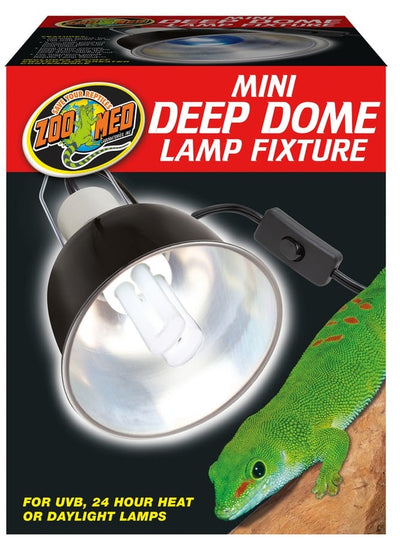
  • A low-watt Zoo Med basking bulb over a high perch: thermostat-checked, plus a UVB tube (ReptiSun 5.0 or 10.0 by distance and mesh screening) for 10–12 hours.
  • These are day-active sun-runners: UVB is not optional if you want normal bone health.

Humidity & water

  • Daily misting to 60–80% (Reptco / Jabberwock and similar guides): with ventilation so it falls again.
  • A shallow water dish is always available: they will also drink droplets.
4

Feeding & supplements

Diet & feeding

  • Small, gut-loaded insects only.
  • Feed often enough that a slim: active lizard stays rounded at the tail base, not fat and not wasted.
  • Avoid oversized prey.

Supplements

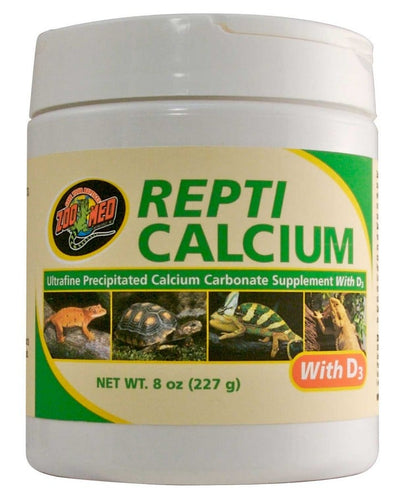
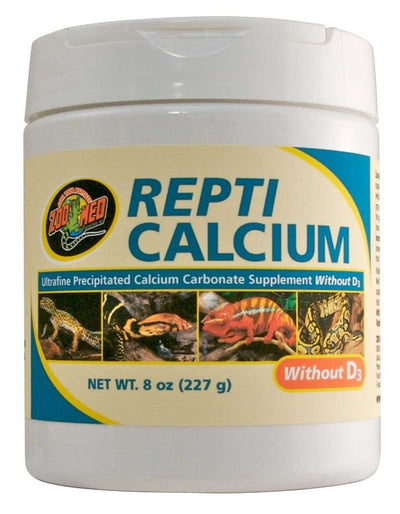
  • Dust insects with calcium most feeds: with UVB in place, use calcium without D3 most of the time and a vitamin with D3 less often.
5

Breeding & handling

Breeding

Males may fight. Only mix sexes if you want eggs and have a plan for babies that are even more fragile than the adults.

Handling your new pet

  • Do not pin or snatch at the tail.
  • If you must move the lizard, herd it into a cup.
6

Health & setup

Common health issues

  • Dropped tails, dehydration: metabolic bone disease, and weight loss in poorly started imports are the usual problems.
  • A missing tail is unsightly and costly in energy: it may regrow as a poorer copy.

Quick setup checklist

  • Escape-proof planted enclosure at least 24×18×24 in.
  • Fine branches and grasses at many heights
  • Basking perch 90–95°F and a cooler retreat
  • Daytime UVB with shade, 10–12 hours
  • Daily misting, 60–80% humidity, with airflow
  • Small, gut-loaded, dusted insects
  • No grabbing the tail

Shop the setup

Supporting Sources

The Painted Reptile · 18730 Oxnard St., Unit 215, Tarzana, CA 91356 · 818-654-9441 This care sheet is a general guide. Every animal is an individual, so watch yours closely and see a reptile veterinarian with any health concerns.
Just added to your wishlist:
My Wishlist
You've just added this product to the cart:
Go to cart page