The Painted Reptile
Large-Clawed Burrowing Scorpion – Quick Care OverviewLarge-Clawed Burrowing Scorpion Care Sheet – Full DetailsThe Painted Reptile · Reptile supplies, care & advice
18730 Oxnard St., Unit 215, Tarzana, CA 91356
818-654-9441 · paintedreptile.com
Painted Reptile Care Sheet

Large-Clawed Burrowing Scorpion

Scorpio maurusLinnaeus, 1758

Also called: Israeli gold scorpion, Scorpio maurus (species complex)

Group ScorpionFamily ScorpionidaeWild status Not Evaluated (IUCN)
Last reviewed November 2026
Photo coming soon

Quick facts

PR Keeper Level · care difficulty
2/10Very easy
1 · Hardy & forgiving10 · Experts only
1–2 Very easy · 3–4 Beginner · 5–6 Intermediate · 7–8 Advanced · 9–10 Expert
PR Handler Level · temperament
Yellow – Squirmy or flighty
A heavy-clawed burrower — it can pinch hard and can sting; move with a cup or tongs, and do not free-handle
Green: Calm & easygoing Yellow: Squirmy or flighty Red: Known to be aggressive
Adult size
A small-to-medium scorpion, often about 2.5–3.5 in (6–8 cm), with conspicuously large pincers
Lifespan
Several years in good care; published maxima vary across the complex
Temperature
A warm room, about 75–82°F by day, with a slightly cooler night
Side heat or a thermostatted ceramic if the room is cool; never a heat mat under the tank
Humidity
A dry surface with a slightly damp burrow layer
Not a rainforest-wet box; a shallow water dish and good ventilation
Diet
Carnivore
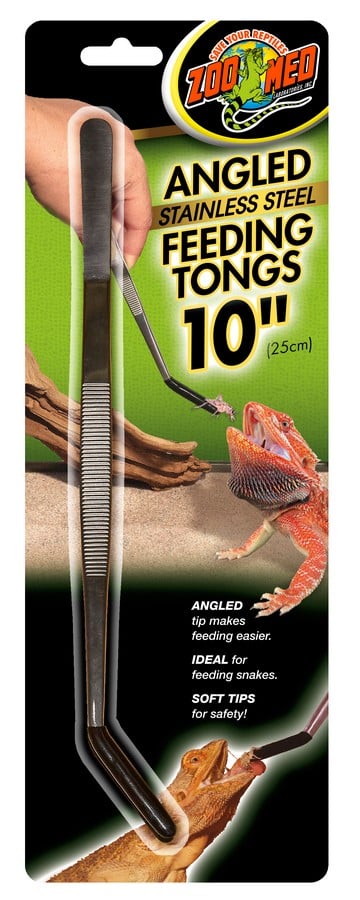
Appropriately sized crickets and dubia roaches, offered with tongs
Enclosure
A secure terrestrial enclosure with deep, packable substrate and a tight lid; a 5–10 gallon box is a practical adult start
Wide floor, several inches of burrowing substrate, and a shallow water dish; one scorpion is the default
Active
Nocturnal; spends the day in a burrow, often with a characteristic oval or crescent entrance
Temperament
A burrowing display scorpion with large claws; calmer than the medically significant buthids, but not a handling pet

A small-to-medium burrowing scorpion with very large pincers, also sold as the Israeli gold scorpion or simply as Scorpio maurus. That name now covers a species complex: several former subspecies have been raised to full species, and US trade animals are still usually labeled S. maurus. Confirm what you have when you can. Care is a deep, packable burrow, a dry surface, modest warmth, and insect meals offered with tongs. It is a display animal — it can pinch hard and can sting — but it is not in the medically significant class of the deathstalker or the Transvaal thick-tail.

Key care at a glance

  • A species complex still usually sold as Scorpio maurus.
  • A burrowerdeep substrate and a tight lid; often an oval or crescent burrow entrance.
  • Large clawsa pinch is more likely than a serious medical sting, but do not free-handle.
  • No UVB product is required; a short-use LED scorpion light is optional for viewing.

Quick setup checklist

  • Secure terrestrial cage with a tight lid and deep burrowing substrate
  • Shallow water dish; dry surface, slightly damper burrow
  • Side heat or a thermostatted ceramic if the room is cool — never a mat under the tank
  • Gut-loaded insects offered with tongs
  • No free handling; confirm the shop label if you can
Want every detail? Natural history, breeding, health and more are in the full care sheet. Open full details

Supporting Sources: The Scorpion Files — Scorpio maurus · The Scorpion Files — Scorpionidae list · Talal et al. 2015, Molecular Phylogenetics and Evolution · IUCN Red List · CITES Appendices, valid 5 March 2026 · The Painted Reptile — Emperor Scorpion Care Sheet · full list in Full details · full list on the full care sheet

The Painted Reptile · 18730 Oxnard St., Unit 215, Tarzana, CA 91356 · 818-654-9441 This care sheet is a general guide. Every animal is an individual, so watch yours closely and see a reptile veterinarian with any health concerns.
1

About the species

Species background & natural history

This was the first scorpion Linnaeus named (1758). For a long time the genus was treated as a single, very widespread species with many subspecies from North Africa and the Middle East. Later work has split a number of those taxa into full Scorpio species. The Scorpion Files still lists S. maurus, and the US trade usually still uses that label. This care sheet follows the second-150 list under Scorpio maurus and flags the identity issue, rather than guessing a narrower name for every animal sold as ‘Israeli gold’.

Physical description

Adults are often about 2.5–3.5 inches (6–8 cm), with conspicuously large, stout pincers and a relatively thick body for their length. Color varies across the complex, from yellowish or reddish-brown to much darker forms. The burrow entrance is often oval or crescent-shaped. This is a scorpionid — a burrowing, heavy-clawed scorpion — not a slender buthid.

Distribution

The historical S. maurus range was drawn very broadly across North Africa and the Middle East. Because the complex has been split, a shop label of S. maurus does not tell you the exact origin. Ask the seller what they have, and do not assume every ‘Israeli gold’ is the same species. Never release one outdoors.

Lifespan

These are several-year animals in a clean burrow, not short-lived insects. Published maxima vary across the complex, so the draft does not invent a hard number.

2

Housing

Caging

  • One adult in a secure terrestrial cage with a tight lid; a 5–10 gallon box is a practical start.
  • Several inches of packable substrate so the scorpion can dig a proper burrow.
  • A shallow, heavy water dish and simple décor so you can see the animal before you open the cage.
  • House alone as the default.

Cage decor & substrate

  • A starter hide (bark or a half-log) is useful until the burrow is established.
  • Keep décor low and simple; this is not a climbing display.
3

Heat, light & humidity

Temperature needs

  • About 75–82°F by day, with a slightly cooler night.
  • If the room is cool, use a heat pad on the side of the tank, or a ceramic heat emitter, always on a thermostat.
  • Never put a heat mat under the tank — a burrower can dig down into the heat and be burned.

Heating & lighting

  • No bright basking lamps and no UVB product. Normal room light on a day–night cycle is enough.
  • A low-output UV or LED scorpion viewing light may be used briefly to see it fluoresce, not as a constant light.

Humidity & water

  • A dry surface and a slightly damper burrow layer is the usual target — not a rainforest-wet box.
  • A shallow water dish is required; good ventilation matters.
4

Feeding & supplements

Diet & feeding

  • Gut-loaded crickets or dubia roaches, sized to the scorpion, offered with tongs.
  • Feed adults every several days to about weekly, and remove uneaten prey.
  • Never hand-feed.

Supplements

No special vitamin powder is required. Gut-loaded insects are enough.

5

Breeding & handling

Breeding

Not covered in detail here. Because identity in the complex can be mixed, do not assume two ‘S. maurus’ from different sellers are the same species.

Handling your new pet

  • Do not free-handle. The pincers can pinch hard, and it can sting.
  • Move it with a cup and a soft brush, or with long tongs, and only when you need to.
  • This is not in the same medical class as the deathstalker or the Transvaal thick-tail already drafted in this batch.
6

Health & setup

Common health issues

  • A soaked, airless cage is a common cause of trouble. Keep the surface dry and the burrow slightly damper.
  • If the scorpion is thin, refuses food for a long stretch, or has an obvious injury, ask a veterinarian who sees invertebrates.

Quick setup checklist

  • Secure terrestrial cage with a tight lid and deep burrowing substrate
  • Shallow water dish; dry surface, slightly damper burrow
  • Side heat or a thermostatted ceramic if the room is cool — never a mat under the tank
  • Gut-loaded insects offered with tongs
  • No free handling; confirm the shop label if you can

Shop the setup

Supporting Sources

The Painted Reptile · 18730 Oxnard St., Unit 215, Tarzana, CA 91356 · 818-654-9441 This care sheet is a general guide. Every animal is an individual, so watch yours closely and see a reptile veterinarian with any health concerns.
Just added to your wishlist:
My Wishlist
You've just added this product to the cart:
Go to cart page