The Painted Reptile
Helmeted Gecko – Quick Care OverviewHelmeted Gecko Care Sheet – Full DetailsThe Painted Reptile · Reptile supplies, care & advice
18730 Oxnard St., Unit 215, Tarzana, CA 91356
818-654-9441 · paintedreptile.com
Painted Reptile Care Sheet

Helmeted Gecko

Tarentola chazaliae(Steindachner, 1870)

Also called: Helmethead gecko

Group Lizard · GeckoFamily PhyllodactylidaeWild status Vulnerable (IUCN)
Last reviewed November 2026
Photo coming soon

Quick facts

PR Keeper Level · care difficulty
3/10Beginner
1 · Hardy & forgiving10 · Experts only
1–2 Very easy · 3–4 Beginner · 5–6 Intermediate · 7–8 Advanced · 9–10 Expert
PR Handler Level · temperament
Yellow – Squirmy or flighty
A small, nocturnal display gecko; too small and delicate for regular handling
Green: Calm & easygoing Yellow: Squirmy or flighty Red: Known to be aggressive
Adult size
About 3–4 in (8–10 cm) total length
Lifespan
Often 8–12 years in captivity when kept dry and warm enough at night
Temperature
Day mid 70s–mid 80s°F, with a warm hide; nights should not crash
A desert gradient, not a hot open bake; many keepers offer a slightly warm night
Humidity
30–50%, with a modest humid hide
A dry cage overall; a light mist or humid hide for shedding
Diet
Insectivore
Small gut-loaded insects
Enclosure
A 20×12×12 in (about 50×30×30 cm) or similar for one adult
Floor space and hides matter more than height; a secure lid is required
Active
Nocturnal, terrestrial
Temperament
A shy, nocturnal display gecko

A small, dry-country gecko from the Atlantic Sahara, formerly Geckonia chazaliae, with a distinctive helmet-like skull. It is a modest, dry setup compared with day geckos, but it is IUCN Vulnerable and listed on CITES Appendix II, so captive-bred animals and a careful dry, warm, low-stress cage matter.

Key care at a glance

  • HousingA modest terrestrial enclosure (about 20×12×12 in for one adult) with a dry substrate, tight hides, and a secure lid. One gecko is the simplest plan.
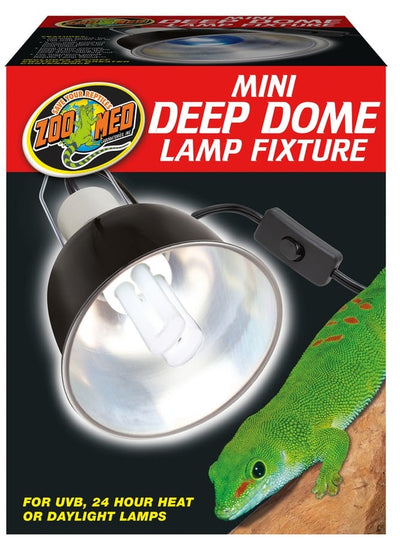
  • Heat and lightA warm hide and a gentle Zoo Med basking or halogen gradient by day (mid 80s°F at the warm end). Low-level Zoo Med UVB (a ReptiSun 5.0 with plenty of shade, or a very light dose) is the store-linked option, even though some older keepers skip UVB.
  • HumidityKeep the cage mostly dry (about 30–50%) and offer a modest humid hide for shedding. Do not keep it like a tropical gecko.
  • DietSmall gut-loaded insects, dusted with calcium.
  • Handling and legalDisplay first. IUCN Vulnerable and CITES Appendix II — captive-bred paperwork, no permit how-to.

Quick setup checklist

  • A modest, dry, escape-proof terrestrial cage with tight hides
  • A gentle Zoo Med daytime gradient and a light Zoo Med UVB dose with shade
  • A humid hide for shedding, not a wet tropical cage
  • Small gut-loaded insects and calcium
  • Captive-bred paperwork (CITES II); never release
Want every detail? Natural history, breeding, health and more are in the full care sheet. Open full details

Supporting Sources: Reptile Database — Tarentola chazaliae · IUCN Red List — Tarentola chazaliae · CITES Appendices I, II and III · full list in Full details · full list on the full care sheet

The Painted Reptile · 18730 Oxnard St., Unit 215, Tarzana, CA 91356 · 818-654-9441 This care sheet is a general guide. Every animal is an individual, so watch yours closely and see a reptile veterinarian with any health concerns.
1

About the species

Species background & natural history

Tarentola chazaliae was described by Steindachner in 1870 and was long placed in its own genus as Geckonia chazaliae. It is a small, terrestrial, nocturnal gecko of Atlantic Saharan coasts. IUCN lists it as Vulnerable (confirmed 21 November 2026). It is listed on CITES Appendix II (appendices valid 5 March 2026). Prefer captive-bred. This sheet does not give permit advice.

Physical description

Adults are only about 3–4 in (8–10 cm), stout, with a large, angular, helmet-like head, rough tuberculate skin, and a short tail. Color is usually gray, tan, or brown with darker mottling, and they can change contrast. The eyes are large, without movable lids.

Distribution

Coastal Atlantic Sahara: Morocco, Western Sahara, and Mauritania, on rocky and sandy ground near the coast. Never release.

Lifespan

Eight to twelve years is a reasonable captive expectation when temperatures and a dry setup are stable. A chronically cold or damp gecko is a common way to lose one early.

2

Housing

Caging

  • A 20×12×12 in enclosure, or a similar footprint, is a sensible start for one adult: a pair needs more floor and extra hides.
  • A secure lid is required.
  • This is a ground gecko: hides, a dry substrate, and a gentle thermal gradient matter more than height.

Cage decor & substrate

  • A dry, sandy or sandy-soil substrate: rock or cork hides that the gecko can press into, and a small water dish.
  • A modest humid hide (damp moss in a cave) helps shedding.
  • Avoid a jungle-planted, constantly wet cage.
3

Heat, light & humidity

Temperature needs

  • A warm-end surface in the mid 80s°F (about 29–30°C): with a cooler end in the mid 70s°F, is a typical daytime gradient.
  • Many keepers also keep nights from falling into the 60s°F.
  • Measure hides, not only the air.

Heating & lighting

  • A low-watt Zoo Med basking bulb: thermostat- or distance-controlled, can create the warm hide and a daytime gradient.
  • This draft also links a Zoo Med ReptiSun 5.0 used with plenty of shade: or a very light UVB dose, as the store option; some older keepers skip UVB and rely on powders, which is a disagreement.
  • An Exo Terra ceramic heater: on a thermostat, is a clean way to hold night ambient if the room is cold.
  • Lights off at night.
  • No colored bulbs as the only heat.

Humidity & water

  • Keep the cage mostly dry (about 30–50%).
  • Offer a modest humid hide and a small water dish.
  • A light occasional mist is enough: daily tropical misting is the wrong model.
4

Feeding & supplements

Diet & feeding

  • Small gut-loaded crickets and roaches are the staple.
  • Feed at night.
  • Do not leave uneaten crickets in with a resting gecko.

Supplements

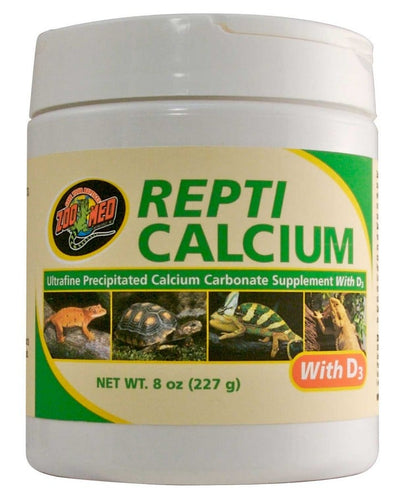
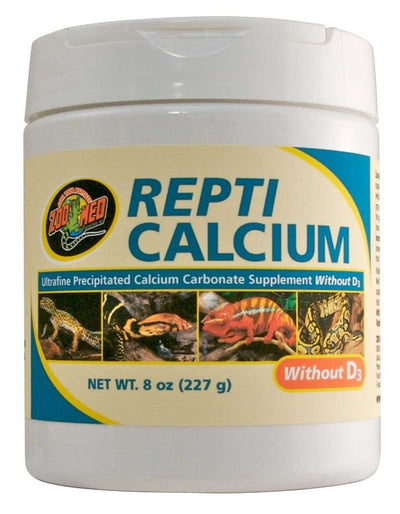
  • Dust insects with calcium without D3 on most feeds if UVB is provided: and a vitamin or calcium with D3 on a lighter schedule.
  • If UVB is not used, the D3 plan has to do more of the work: which is why this draft prefers a light UVB dose.
5

Breeding & handling

Breeding

Possible in a dry, well-hidden setup. This draft does not give a full breeding recipe.

Handling your new pet

  • A small display gecko.
  • It can drop its tail and is easily stressed.
  • Look, don't grab.
  • Move it, if you must, in a cup.
6

Health & setup

Common health issues

  • Watch for stuck shed: a thin tail, lethargy, and signs of being kept too cold or too wet.
  • See a reptile veterinarian early.

Quick setup checklist

  • A modest, dry, escape-proof terrestrial cage with tight hides
  • A gentle Zoo Med daytime gradient and a light Zoo Med UVB dose with shade
  • A humid hide for shedding, not a wet tropical cage
  • Small gut-loaded insects and calcium
  • Captive-bred paperwork (CITES II); never release

Shop the setup

Supporting Sources

The Painted Reptile · 18730 Oxnard St., Unit 215, Tarzana, CA 91356 · 818-654-9441 This care sheet is a general guide. Every animal is an individual, so watch yours closely and see a reptile veterinarian with any health concerns.
Just added to your wishlist:
My Wishlist
You've just added this product to the cart:
Go to cart page