The Painted Reptile
Gulf Coast Toad – Quick Care OverviewGulf Coast Toad Care Sheet – Full DetailsThe Painted Reptile · Reptile supplies, care & advice
18730 Oxnard St., Unit 215, Tarzana, CA 91356
818-654-9441 · paintedreptile.com
Painted Reptile Care Sheet

Gulf Coast Toad

Incilius nebulifer(Girard, 1854)

Also called: Coastal plain toad

Group ToadFamily BufonidaeWild status Least Concern (IUCN)
Last reviewed November 2026
Photo coming soon

Quick facts

PR Keeper Level · care difficulty
2/10Very easy
1 · Hardy & forgiving10 · Experts only
1–2 Very easy · 3–4 Beginner · 5–6 Intermediate · 7–8 Advanced · 9–10 Expert
PR Handler Level · temperament
Yellow – Squirmy or flighty
A hardy toad with delicate, permeable skin and irritating secretions; handle only when needed, then wash
Green: Calm & easygoing Yellow: Squirmy or flighty Red: Known to be aggressive
Adult size
About 2–4 in (5–10 cm); females often larger
Lifespan
Often 6–10+ years in a clean, simple terrestrial setup
Temperature
A comfortable room, about 65–80°F
Avoid overheating; this is a Gulf and coastal-plain toad, not a desert animal
Humidity
40–70%
A moist hide and a shallow water dish; the surface can be a little drier than a rainforest cage
Diet
Insectivore
Gut-loaded crickets, dubia roaches, and other appropriately sized insects, lightly supplemented
Enclosure
A 10–20 gallon long tank or tub for one or two adults
Floor space, a moist hide, a shallow water dish, and a secure lid
Active
Nocturnal; hides by day
Temperament
A hardy, often calm toad; still an observation pet more than a frequent-handling animal

A hardy toad of the Gulf Coastal Plain and nearby Mexico, also called the coastal plain toad. It was formerly Bufo nebulifer and, in part, Bufo valliceps. It is an Incilius, not a Rhinella or Rhaebo, so it is not a 14 CCR 671 toad. It wants a simple terrestrial setup, a moist hide, and insects, and it is a pet to watch more than to hold.

Key care at a glance

  • HousingA 10–20 gallon long tank or tub, with a moist hide, a shallow water dish, and a secure lid.
  • Heat and lightA comfortable room, about 65–80°F, with a normal day–night cycle; avoid overheating.
  • HumidityA moist hide and a shallow water dish; the surface can be a little drier than a rainforest cage.
  • DietGut-loaded crickets, dubia roaches, and other appropriately sized insects, lightly supplemented.
  • Identity and legalIUCN Least Concern. Not CITES-listed. Formerly Bufo nebulifer; not a 14 CCR 671 Rhinella or Rhaebo. No permit how-to.

Quick setup checklist

  • A 10–20 gallon terrestrial setup with a moist hide and a shallow water dish
  • Comfortable room temperatures, about 65–80°F; avoid overheating
  • A moist hide, not a rainforest-wet box
  • Gut-loaded insects, lightly supplemented
  • IUCN Least Concern; not CITES-listed
  • Formerly Bufo nebulifer; not a 14 CCR 671 Rhinella or Rhaebo
Want every detail? Natural history, breeding, health and more are in the full care sheet. Open full details

Supporting Sources: AmphibiaWeb — Incilius nebulifer · IUCN Red List — Incilius nebulifer · CITES Appendices I, II and III · full list in Full details · full list on the full care sheet

The Painted Reptile · 18730 Oxnard St., Unit 215, Tarzana, CA 91356 · 818-654-9441 This care sheet is a general guide. Every animal is an individual, so watch yours closely and see a reptile veterinarian with any health concerns.
1

About the species

Species background & natural history

Incilius nebulifer was named by Girard (the second-150 list uses 1854; the IUCN page uses 1843). It was long known as Bufo nebulifer and was formerly lumped in part with Bufo valliceps. It is a common toad of the Gulf Coastal Plain of the United States and adjacent Mexico. It is an Incilius, not a Rhinella or Rhaebo, so it is not a California 14 CCR 671 toad. This sheet states that as a fact and does not give permit advice. Never release, and do not collect from the wild as a substitute for a care plan.

Physical description

Adults are typically about 2–4 in (5–10 cm), brown to gray, often with a light mid-dorsal stripe and prominent cranial crests. Females are often larger. This is a typical terrestrial toad, not a climbing tree frog.

Distribution

The Gulf Coastal Plain of the United States and adjacent Mexico, in a wide range of habitats, including disturbed ground. Never release.

Lifespan

Six to ten years or more is a reasonable plan in a clean, simple terrestrial setup, on a steady insect diet.

2

Housing

Caging

  • A 10–20 gallon long tank or tub is a sensible home for one or two adults.
  • Floor space, a moist hide, a shallow water dish, and a secure lid are the point of the cage.

Cage decor & substrate

  • A burrowing substrate, a moist hide, and a shallow water dish.
  • Avoid a dry, bare cage and a deep water bowl.
3

Heat, light & humidity

Temperature needs

  • A comfortable room, about 65–80°F (18–27°C); avoid overheating.

Heating & lighting

  • A normal day–night cycle is the plan; most rooms do not need a strong heat lamp.
  • Low-level UVB is optional; this draft follows the existing toad product pattern and does not require a UVB product.

Humidity & water

  • Provide a moist hide and a shallow dish of dechlorinated water, with humidity about 40–70%.
  • The surface can be a little drier than a rainforest frog cage; do not leave a stagnant wet box.
4

Feeding & supplements

Diet & feeding

  • Gut-loaded crickets, dubia roaches, and other appropriately sized insects are the staple.
  • Feed in the evening, when the toad is active, and do not leave uneaten prey to foul the cage.

Supplements

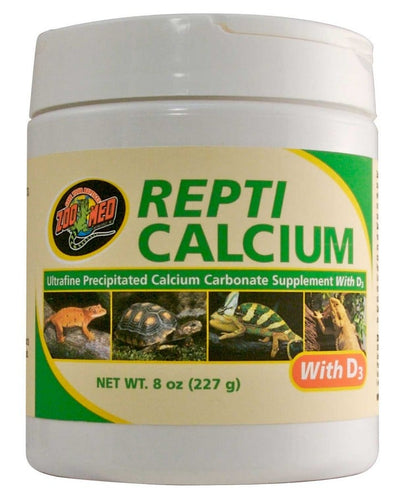
  • A light dusting of calcium with D3, plus a modest multivitamin on a schedule.
5

Breeding & handling

Breeding

A specialist project. This draft does not give a breeding recipe, and it does not advise collecting from the wild.

Handling your new pet

  • Hardy, but the skin is permeable and the secretions can irritate eyes and cuts.
  • Handle only when needed, then wash; this is not a frequent-handling pet.
6

Health & setup

Common health issues

  • Watch for a fouled or too-wet setup, overheating, and a toad that stops eating or sits in the open by day.
  • See a reptile or amphibian veterinarian early if those problems appear.

Quick setup checklist

  • A 10–20 gallon terrestrial setup with a moist hide and a shallow water dish
  • Comfortable room temperatures, about 65–80°F; avoid overheating
  • A moist hide, not a rainforest-wet box
  • Gut-loaded insects, lightly supplemented
  • IUCN Least Concern; not CITES-listed
  • Formerly Bufo nebulifer; not a 14 CCR 671 Rhinella or Rhaebo

Shop the setup

Supporting Sources

The Painted Reptile · 18730 Oxnard St., Unit 215, Tarzana, CA 91356 · 818-654-9441 This care sheet is a general guide. Every animal is an individual, so watch yours closely and see a reptile veterinarian with any health concerns.
Just added to your wishlist:
My Wishlist
You've just added this product to the cart:
Go to cart page