The Painted Reptile
Green Anole – Quick Care OverviewGreen Anole Care Sheet – Full DetailsThe Painted Reptile · Reptile supplies, care & advice
18730 Oxnard St., Unit 215, Tarzana, CA 91356
818-654-9441 · paintedreptile.com
Painted Reptile Care Sheet

Green Anole

Anolis carolinensisVoigt, 1832

Also called: Carolina anole, ‘American chameleon’

Group Reptile · LizardFamily Anolidae (also placed in Dactyloidae)Wild status Least Concern (IUCN) · Not CITES-listed
Last reviewed November 2026
Photo coming soon

Quick facts

PR Keeper Level · care difficulty
2/10Very easy
1 · Hardy & forgiving10 · Experts only
1–2 Very easy · 3–4 Beginner · 5–6 Intermediate · 7–8 Advanced · 9–10 Expert
PR Handler Level · temperament
Yellow – Squirmy or flighty
A display lizard – fast and fragile; may drop its tail if grabbed
Green: Calm & easygoing Yellow: Squirmy or flighty Red: Known to be aggressive
Adult size
6–8 in. (incl. tail)
Lifespan
4–8 yrs (up to ~10)
Temperature
65–92°F
Basking 88–92°F · cool 70–78°F · night 65–75°F
Humidity
60–80%
Mist morning and evening
Diet
Insectivore
Small crickets, roaches, flies, larvae
Enclosure
24×24×24 in. (min. 18×18×24)
Tall, planted, well ventilated
Active
Day (diurnal) · climbing
Temperament
Active, skittish, territorial males

A small, quick tree lizard native to the southeastern U.S. that shifts between green and brown, and whose males flash a pink-to-orange throat fan (dewlap). Green anoles are inexpensive and easy to feed, but they still need a tall, planted, humid enclosure with real UVB and heat – and they are best enjoyed as display animals.

Key care at a glance

  • EnclosureAt least 18×18×24 in. for one; ReptiFiles recommends 24×24×24 in. or larger, tall and planted.
  • HousingNever keep two males together; ReptiFiles advises one anole per enclosure.
  • HeatBasking branch about 88–92°F, cool zone 70–78°F, nights 65–75°F.
  • UVBA linear T5 HO 5.0/6% UVB tube over most of the enclosure, about 12 hours a day.
  • Humidity60–80%, misting morning and evening; they drink droplets from leaves.
  • FoodSmall insects – juveniles daily, adults every other day or 3–5 times a week.
  • SupplementsDust insects with calcium at most feedings and a multivitamin weekly.

Quick setup checklist

  • 24×24×24 in. tall enclosure
  • Soil–coco substrate + leaf litter
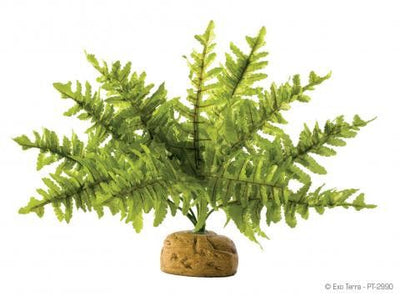
  • Branches, vines, live plants
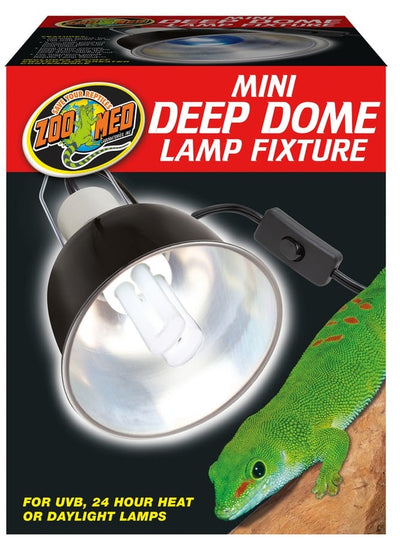
  • Heat bulb + dome
  • T5 HO UVB fixture
  • Mister + thermometer/hygrometer
  • Small live insects
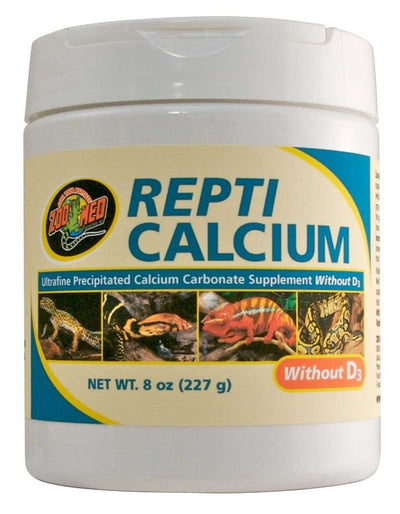
  • Calcium + multivitamin
Want every detail? Natural history, breeding, health and more are in the full care sheet. Open full details

Supporting Sources: ReptiFiles · Tree of Life Exotic Pet Medical Center · Reptiles Magazine · IUCN status · full list in Full details · full list on the full care sheet

The Painted Reptile · 18730 Oxnard St., Unit 215, Tarzana, CA 91356 · 818-654-9441 This care sheet is a general guide. Every animal is an individual, so watch yours closely and see a reptile veterinarian with any health concerns.
1

About the species

Species background & natural history

Described by Voigt in 1832. Some references use the family Dactyloidae (formerly Polychrotidae); the Reptile Database uses Anolidae.

Green anoles are common and cheap in the U.S. pet trade, which ReptiFiles warns has led to a lot of poor care.

Wild status: Least Concern (IUCN, via GBIF); not CITES-listed.

Physical description

A slim, agile lizard with a narrow pointed head, long thin tail and sticky toe pads (ReptiFiles).

  • Size: about 6–8 in. including the tail (ReptiFiles).
  • Color: bright green to brown depending on temperature, stress, activity and social signals – color change alone isn’t a sign of illness (Tree of Life).
  • Males: have a large pink-to-orange dewlap (ReptiFiles).
  • Females: and juveniles often show a pale stripe down the back (ReptiFiles).

Distribution

Native to the southeastern United States; also found in Hawaii, coastal southern California and some Pacific islands (ReptiFiles). Tree of Life notes the range extends into the Caribbean. A semi-arboreal ‘trunk-crown’ lizard of warm forests (ReptiFiles).

Lifespan

Tree of Life Exotics says green anoles typically live 4–8 years; ReptiFiles says up to 10 years or more with good care.

2

Housing

Caging

  • Size: minimum 18×18×24 in. for one adult (Tree of Life); ReptiFiles recommends 24×24×24 in. or larger.
  • Type: tall, front-opening, well ventilated and secure – anoles are escape artists (Tree of Life; ReptiFiles).
  • Males: never house adult males together – they fight (Tree of Life). Females can sometimes share a large, well-planted enclosure; ReptiFiles advises one per enclosure.
  • Burn risk: anoles climb upside-down on mesh – keep heat lamps raised or use a lamp stand (ReptiFiles).

Cage decor & substrate

  • Substrate: about 2 in. of fertilizer-free topsoil, coconut fiber or cypress mix, with leaf litter (ReptiFiles; Tree of Life).
  • Avoid: sand, calcium sand, walnut shell, gravel, cedar and pine (Tree of Life).
  • Climbing: plenty of branches, vines and cork at all heights (Tree of Life; ReptiFiles).
  • Plants: dense live or artificial plants; safe live choices include pothos, dracaena, ficus, bromeliads and spider plant (ReptiFiles).
3

Heat, light & humidity

Temperature needs

  • Basking: 88–92°F (Tree of Life); ReptiFiles says about 90°F.
  • Warm side: 80–85°F (Tree of Life).
  • Cool side: 70–78°F (ReptiFiles 70–77°F; Tree of Life 72–78°F).
  • Night: 65–75°F (ReptiFiles; Tree of Life 68–75°F).
  • Never: heat rocks – they cause burns (Tree of Life).

Heating & lighting

  • UVB: a linear T5 HO 5–6% UVB tube spanning much of the enclosure; compact coil bulbs are not recommended as the main source (Tree of Life; ReptiFiles). Replace about every 12 months (Tree of Life).
  • Heat: an incandescent heat bulb over a basking branch (ReptiFiles).
  • Light cycle: about 12 hours (Tree of Life); ReptiFiles suggests 14 in summer and 10 in winter.
  • Brightness: extra daylight lighting helps live plants and activity (ReptiFiles).

Humidity & water

  • Humidity: 60–80% (Tree of Life); ReptiFiles gives 60–70% average, higher at night.
  • Misting: mist morning and evening; anoles drink droplets from leaves (ReptiFiles; Tree of Life).
  • Water: still keep a shallow water dish, ideally on a ledge (Tree of Life; ReptiFiles).
  • Airflow: good ventilation – damp, stagnant air causes illness (ReptiFiles).
4

Feeding & supplements

Diet & feeding

  • Insects: crickets, small dubia or other roach nymphs, black soldier fly larvae, silkworms, small hornworms, fruit flies and house or bottle flies (Tree of Life; ReptiFiles).
  • Size: no bigger than the space between the anole’s eyes (Tree of Life).
  • How often: juveniles daily; adults every other day (ReptiFiles) or 3–5 times a week (Tree of Life).
  • Treats: mealworms and waxworms only occasionally (Tree of Life).
  • Gut-load: feed insects well for 24–48 hours first (Tree of Life; ReptiFiles).

Supplements

  • Calcium: phosphorus-free calcium at most feedings (Tree of Life).
  • Multivitamin: once a week (Tree of Life); ReptiFiles uses a calcium-plus-multivitamin product at each feeding.
  • D3: only needed without proper UVB, and then under vet guidance (Tree of Life).
5

Breeding & handling

Breeding

  • Females: can develop egg binding (Tree of Life).
  • Note: keep males apart; ask us before trying to breed.

Handling your new pet

  • Display animal: frequent handling causes stress (Tree of Life; ReptiFiles).
  • Tail: can drop the tail if grabbed; the regrown tail is different and costs the lizard energy (Tree of Life).
  • Bond with food: offer insects with soft-tipped tongs after a two-week settling-in period (ReptiFiles).
  • Hygiene: wash hands after contact – Salmonella risk.
6

Health & setup

Common health issues

  • Common problems: metabolic bone disease, parasites, dehydration, stuck shed, mouth and respiratory infections, burns, injuries and egg binding (Tree of Life).
  • Stuck shed: constricting skin on toes or tail needs a vet if it doesn’t come off on its own (Tree of Life).
  • See a vet: if it stops eating for over a week, loses weight, struggles to climb or breathes with its mouth open (Tree of Life).
  • Checkups: every 6–12 months, with a yearly fecal test (Tree of Life).

Quick setup checklist

  • 24×24×24 in. tall enclosure
  • Soil–coco substrate + leaf litter
  • Branches, vines, live plants
  • Heat bulb + dome
  • T5 HO UVB fixture
  • Mister + thermometer/hygrometer
  • Small live insects
  • Calcium + multivitamin

Shop the setup

Supporting Sources

  • ReptiFiles – Green anole care sheet (description, range, lifespan, enclosure, UVB, temperatures, humidity, substrate, plants, feeding, supplements, handling): reptifiles.com
  • Tree of Life Exotic Pet Medical Center – Green & brown anole care (color change, lifespan, enclosure, substrate, temperatures, humidity, UVB, diet, supplements, handling, social housing, health): treeoflifeexotics.vet
  • Reptiles Magazine – Green anole care sheet: reptilesmagazine.com
  • IUCN status via GBIF (Least Concern); CITES: not listed (Species+)
The Painted Reptile · 18730 Oxnard St., Unit 215, Tarzana, CA 91356 · 818-654-9441 This care sheet is a general guide. Every animal is an individual, so watch yours closely and see a reptile veterinarian with any health concerns.
Just added to your wishlist:
My Wishlist
You've just added this product to the cart:
Go to cart page