The Painted Reptile
Gray-banded Kingsnake – Quick Care OverviewGray-banded Kingsnake Care Sheet – Full DetailsThe Painted Reptile · Reptile supplies, care & advice
18730 Oxnard St., Unit 215, Tarzana, CA 91356
818-654-9441 · paintedreptile.com
Painted Reptile Care Sheet

Gray-banded Kingsnake

Lampropeltis alterna(Brown, 1901)

Also called: Blair's kingsnake (a pattern form of the same species)

Group Snake · ColubridFamily ColubridaeWild status Least Concern (IUCN)
Last reviewed November 2026
Photo coming soon

Quick facts

PR Keeper Level · care difficulty
3/10Beginner
1 · Hardy & forgiving10 · Experts only
1–2 Very easy · 3–4 Beginner · 5–6 Intermediate · 7–8 Advanced · 9–10 Expert
PR Handler Level · temperament
Yellow – Squirmy or flighty
Usually handleable in short sessions once settled, but often more secretive and sometimes more defensive than a typical California kingsnake
Green: Calm & easygoing Yellow: Squirmy or flighty Red: Known to be aggressive
Adult size
About 2–4 ft (60–120 cm)
Lifespan
Often 15–20+ years in a dry, rocky, correctly warmed cage
Temperature
Warm end about 84–88°F · cooler end mid 70s°F
A modest, dry, rocky gradient with tight hides
Humidity
30–50%
A mostly dry cage, a water bowl, and a modest humid hide for shedding
Diet
Carnivore
Appropriately sized frozen-thawed rodents; some individuals are picky, especially as juveniles
Enclosure
A 30–40 gal long terrestrial enclosure, or similar floor space, for an adult
Floor space, tight hides, and a rocky, dry setup; one snake is the default
Active
Nocturnal to crepuscular, terrestrial and rock-dwelling
Temperament
A secretive, rock-dwelling kingsnake; usually settles, but not as consistently easygoing as a California kingsnake

A vividly banded, rock-dwelling kingsnake of the Chihuahuan Desert and nearby limestone hills. Blair's and alterna pattern forms are the same species. It is usually a little more specialized than the California, desert, or Florida kingsnakes already on the site. IUCN Least Concern; not listed on CITES.

Key care at a glance

  • HousingA 30–40 gal long terrestrial enclosure, or similar, with tight hides and a dry, rocky look. One snake per enclosure.
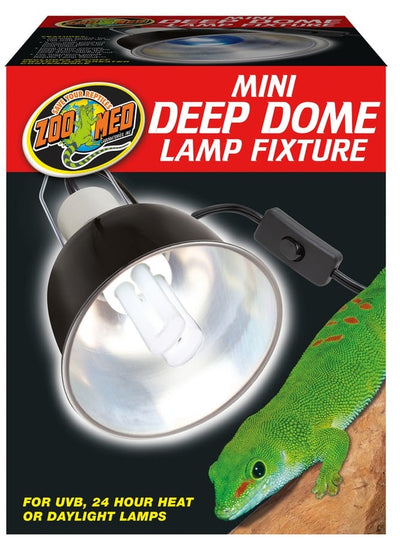
  • HeatA Zoo Med warm end about 84–88°F, cooler end mid 70s°F. UVB is optional; this draft does not require it.
  • HumidityAbout 30–50%, mostly dry, with a water bowl and a modest humid hide for shedding.
  • DietAppropriately sized frozen-thawed rodents. Some juveniles are picky.
  • Identity and legalBlair's and alterna are the same species (L. alterna). IUCN LC; not CITES. Distinct from California, desert, and Florida kingsnakes and from the eastern milksnake.

Quick setup checklist

  • A 30–40 gal long, dry, rocky enclosure with tight hides
  • A Zoo Med 84–88°F warm end
  • Humidity 30–50% with a modest humid hide
  • Frozen-thawed rodents; some juveniles are picky
  • One snake; Blair's and alterna are the same species
Want every detail? Natural history, breeding, health and more are in the full care sheet. Open full details

Supporting Sources: Reptile Database — Lampropeltis alterna · IUCN Red List — Lampropeltis alterna · CITES Appendices I, II and III · full list in Full details · full list on the full care sheet

The Painted Reptile · 18730 Oxnard St., Unit 215, Tarzana, CA 91356 · 818-654-9441 This care sheet is a general guide. Every animal is an individual, so watch yours closely and see a reptile veterinarian with any health concerns.
1

About the species

Species background & natural history

Lampropeltis alterna was named by Brown in 1901. Blair's kingsnake is a pattern form of the same species, not a separate species. IUCN lists L. alterna as Least Concern (confirmed 21 November 2026). It is not listed on CITES (appendices valid 5 March 2026). Distinct from the California, desert, and Florida kingsnakes already on the site, and from the eastern milksnake in this same batch. This sheet does not give permit advice. Never release.

Physical description

Adults are typically about 2–4 ft (60–120 cm), slender, with a gray or silver ground and contrasting orange, red, or black bands. The 'Blair's' look is usually a wider, more colorful banded pattern; the 'alterna' look is often thinner or more broken bands on gray. Both are L. alterna.

Distribution

The Chihuahuan Desert and nearby limestone and rocky hills in west Texas, adjacent Mexico, and nearby regions. Never release.

Lifespan

Fifteen to twenty years or more is a reasonable plan in a dry, rocky, correctly warmed cage with regular frozen-thawed meals.

2

Housing

Caging

  • A 30–40 gal long enclosure: or similar floor space, is a sensible adult home.
  • Provide several tight hides: this is a rock-dwelling snake that wants to disappear.
  • One adult per enclosure.

Cage decor & substrate

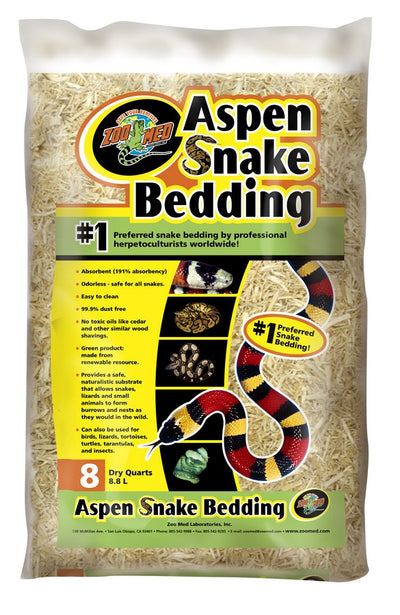
  • A dry, sandy-soil or similar mix: stacked cork or rock-like hides (stable, not collapse-prone), and a small water dish.
  • A modest humid hide helps shedding.
  • Avoid a constantly wet cage.
3

Heat, light & humidity

Temperature needs

  • A warm end about 84–88°F (29–31°C): with a cooler end in the mid 70s°F (about 23–25°C). Night can fall into the low 70s°F.

Heating & lighting

  • A low-watt Zoo Med basking bulb can create the warm end.
  • An Exo Terra ceramic heater may hold night ambient in a cold room, on a thermostat.
  • UVB is optional and not required in this draft.
  • Lights off at night.
  • No colored bulbs as the only heat.

Humidity & water

  • Keep the cage mostly dry (about 30–50%).
  • Provide a water bowl and a modest humid hide for shedding.
  • Do not use a tropical misting routine.
4

Feeding & supplements

Diet & feeding

  • Appropriately sized frozen-thawed rodents.
  • Some juveniles are picky and may need smaller or scented prey at first.
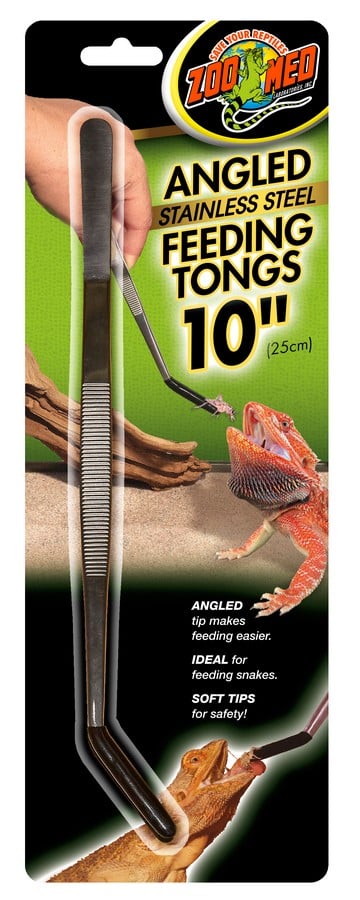
  • Feed with tongs.
  • Do not use live prey as the routine.
  • Never house with other snakes.

Supplements

  • Whole prey usually does not need extra powder.
5

Breeding & handling

Breeding

A specialist project. This draft does not give a breeding or brumation recipe.

Handling your new pet

  • Usually handleable in short sessions once settled: but often more secretive and sometimes more defensive than a typical California kingsnake.
  • Support the body.
  • Wash your hands after.
6

Health & setup

Common health issues

  • Watch for retained shed: a thin mid-body, and refusal in a picky juvenile.
  • See a reptile veterinarian early if meals stop.

Quick setup checklist

  • A 30–40 gal long, dry, rocky enclosure with tight hides
  • A Zoo Med 84–88°F warm end
  • Humidity 30–50% with a modest humid hide
  • Frozen-thawed rodents; some juveniles are picky
  • One snake; Blair's and alterna are the same species

Shop the setup

Supporting Sources

The Painted Reptile · 18730 Oxnard St., Unit 215, Tarzana, CA 91356 · 818-654-9441 This care sheet is a general guide. Every animal is an individual, so watch yours closely and see a reptile veterinarian with any health concerns.
Just added to your wishlist:
My Wishlist
You've just added this product to the cart:
Go to cart page