The Painted Reptile
Gold Dust Day Gecko – Quick Care OverviewGold Dust Day Gecko Care Sheet – Full DetailsThe Painted Reptile · Reptile supplies, care & advice
18730 Oxnard St., Unit 215, Tarzana, CA 91356
818-654-9441 · paintedreptile.com
Painted Reptile Care Sheet

Gold Dust Day Gecko

Phelsuma laticauda(Boettger, 1880)

Also called: Gold dust day gecko; two subspecies, P. l. laticauda and P. l. angularis, are recognized

Group Lizard · GeckoFamily GekkonidaeWild status Least Concern (IUCN)
Last reviewed November 2026
Photo coming soon

Quick facts

PR Keeper Level · care difficulty
4/10Beginner
1 · Hardy & forgiving10 · Experts only
1–2 Very easy · 3–4 Beginner · 5–6 Intermediate · 7–8 Advanced · 9–10 Expert
PR Handler Level · temperament
Yellow – Squirmy or flighty
Delicate skin that tears if grabbed; a display gecko, not a handling pet
Green: Calm & easygoing Yellow: Squirmy or flighty Red: Known to be aggressive
Adult size
About 4–6 in. total
Lifespan
Often 8–15 years with good care
Temperature
Basking 86–90°F
Daytime air mid-70s to low 80s °F · night ~70–75°F
Humidity
40–70%
Mist daily · allow some drying between mists
Diet
Omnivore
Prepared gecko diet plus small, dusted insects
Enclosure
18×18×24 in. min. (one adult)
Tall, planted, escape-proof · height matters
Active
Diurnal; arboreal
Temperament
Alert, jumpy, better watched than held

A smaller, bright day gecko from Madagascar, distinct from the giant day gecko already on the site. It needs a tall, planted, escape-proof cage, real UVB, a warm basking perch, and daily misting. Enjoy the colors — do not plan on handling it.

Key care at a glance

  • HousingA practical minimum for one adult is 18×18×24 in. (about 45×45×60 cm), taller rather than longer, with a locked, gap-free lid. Screen holes and door gaps must be sealed — these are escape artists.
  • Heat & lightA basking perch around 86–90°F (about 30–32°C), cooler leafy retreats in the mid-70s, and nights around 70–75°F. Linear UVB targeting about UVI 3–4 at the basking perch, with deep shade, plus bright visible light, 12 hours a day.
  • HumidityRoughly 40–70% (some vets prefer 60–80%), misted once or twice daily so the gecko can drink droplets, then allowed to dry a little.
  • DietA complete powdered gecko diet (e.g. Pangea) on a high ledge, plus small gut-loaded insects dusted with calcium a few times a week.
  • HandlingDisplay only. Their skin tears if you grab them.

Quick setup checklist

  • Tall, escape-proof enclosure at least 18×18×24 in. for one adult
  • Planted climbing décor, hides, and a high feeding ledge
  • UVB with about UVI 3–4 at the basking perch, plus shade
  • Basking perch 86–90°F and a cooler retreat
  • Daily misting and a complete powdered gecko diet plus small insects
  • Calcium plan that matches whether UVB is actually in use
  • No routine handling
Want every detail? Natural history, breeding, health and more are in the full care sheet. Open full details

Supporting Sources: Reptile Database — Phelsuma laticauda · IUCN Red List — Phelsuma laticauda · John’s Exotics — Gold Dust Day Gecko care · Tree of Life Exotic Pet Medical Center — Gold Dust Day Gecko care sheet · Monkfield Reptile — Gold Dust Day Gecko care sheet · Blackwater Botanical Aquariums — P. laticauda habitat and care · CITES Appendices I, II and III · full list in Full details · full list on the full care sheet

The Painted Reptile · 18730 Oxnard St., Unit 215, Tarzana, CA 91356 · 818-654-9441 This care sheet is a general guide. Every animal is an individual, so watch yours closely and see a reptile veterinarian with any health concerns.
1

About the species

Species background & natural history

Boettger described Phelsuma laticauda in 1880. It is a smaller species than the giant day gecko (P. grandis) already sheeted here. Two subspecies, P. l. laticauda and P. l. angularis, are recognized; the usual pet-trade animal is the nominate form.

Physical description

A compact, bright green day gecko, usually 4–6 in. including the tail, dusted with gold flecks on the neck and back and marked with reddish spots. Like other Phelsuma, it has a fragile, almost satiny skin.

Distribution

Northern Madagascar and some nearby islands; introduced in a few tropical areas outside that range. Never release one.

Lifespan

Monkfield’s 2022 care sheet gives about 15 years as a potential lifespan. Many pet animals live 8–12 years if UVB, calcium, and humidity are right.

2

Housing

Caging

  • John’s Exotics and several UK keepers use a 45×45×60 cm (18×18×24 in.) bioactive glass enclosure as a minimum: sometimes for a pair; Tree of Life Exotic Pet Medical Center uses the same 18×18×24 in. vertical minimum for 1–2 geckos.
  • That is smaller than the giant day gecko sheet (24×24×48 in.), which is appropriate for this smaller species.
  • Taller is better.
  • One gecko, or a carefully chosen pair, is simplest: adult males should not be housed together.

Cage decor & substrate

  • Live or silk plants: cork and bamboo tubes, diagonal branches, and a high feeding ledge.
  • A drainage layer and moisture-holding substrate work well in a bioactive setup.
  • Leave a shaded retreat near the warm perch so the gecko does not have to cross open glass to hide.
3

Heat, light & humidity

Temperature needs

  • John’s Exotics: ambient 22–26°C (72–79°F): basking 28–32°C (82–90°F), night about 18°C (64°F). Monkfield: background 72–77°F, hot spot 86–90°F, night 70–77°F. Tree of Life: day 78–82°F, basking 85–88°F, night 72–75°F. This draft uses a basking perch of 86–90°F, a cooler retreat in the mid-70s, and nights around 70–75°F (a short drop into the high 60s is acceptable if the gecko can warm up in the morning).

Heating & lighting

  • UVB is required, not optional.
  • Several sources target UVI about 3–4 at the basking perch (Monkfield: Reptile Cymru, Blackwater / ReptiFiles notes).
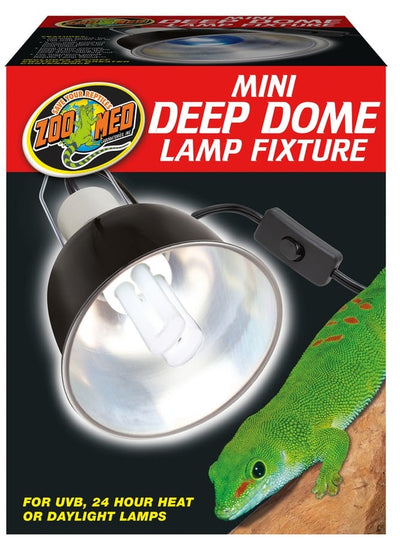
  • A Zoo Med ReptiSun 5.0 T5 (or equivalent) over a mesh lid: plus a low-watt Zoo Med basking bulb if the perch is otherwise too cool, both on a 12-hour cycle.
  • Guard any lamp the gecko could jump onto.
  • Replace UVB bulbs on the manufacturer’s schedule.

Humidity & water

  • Mist once or twice daily so droplets sit on leaves and glass (they drink these).
  • John’s Exotics uses 40–60%: Monkfield 50–70%; Tree of Life 60–80%.
  • This draft uses 40–70% with a daily swing: not a permanent steam bath.
  • A small water cup is optional: droplets do most of the drinking.
4

Feeding & supplements

Diet & feeding

  • A complete powdered gecko diet such as Pangea: offered on a high ledge and replaced often, is the staple in modern day-gecko keeping (John’s Exotics).
  • Add small, gut-loaded insects (crickets: roaches, fruit flies) a couple of times a week.
  • Fruit is a treat, not a meal.

Supplements

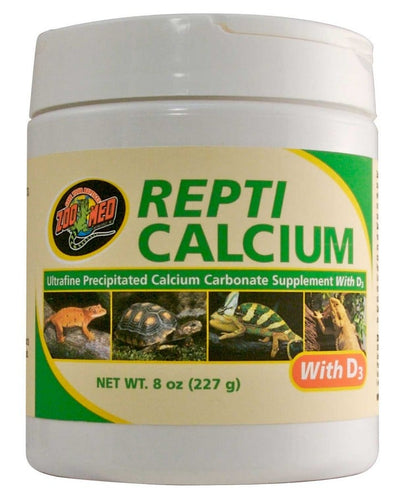
  • Dust insects with calcium.
  • If UVB is correctly provided: use calcium without D3 most of the time and a multivitamin on a modest schedule.
  • If UVB fails, you have a metabolic bone disease problem, not a powder problem: fix the light.
5

Breeding & handling

Breeding

Males are territorial. A female can lay multiple clutches glued to décor. Only house a pair if you are prepared for eggs and for separating them if they fight.

Handling your new pet

  • Do not grab a day gecko.
  • If you must move one: coax it into a cup or soft bag.
  • Torn skin is a common injury from handling.
6

Health & setup

Common health issues

  • Metabolic bone disease from poor UVB or calcium: stuck sheds, weight loss, and mouth or skin injuries are the usual problems.
  • Sudden jumps into décor cause broken tails and torn skin.

Quick setup checklist

  • Tall, escape-proof enclosure at least 18×18×24 in. for one adult
  • Planted climbing décor, hides, and a high feeding ledge
  • UVB with about UVI 3–4 at the basking perch, plus shade
  • Basking perch 86–90°F and a cooler retreat
  • Daily misting and a complete powdered gecko diet plus small insects
  • Calcium plan that matches whether UVB is actually in use
  • No routine handling

Shop the setup

Supporting Sources

The Painted Reptile · 18730 Oxnard St., Unit 215, Tarzana, CA 91356 · 818-654-9441 This care sheet is a general guide. Every animal is an individual, so watch yours closely and see a reptile veterinarian with any health concerns.
Just added to your wishlist:
My Wishlist
You've just added this product to the cart:
Go to cart page