The Painted Reptile
Fowler's Toad – Quick Care OverviewFowler's Toad Care Sheet – Full DetailsThe Painted Reptile · Reptile supplies, care & advice
18730 Oxnard St., Unit 215, Tarzana, CA 91356
818-654-9441 · paintedreptile.com
Painted Reptile Care Sheet

Fowler's Toad

Anaxyrus fowleri(Hinckley, 1882)

Group ToadFamily BufonidaeWild status Least Concern (IUCN)
Last reviewed November 2026
Photo coming soon

Quick facts

PR Keeper Level · care difficulty
2/10Very easy
1 · Hardy & forgiving10 · Experts only
1–2 Very easy · 3–4 Beginner · 5–6 Intermediate · 7–8 Advanced · 9–10 Expert
PR Handler Level · temperament
Yellow – Squirmy or flighty
A hardy toad with delicate, permeable skin and irritating secretions; handle only when needed, with clean dry or slightly damp hands, then wash
Green: Calm & easygoing Yellow: Squirmy or flighty Red: Known to be aggressive
Adult size
About 2–3 in (5–8 cm)
Lifespan
Often 5–10+ years in a clean, simple terrestrial setup
Temperature
A comfortable room, about 65–80°F
Avoid overheating; this is an eastern North American toad, not a desert animal
Humidity
40–70%
A moist hide and a shallow water dish; the surface can be a little drier than a rainforest frog cage
Diet
Insectivore
Gut-loaded crickets, dubia roaches, and other appropriately sized insects, lightly supplemented
Enclosure
A 10–20 gallon long tank or tub for one or two adults
Floor space, a moist hide, a shallow water dish, and a secure lid
Active
Nocturnal; hides by day
Temperament
A hardy, often calm toad; still an observation pet more than a frequent-handling animal

A hardy eastern North American toad, distinct from the American toad (Anaxyrus americanus) already on the site; the two hybridize in parts of the East. It wants a simple terrestrial setup, a moist hide, a shallow water dish, and insects, and it is still a pet to watch more than to hold. Never release, and do not collect from the wild as a substitute for a care plan.

Key care at a glance

  • HousingA 10–20 gallon long tank or tub, with a moist hide, a shallow water dish, and a secure lid.
  • Heat and lightA comfortable room, about 65–80°F, with a normal day–night cycle; avoid overheating.
  • HumidityA moist hide and a shallow water dish; the surface can be a little drier than a rainforest cage.
  • DietGut-loaded crickets, dubia roaches, and other appropriately sized insects, lightly supplemented.
  • Identity and legalIUCN Least Concern. Not CITES-listed. Distinct from A. americanus. No permit how-to. Never release.

Quick setup checklist

  • A 10–20 gallon terrestrial setup with a moist hide and a shallow water dish
  • Comfortable room temperatures, about 65–80°F; avoid overheating
  • A moist hide, not a rainforest-wet box
  • Gut-loaded insects, lightly supplemented
  • IUCN Least Concern; not CITES-listed
  • Distinct from A. americanus; never release, and do not collect from the wild
Want every detail? Natural history, breeding, health and more are in the full care sheet. Open full details

Supporting Sources: AmphibiaWeb — Anaxyrus fowleri · IUCN Red List — Anaxyrus fowleri · CITES Appendices I, II and III · full list in Full details · full list on the full care sheet

The Painted Reptile · 18730 Oxnard St., Unit 215, Tarzana, CA 91356 · 818-654-9441 This care sheet is a general guide. Every animal is an individual, so watch yours closely and see a reptile veterinarian with any health concerns.
1

About the species

Species background & natural history

Anaxyrus fowleri was named by Hinckley in 1882. It is a common toad of much of the eastern United States and nearby Canada, distinct from the American toad (Anaxyrus americanus) already on the site, though the two hybridize in parts of that range. Captive-bred animals are the preferred source. Never release native wildlife, and do not collect from the wild as a substitute for a care plan. It is a hardy, nocturnal burrowing toad with irritating skin secretions, more of a watch-me pet than a holding animal.

Physical description

Adults are typically about 2–3 in (5–8 cm), brown to gray, often with darker spots that contain several small warts each, and a pale mid-dorsal stripe on many animals. This is a typical North American toad, not a climbing tree frog.

Distribution

Much of the eastern United States and adjacent Ontario, in sandy, open, and woodland habitats. Never release.

Lifespan

Five to ten years or more is a reasonable plan in a clean, simple terrestrial setup, on a steady insect diet.

2

Housing

Caging

  • A 10–20 gallon long tank or tub is a sensible home for one or two adults.
  • Floor space, a moist hide, a shallow water dish, and a secure lid are the point of the cage.

Cage decor & substrate

  • A burrowing substrate, a moist hide, and a shallow water dish.
  • Avoid a dry, bare cage and a deep water bowl.
3

Heat, light & humidity

Temperature needs

  • A comfortable room, about 65–80°F (18–27°C); avoid overheating. This is an eastern toad, not a desert animal.

Heating & lighting

  • A normal day–night cycle is the plan; most rooms do not need a strong heat lamp.
  • Low-level UVB is optional; this draft follows the existing American toad product pattern and does not require a UVB product.

Humidity & water

  • Provide a moist hide and a shallow dish of dechlorinated water, with humidity about 40–70%.
  • The surface can be a little drier than a rainforest frog cage; do not leave a stagnant wet box.
4

Feeding & supplements

Diet & feeding

  • Gut-loaded crickets, dubia roaches, and other appropriately sized insects are the staple.
  • Feed in the evening, when the toad is active, and do not leave uneaten prey to foul the cage.

Supplements

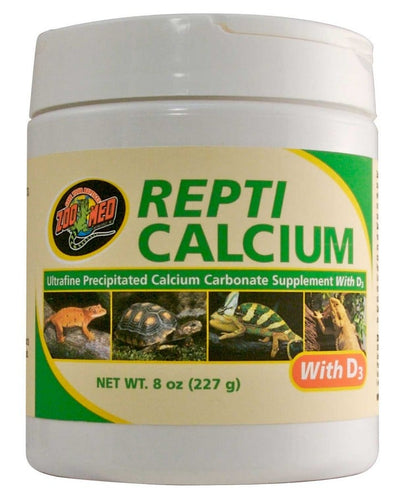
  • A light dusting of calcium with D3, plus a modest multivitamin on a schedule.
5

Breeding & handling

Breeding

A specialist project, and this is a native US toad. This draft does not give a breeding recipe, and it does not advise collecting from the wild.

Handling your new pet

  • Hardy, but the skin is permeable and the secretions can irritate eyes and cuts.
  • Handle only when needed, then wash; this is not a frequent-handling pet.
6

Health & setup

Common health issues

  • Watch for a fouled or too-wet setup, overheating, and a toad that stops eating or sits in the open by day.
  • See a reptile or amphibian veterinarian early if those problems appear.

Quick setup checklist

  • A 10–20 gallon terrestrial setup with a moist hide and a shallow water dish
  • Comfortable room temperatures, about 65–80°F; avoid overheating
  • A moist hide, not a rainforest-wet box
  • Gut-loaded insects, lightly supplemented
  • IUCN Least Concern; not CITES-listed
  • Distinct from A. americanus; never release, and do not collect from the wild

Shop the setup

Supporting Sources

The Painted Reptile · 18730 Oxnard St., Unit 215, Tarzana, CA 91356 · 818-654-9441 This care sheet is a general guide. Every animal is an individual, so watch yours closely and see a reptile veterinarian with any health concerns.
Just added to your wishlist:
My Wishlist
You've just added this product to the cart:
Go to cart page