The Painted Reptile
Fan-Footed Gecko – Quick Care OverviewFan-Footed Gecko Care Sheet – Full DetailsThe Painted Reptile · Reptile supplies, care & advice
18730 Oxnard St., Unit 215, Tarzana, CA 91356
818-654-9441 · paintedreptile.com
Painted Reptile Care Sheet

Fan-Footed Gecko

Ptyodactylus hasselquistii(Donndorff, 1798)

Also called: Fan-fingered gecko, Hasselquist's fan-footed gecko

Group Lizard · GeckoFamily PhyllodactylidaeWild status IUCN Least Concern. Not CITES-listed (appendices valid 5 March 2026). Reported as introduced in California.
Last reviewed November 2026
Photo coming soon

Quick facts

PR Keeper Level · care difficulty
4/10Beginner
1 · Hardy & forgiving10 · Experts only
1–2 Very easy · 3–4 Beginner · 5–6 Intermediate · 7–8 Advanced · 9–10 Expert
PR Handler Level · temperament
Yellow – Squirmy or flighty
A climbing, delicate-skinned gecko. Handle little; they can drop the tail and run vertical surfaces quickly.
Green: Calm & easygoing Yellow: Squirmy or flighty Red: Known to be aggressive
Adult size
About 4–6 in snout-vent, often around 6–8 in in total length.
Lifespan
Often 8–12 years or more in steady care.
Temperature
Basking 88–95°F; cool side 72–78°F; night 65–72°F
A modest warm spot on a rock face, not a desert-iguana blast of heat.
Humidity
Ambient 30–45%; humid hide higher
Dry air overall, with one moist hide so the gecko can shed cleanly.
Diet
Insectivore
Gut-loaded crickets, roaches, and similar insects.
Enclosure
18×18×24 in minimum for one adult, taller preferred
A vertical, well-ventilated rock or cork setup with tight ledges and no escape gaps.
Active
Crepuscular to nocturnal; will also bask on rock.
Temperament
Alert and fast on vertical surfaces. Often calmer at night.

California legal note: The Painted Reptile is a California store, so we post California rules first and most transparently. Fan-footed gecko (Ptyodactylus hasselquistii) is not a California native, and it is not listed on California’s restricted-species list in 14 CCR § 671. It has been reported as introduced in California (Hansen & Shedd, 2024, California Amphibians and Reptiles). A nonnative gecko that can live in California buildings or rock habitat must never be released, abandoned, or allowed to escape. This page is a care guide. It is not legal advice, and it does not explain how to obtain any authorization. Other states and countries have their own laws.

The fan-footed gecko is a slender, long-legged, rock-dwelling gecko from North Africa and the Middle East, named for the fan-like pads on its toes. It climbs dry stone and walls and needs a vertical, well-ventilated cage with a warm rock and a moist hide. The store has sold this species. Because it has been reported as introduced in California, escape prevention is part of basic care.

Key care at a glance

  • Not a California native and not on 14 CCR § 671, but reported as introduced in California — never release or allow to escape.
  • Tall, dry, well-ventilated rock setup; 18×18×24 in minimum, taller is better.
  • Modest basking spot about 88–95°F, cool side in the mid-70s, and a humid hide for shedding.
  • Insect dietgut-loaded crickets and roaches, with calcium.
  • The store has sold this species historically.
  • Handle little; they are fast and can drop the tail.

Quick setup checklist

  • Read the California legal note. Never release or allow this gecko to escape.
  • Escape-proof a tall, well-ventilated enclosure (18×18×24 in minimum).
  • Warm ledge about 88–95°F and a humid hide for shedding.
  • Dry ambient air; a small water dish; no soggy substrate.
  • Gut-loaded insects with calcium.
  • Secure every gap in the lid and décor.
Want every detail? Natural history, breeding, health and more are in the full care sheet. Open full details

Supporting Sources: https://www.law.cornell.edu/regulations/california/14-CCR-671 · https://www.iucnredlist.org/species/198399/2524966 · full list in Full details · full list on the full care sheet

The Painted Reptile · 18730 Oxnard St., Unit 215, Tarzana, CA 91356 · 818-654-9441 This care sheet is a general guide. Every animal is an individual, so watch yours closely and see a reptile veterinarian with any health concerns.
1

About the species

Species background & natural history

California legal note: The Painted Reptile is a California store, so we post California rules first and most transparently. Fan-footed gecko (Ptyodactylus hasselquistii) is not a California native, and it is not listed on California’s restricted-species list in 14 CCR § 671. It has been reported as introduced in California (Hansen & Shedd, 2024, California Amphibians and Reptiles). A nonnative gecko that can live in California buildings or rock habitat must never be released, abandoned, or allowed to escape. This page is a care guide. It is not legal advice, and it does not explain how to obtain any authorization. Other states and countries have their own laws. In captivity this is a dry-rock climbing gecko, not a rainforest species and not a leopard gecko. Secure lids and screen closures are part of the legal duty not to let a reported introducer loose in California.

Physical description

A slim gecko with long limbs, a slightly flattened head, and distinctive fan-shaped toe pads that spread on stone. Color is usually sandy, gray, or mottled, and can lighten or darken against the background. It is not a sticky-toed tropical gecko, and it is not a fat-tailed ground gecko.

Distribution

North Africa and the Middle East, on dry rock faces, ruins, and cliffs. It is not native to California; Hansen & Shedd (2024) report it as introduced in the state.

Lifespan

A well-started adult often lives 8–12 years, sometimes longer. Escape, a dry shed, or a chronically wet cage are the usual early failures.

2

Housing

Caging

  • Use a tall enclosure: at least 18×18×24 in for one adult, with a tight-fitting, escape-proof top and vents.
  • Vertical cork, stone: or background ledges matter more than floor tubs.
  • Do not keep two adult males together.
  • Check every gap: this species can use a very small opening.

Cage decor & substrate

  • Dry climbing surfaces: a warm rock or ledge, a cooler hide, and a separate moisture-retaining hide with damp moss.
  • A small water dish is enough.
  • Keep décor stable so a climbing animal cannot bring a rock down.
3

Heat, light & humidity

Temperature needs

  • Provide a warm ledge around 88–95°F and a cool side around 72–78°F. Night can drop into the mid-60s to low 70s. Measure the warm surface.
  • Do not heat the whole cage to basking temperature.

Heating & lighting

  • A small basking lamp aimed at one rock or a low-wattage daytime bulb is usually enough: plus a low to moderate UVB source at the correct distance if you use one (this sheet links a combo dome; keep the gecko able to get out of the beam).
  • A heat pad is not the main heat source for this vertical species.
  • Use a timer for a regular day length.

Humidity & water

  • Keep the room air on the dry side (about 30–45%) and confine higher humidity to one hide so the gecko can shed.
  • A shallow water dish of clean water is enough.
  • Do not soak the whole enclosure.
4

Feeding & supplements

Diet & feeding

  • Feed gut-loaded insects of appropriate size: crickets and dubia roaches are the staples — in an amount the gecko finishes.
  • Juveniles eat more often than adults.
  • Remove uneaten insects.

Supplements

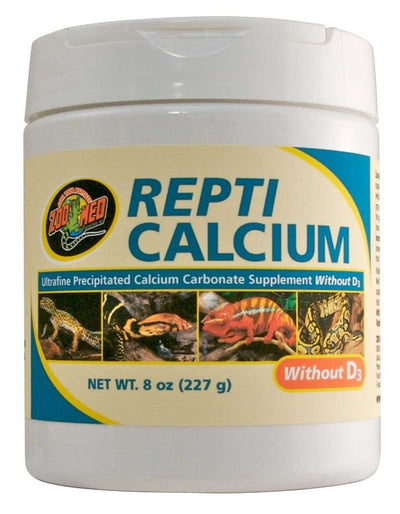
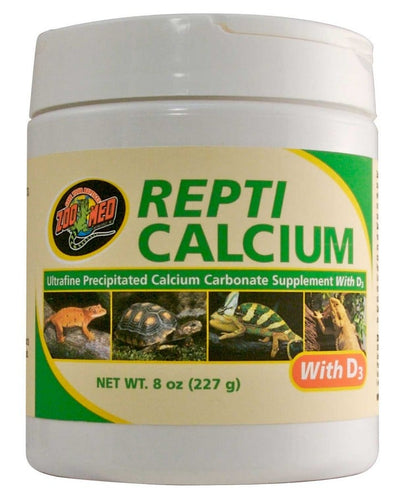
  • Dust insects with calcium (with D3 on some feedings if UVB is limited: without D3 on most feedings if UVB is used as directed) and a multivitamin less often.
5

Breeding & handling

Breeding

Males can fight. Breeding is possible in a dry-rock setup with a lay site, but this sheet does not describe an incubation program. Never release offspring.

Handling your new pet

  • Handle rarely.
  • Let the gecko walk onto a hand: do not grab the tail or the toe fans.
  • Wash your hands before and after.
6

Health & setup

Common health issues

  • Watch for stuck shed on the toes and tail: weight loss, and open-mouth breathing.
  • A gecko that cannot climb as it used to may have a shed: injury, or husbandry problem and needs a reptile veterinarian.
  • Never release a sick or unwanted animal.

Quick setup checklist

  • Read the California legal note. Never release or allow this gecko to escape.
  • Escape-proof a tall, well-ventilated enclosure (18×18×24 in minimum).
  • Warm ledge about 88–95°F and a humid hide for shedding.
  • Dry ambient air; a small water dish; no soggy substrate.
  • Gut-loaded insects with calcium.
  • Secure every gap in the lid and décor.

Shop the setup

Supporting Sources

The Painted Reptile · 18730 Oxnard St., Unit 215, Tarzana, CA 91356 · 818-654-9441 This care sheet is a general guide. Every animal is an individual, so watch yours closely and see a reptile veterinarian with any health concerns.
Just added to your wishlist:
My Wishlist
You've just added this product to the cart:
Go to cart page