The Painted Reptile
Egyptian Tortoise – Quick Care OverviewEgyptian Tortoise Care Sheet – Full DetailsThe Painted Reptile · Reptile supplies, care & advice
18730 Oxnard St., Unit 215, Tarzana, CA 91356
818-654-9441 · paintedreptile.com
Painted Reptile Care Sheet

Egyptian Tortoise

Testudo kleinmanniLortet, 1883

Also called: Kleinmann's tortoise

Group TortoiseFamily TestudinidaeWild status Critically Endangered (IUCN)
Last reviewed November 2026
Photo coming soon

Quick facts

PR Keeper Level · care difficulty
6/10Intermediate
1 · Hardy & forgiving10 · Experts only
1–2 Very easy · 3–4 Beginner · 5–6 Intermediate · 7–8 Advanced · 9–10 Expert
PR Handler Level · temperament
Green – Calm & easygoing
A shy, very small grazer that usually does not bite people; keep handling short and close to the floor
Green: Calm & easygoing Yellow: Squirmy or flighty Red: Known to be aggressive
Adult size
About 3.5–5 in (9–13 cm); one of the smallest tortoises, with females often a little larger
Lifespan
Often 30–50+ years in a dry, correctly warmed setup with a high-fiber diet
Temperature
Basking spot about 90–95°F · cooler end the mid 70s°F
A dry, well-drained table or outdoor pen with Zoo Med UVB and a Zoo Med basking lamp; avoid damp heat
Humidity
30–50%
Mostly dry and well drained, with a shallow water dish; this species is easily stressed by a damp cage
Diet
Herbivore
Grasses, weeds, flowers, and other high-fiber plants; fruit only as a rare treat, if at all
Enclosure
A 4×2 ft tortoise table, or larger, for an adult; an outdoor pen is better in a suitable dry climate
A dry, drained floor, a hide, UVB, and a basking spot; one tortoise is the default unless a much larger pen is planned
Active
Diurnal; most active in warm, dry weather
Temperament
A usually calm, shy little grazer; more of a display tortoise than a frequent-handling pet

A very small North African Testudo, also called Kleinmann’s tortoise. It wants a dry, well-drained table or outdoor pen with Zoo Med UVB, not a damp forest cage, and it is a specialist grazer, not a fruit-and-protein tortoise. It is distinct from the Russian, Hermann’s, Greek, and marginated tortoises already on the site, and from Testudo werneri.

Key care at a glance

  • HousingA 4×2 ft table, or larger, for an adult; an outdoor pen is better in a suitable dry climate.
  • Heat and lightA Zoo Med basking spot about 90–95°F, a cooler end in the mid 70s°F, and Zoo Med UVB.
  • HumidityMostly dry and well drained, with a shallow water dish; avoid a damp cage.
  • DietGrasses, weeds, and flowers; fruit only as a rare treat, if at all.
  • Identity and legalIUCN Critically Endangered; CITES I. Distinct from other Testudo already on the site and from T. werneri. 4-inch rule applies to hatchling sales; no permit how-to.

Quick setup checklist

  • A 4×2 ft dry table or a secure dry outdoor pen
  • Zoo Med 90–95°F basking and Zoo Med UVB
  • Mostly dry air and a well-drained floor
  • Grass-and-weed diet, little or no fruit
  • IUCN Critically Endangered; CITES I
  • 4-inch rule applies to hatchling sales; no permit how-to
Want every detail? Natural history, breeding, health and more are in the full care sheet. Open full details

Supporting Sources: Reptile Database — Testudo kleinmanni · IUCN Red List — Testudo kleinmanni · CITES Appendices I, II and III · full list in Full details · full list on the full care sheet

The Painted Reptile · 18730 Oxnard St., Unit 215, Tarzana, CA 91356 · 818-654-9441 This care sheet is a general guide. Every animal is an individual, so watch yours closely and see a reptile veterinarian with any health concerns.
1

About the species

Species background & natural history

Testudo kleinmanni was named by Lortet in 1883. It is a very small, arid-country tortoise of the coastal North African Mediterranean, historically in Egypt and Libya; the Negev form is now usually treated as Testudo werneri. Wild populations have declined sharply, and the species is listed on CITES Appendix I. Captive-bred animals are the only ethical source for the pet trade. This is not a Russian, Hermann’s, Greek, or marginated tortoise, and it is not a beginner desert tortoise in the same sense as those larger Testudo already on the site.

Physical description

Adults are typically only about 3.5–5 in (9–13 cm), with a pale golden to olive, relatively pale carapace. This is one of the smallest tortoises in the hobby, not a standard Mediterranean garden tortoise.

Distribution

Coastal North Africa, historically Egypt and Libya, in arid and semi-arid coastal habitat. Testudo werneri is a separate species. Never release.

Lifespan

Thirty to fifty years or more is a reasonable plan on a high-fiber diet, with dry, correctly warmed housing and UVB.

2

Housing

Caging

  • A 4×2 ft tortoise table, or larger, is a sensible indoor adult home; an outdoor pen is better in a suitable, secure, dry climate.
  • Keep the floor dry and well drained, with a hide and a shallow water dish; this is not a humid forest cage.

Cage decor & substrate

  • A hide, a shallow water dish, and a substrate that stays dry and is not dusty.
  • Avoid constantly damp soil and tightly planted, wet cages.
3

Heat, light & humidity

Temperature needs

  • A dry basking spot about 90–95°F (32–35°C), with a cooler end in the mid 70s°F (about 24°C), and cooler nights.

Heating & lighting

  • A Zoo Med T5 UVB hood (or equivalent Zoo Med UVB) plus a Zoo Med basking lamp is the lighting plan on this draft.
  • An Exo Terra ceramic heat emitter can supply extra ambient or night heat if the room runs cool.

Humidity & water

  • Keep the setup mostly dry and well drained, about 30–50% humidity, with a shallow water dish.
  • This species is easily stressed by a damp cage; it is not a rainforest tortoise.
4

Feeding & supplements

Diet & feeding

  • Grasses, weeds, flowers, and other high-fiber plants are the staple.
  • Fruit only as a rare treat, if at all; this is not a fruit-and-protein tortoise.

Supplements

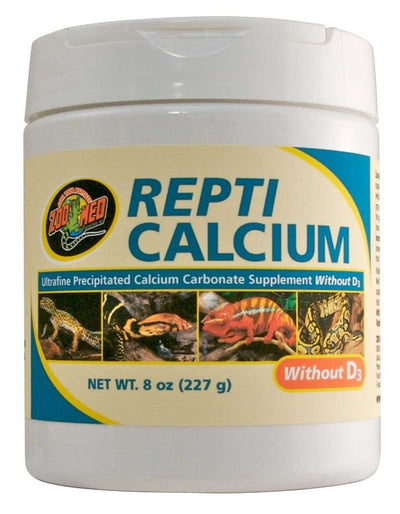
  • A light dusting of calcium without D3 on food, with UVB provided so dietary D3 is not the only plan, plus a modest multivitamin on a schedule.
5

Breeding & handling

Breeding

A specialist project, and the species is CITES I. This draft does not give a breeding recipe.

Handling your new pet

  • A shy grazer that usually does not bite people.
  • Keep handling short and close to the floor; this is not a frequent-handling pet.
6

Health & setup

Common health issues

  • Watch for a runny nose, a soft shell, and problems from a damp or poorly drained setup.
  • See a reptile veterinarian early if the tortoise stops eating or loses weight.

Quick setup checklist

  • A 4×2 ft dry table or a secure dry outdoor pen
  • Zoo Med 90–95°F basking and Zoo Med UVB
  • Mostly dry air and a well-drained floor
  • Grass-and-weed diet, little or no fruit
  • IUCN Critically Endangered; CITES I
  • 4-inch rule applies to hatchling sales; no permit how-to

Shop the setup

Supporting Sources

The Painted Reptile · 18730 Oxnard St., Unit 215, Tarzana, CA 91356 · 818-654-9441 This care sheet is a general guide. Every animal is an individual, so watch yours closely and see a reptile veterinarian with any health concerns.
Just added to your wishlist:
My Wishlist
You've just added this product to the cart:
Go to cart page