The Painted Reptile
Eastern Mud Turtle – Quick Care OverviewEastern Mud Turtle Care Sheet – Full DetailsThe Painted Reptile · Reptile supplies, care & advice
18730 Oxnard St., Unit 215, Tarzana, CA 91356
818-654-9441 · paintedreptile.com
Painted Reptile Care Sheet

Eastern Mud Turtle

Kinosternon subrubrum(Bonnaterre, 1789)

Also called: Common mud turtle

Group Turtle · Mud turtleFamily KinosternidaeWild status Least Concern (IUCN)
Last reviewed November 2026
Photo coming soon

Quick facts

PR Keeper Level · care difficulty
4/10Beginner
1 · Hardy & forgiving10 · Experts only
1–2 Very easy · 3–4 Beginner · 5–6 Intermediate · 7–8 Advanced · 9–10 Expert
PR Handler Level · temperament
Yellow – Squirmy or flighty
A reaching bite and musk when frightened; a small display turtle, not a frequent-handling pet
Green: Calm & easygoing Yellow: Squirmy or flighty Red: Known to be aggressive
Adult size
About 3–5 in (8–12 cm) carapace
Lifespan
Often 20–30+ years in a shallow aquatic setup with a land area and UVB
Temperature
Water about 72–78°F · a modest basking spot about 85–90°F
A shallow, filtered aquatic setup with easy land access and Zoo Med UVB
Humidity
A humid land area and clean shallow water
Not a deep open-water slider tank; this species walks the shallows and uses land
Diet
Carnivore, with some plant matter
Aquatic turtle pellets, earthworms, and other animal prey
Enclosure
A 20–40 gal long, shallow aquatic setup with a substantial land area, for an adult
Shallow water, a land side, a filter or frequent changes, and UVB; one turtle is the default
Active
Crepuscular to nocturnal at times, walking shallow water and land
Temperament
A shy, small mud turtle; usually more of a display animal than a handling pet

A small, plain-looking eastern mud turtle that walks shallow water and land, distinct from the musk turtles already on the site. Adults often stay under or near 4 inches, which matters under the US federal 4-inch sale rule. It wants a shallow aquatic setup with a land area and Zoo Med UVB, not a deep slider tank.

Key care at a glance

  • HousingA 20–40 gal long shallow aquatic setup with a substantial land area. One turtle is the default.
  • Heat and lightWater about 72–78°F, a modest Zoo Med basking spot about 85–90°F, and Zoo Med UVB.
  • WaterClean, shallow, dechlorinated water plus a humid land side — not a deep slider tank.
  • DietAquatic turtle pellets, earthworms, and other animal prey.
  • Identity and legalDistinct from musk turtles. IUCN LC; CITES II (Kinosternon spp.). Adults are often under 4 in.; 4-inch rule applies; no permit how-to.

Quick setup checklist

  • A 20–40 gal shallow aquatic setup with a real land area
  • Water 72–78°F and a modest Zoo Med basking spot with Zoo Med UVB
  • Pellets plus earthworms and other prey
  • Distinct from musk turtles and from the striped mud turtle
  • IUCN LC; CITES II (Kinosternon spp.)
  • 4-inch rule is especially relevant; no permit how-to
Want every detail? Natural history, breeding, health and more are in the full care sheet. Open full details

Supporting Sources: Reptile Database — Kinosternon subrubrum · IUCN Red List — Kinosternon subrubrum · CITES Appendices I, II and III · full list in Full details · full list on the full care sheet

The Painted Reptile · 18730 Oxnard St., Unit 215, Tarzana, CA 91356 · 818-654-9441 This care sheet is a general guide. Every animal is an individual, so watch yours closely and see a reptile veterinarian with any health concerns.
1

About the species

Species background & natural history

Kinosternon subrubrum was named by Bonnaterre in 1789. It is a small eastern US mud turtle, distinct from the common musk and razorback musk already on the site, and from the striped mud turtle (K. baurii) in this batch. IUCN lists it as Least Concern, with a stable population (Hughes and Meshaka 2025; confirmed 21 November 2026). It is listed on CITES Appendix II with Kinosternon spp. (appendices valid 5 March 2026). US federal rule: live turtles and viable turtle eggs with a carapace length of less than 4 inches shall not be sold, held for sale, or offered for commercial or public distribution as pets (21 CFR 1240.62, text opened 21 November 2026). This affects hatchling sales. The regulation’s listed exceptions are for bona fide scientific, educational, or exhibitional purposes, not as pets; this sheet does not give permit advice. Adults often remain under or near 4 inches, so the rule is especially relevant. This sheet does not give permit advice. Never release.

Physical description

Adults are typically about 3–5 in (8–12 cm) carapace length, olive to dark brown, relatively smooth, and less obviously keeled than a musk turtle. The head is modest, and the animal is built for shallows, muddy bottoms, and walking on land.

Distribution

Much of the eastern and south-central United States, in shallow freshwater and nearby land. Never release.

Lifespan

Twenty to thirty years or more is a reasonable plan in a shallow, clean, correctly warmed setup.

2

Housing

Caging

  • <ul><li><strong>A 20–40 gal long: shallow aquatic setup with a substantial land area</strong> is a sensible adult home.</li><li><strong>Use a filter or frequent water changes.</strong></li><li><strong>One turtle is the default.</strong></li></ul>

Cage decor & substrate

  • <ul><li><strong>A land side with damp cover: a shallow water side, and a modest dry basking spot.</strong></li><li><strong>Hides on both sides help a shy mud turtle settle.</strong></li></ul>
3

Heat, light & humidity

Temperature needs

  • <ul><li><strong>Water about 72–78°F (22–26°C),</strong> with a modest dry basking spot about 85–90°F (29–32°C).</li></ul>

Heating & lighting

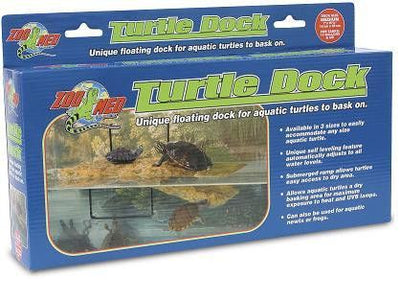
  • <ul><li><strong>A Zoo Med aquatic turtle lighting combo or equivalent Zoo Med UVB: plus a Zoo Med basking lamp over the land or dock, is the lighting plan on this draft.</strong></li><li><strong>A small water heater may be used in a cool room, with a shallow-water plan so the turtle can leave the water easily.</strong></li></ul>

Humidity & water

  • <ul><li><strong>Keep shallow: clean, dechlorinated water and a humid land area.</strong></li><li><strong>This is not a deep open-water slider tank.</strong></li></ul>
4

Feeding & supplements

Diet & feeding

  • <ul><li><strong>A quality aquatic turtle pellet as a staple: plus earthworms and other animal prey.</strong></li></ul>

Supplements

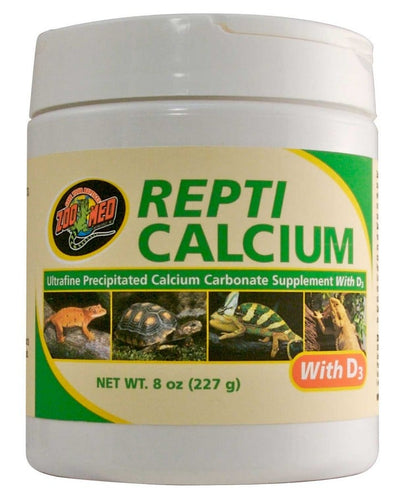
  • <ul><li><strong>A calcium source such as a slow-release turtle block or a light dusting of calcium on feeder items: with UVB provided.</strong></li></ul>
5

Breeding & handling

Breeding

<p>A specialist project. This draft does not give a breeding recipe.</p>

Handling your new pet

  • <ul><li><strong>A reaching bite and musk when frightened.</strong></li><li><strong>Support the body and keep sessions short.</strong></li></ul>
6

Health & setup

Common health issues

  • <ul><li><strong>Watch for a soft shell: swollen eyes, and dirty shallow water.</strong></li><li><strong>See a reptile veterinarian early if the turtle stops eating.</strong></li></ul>

Quick setup checklist

  • A 20–40 gal shallow aquatic setup with a real land area
  • Water 72–78°F and a modest Zoo Med basking spot with Zoo Med UVB
  • Pellets plus earthworms and other prey
  • Distinct from musk turtles and from the striped mud turtle
  • IUCN LC; CITES II (Kinosternon spp.)
  • 4-inch rule is especially relevant; no permit how-to

Shop the setup

Supporting Sources

The Painted Reptile · 18730 Oxnard St., Unit 215, Tarzana, CA 91356 · 818-654-9441 This care sheet is a general guide. Every animal is an individual, so watch yours closely and see a reptile veterinarian with any health concerns.
Just added to your wishlist:
My Wishlist
You've just added this product to the cart:
Go to cart page