The Painted Reptile
Desert Iguana – Quick Care OverviewDesert Iguana Care Sheet – Full DetailsThe Painted Reptile · Reptile supplies, care & advice
18730 Oxnard St., Unit 215, Tarzana, CA 91356
818-654-9441 · paintedreptile.com
Painted Reptile Care Sheet

Desert Iguana

Dipsosaurus dorsalis(Baird and Girard, 1852)

Also called: Northern desert iguana

Group Lizard · IguanidFamily IguanidaeWild status IUCN Least Concern. Not CITES-listed (appendices valid 5 March 2026). California native.
Last reviewed November 2026
Photo coming soon

Quick facts

PR Keeper Level · care difficulty
5/10Intermediate
1 · Hardy & forgiving10 · Experts only
1–2 Very easy · 3–4 Beginner · 5–6 Intermediate · 7–8 Advanced · 9–10 Expert
PR Handler Level · temperament
Yellow – Squirmy or flighty
Fast, alert, and easily stressed. Not a lap lizard. Handle briefly and support the body; they can drop the tail.
Green: Calm & easygoing Yellow: Squirmy or flighty Red: Known to be aggressive
Adult size
About 16 in total, with a long tail and a relatively slim body.
Lifespan
Often 10–15 years or more in steady care.
Temperature
Basking 115–130°F; cool side 80–85°F; night 65–75°F
This species uses extreme midday heat in the wild. A weak basking lamp will not do.
Humidity
15–35%
Very dry. A water bowl is still provided.
Diet
Herbivore
Flowers, leaves, and buds; some insects when young.
Enclosure
4×2×2 ft minimum for one adult
Open floor space and a high-heat basking platform; they are active runners.
Active
Diurnal, most active in extreme heat.
Temperament
Alert and quick. Often calm at feeding time but not generally tame in the bearded-dragon sense.

California legal note: The Painted Reptile is a California store, so we post California rules first and most transparently. Desert iguana (Dipsosaurus dorsalis) is a California native reptile. Under 14 CCR § 40, it is unlawful to capture, collect, possess, purchase, propagate, sell, transport, import, or export a native reptile except as those regulations allow (Fish and Game Code § 5061 is the statute behind this). 14 CCR § 43 allows commercial sale of only three native reptiles — the California kingsnake, certain California gopher snake subspecies, and the northern three-lined boa. This species is not one of them, so it cannot be sold as a pet-trade animal in California. 14 CCR § 5.60 allows limited sport take of this species (daily bag and possession limit of 2) under a sportfishing license, with the other restrictions in that section. That is not a path to commercial sale. Animals that have been in captivity, including captively bred offspring, must not be released into the wild without written approval from the California Department of Fish and Wildlife (14 CCR § 40(e)). This page is a care guide. It is not legal advice, and it does not explain how to obtain any authorization. Other states and countries have their own laws.

The desert iguana is a pale, long-tailed, heat-loving lizard of the creosote flats and washes of the Mojave and Sonoran deserts, including much of southeastern California. It is one of the most heat-tolerant lizards in the hobby, and it is a California native that state law does not authorize for commercial sale. This sheet is a husbandry guide for an animal already lawfully held.

Key care at a glance

  • California nativenot one of the three reptiles 14 CCR § 43 allows to be sold; never release (14 CCR § 40).
  • Very hot basking surface, about 115–130°F, plus strong UVB and a large, dry enclosure (4×2×2 ft minimum).
  • Mostly plants — flowers, leaves, and buds. Keep fruit limited.
  • Fast and alert; not a frequent-handling pet.
  • The store has sold this species historically; this draft still states the current California sales rule.
  • Do not collect from the wild as a substitute for a care plan.

Quick setup checklist

  • Read the California legal note before you buy, move, or house this animal.
  • Never release a captive desert iguana.
  • 4×2×2 ft minimum, dry and open, with room to run.
  • Basking surface about 115–130°F and a full-length T5 HO 10.0 UVB tube.
  • Plant-based diet of flowers, leaves, and greens.
  • Very dry air; a clean water bowl; no daily misting.
  • Measure surface heat with an infrared thermometer.
Want every detail? Natural history, breeding, health and more are in the full care sheet. Open full details

Supporting Sources: https://www.law.cornell.edu/regulations/california/14-CCR-40 · https://www.law.cornell.edu/regulations/california/14-CCR-43 · https://www.law.cornell.edu/regulations/california/14-CCR-5.60 · https://leginfo.legislature.ca.gov/faces/codes_displaySection.xhtml?lawCode=FGC§ionNum=5061. · https://wildlife.ca.gov/Licensing/Reptile-Propagation · https://www.iucnredlist.org/species/194975/2370621 · full list in Full details · full list on the full care sheet

The Painted Reptile · 18730 Oxnard St., Unit 215, Tarzana, CA 91356 · 818-654-9441 This care sheet is a general guide. Every animal is an individual, so watch yours closely and see a reptile veterinarian with any health concerns.
1

About the species

Species background & natural history

California legal note: The Painted Reptile is a California store, so we post California rules first and most transparently. Desert iguana (Dipsosaurus dorsalis) is a California native reptile. Under 14 CCR § 40, it is unlawful to capture, collect, possess, purchase, propagate, sell, transport, import, or export a native reptile except as those regulations allow (Fish and Game Code § 5061 is the statute behind this). 14 CCR § 43 allows commercial sale of only three native reptiles — the California kingsnake, certain California gopher snake subspecies, and the northern three-lined boa. This species is not one of them, so it cannot be sold as a pet-trade animal in California. 14 CCR § 5.60 allows limited sport take of this species (daily bag and possession limit of 2) under a sportfishing license, with the other restrictions in that section. That is not a path to commercial sale. Animals that have been in captivity, including captively bred offspring, must not be released into the wild without written approval from the California Department of Fish and Wildlife (14 CCR § 40(e)). This page is a care guide. It is not legal advice, and it does not explain how to obtain any authorization. Other states and countries have their own laws. Desert iguanas are sometimes offered in the wider U.S. trade and have been sold at this store in the past. That history does not change the California rule in 14 CCR § 43. The care below is for a lawfully held animal and assumes a large, very bright, very dry desert setup.

Physical description

A slim, pale tan or creamy lizard with a row of slightly enlarged scales down the middle of the back and a long, tapering tail. It is built for running on open sand and hardpan, not for wedging into cracks the way a chuckwalla does. The pale color reflects desert light; it is not a green iguana and will not stay healthy in a green-iguana cage.

Distribution

Mojave and Sonoran desert flats, washes, and creosote scrub from southeastern California into Arizona, Nevada, and Mexico. In California it is a native reptile under 14 CCR § 40.

Lifespan

A well-kept adult often lives 10–15 years, sometimes longer. Poor heat or a damp cage shortens that sharply.

2

Housing

Caging

  • A 4×2×2 ft enclosure is a minimum for one adult: more floor length is better because these lizards run.
  • Use a dry, well-vented top.
  • Provide an open basking platform and a cooler retreat.
  • Keep adults one to a cage unless you have a very large setup and a clear plan: males will fight.

Cage decor & substrate

  • A broad, dark basking rock or platform: a cool hide, sparse desert décor, and a shallow water bowl.
  • Substrate should be dry and stable: not constantly wet, not a fine dust that coats the eyes and mouth.
  • Give room to run, not a cluttered maze.
3

Heat, light & humidity

Temperature needs

  • This is a high-heat species.
  • The basking surface should reach about 115–130°F: with a cool side around 80–85°F so the animal can get off the heat.
  • Night can drop into the mid-60s to mid-70s.
  • Measure the surface with an infrared thermometer.
  • A lukewarm basking lamp is a common reason these lizards fail.

Heating & lighting

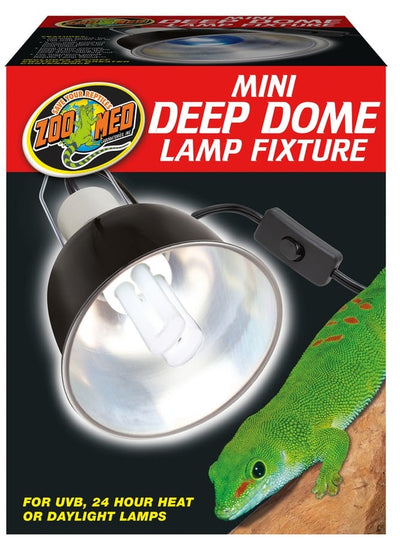
  • A strong basking bulb and a long T5 HO 10.0 UVB tube are the core of the lighting.
  • Place UVB as the manufacturer specifies and replace it on schedule.
  • A simple daytime timer is enough.
  • Night heat is usually unnecessary if the room stays in the mid-60s or above.

Humidity & water

  • Keep the air very dry, about 15–35%.
  • Provide a shallow bowl of clean water and change it often.
  • Do not mist the enclosure as a daily habit: and do not keep the substrate damp.
4

Feeding & supplements

Diet & feeding

  • Offer edible flowers: leaves, and buds as the staple, with leafy greens as a steady base.
  • Fruit stays limited.
  • Young animals may take some insects: adults should remain mostly herbivorous.
  • Feed in the warm part of the day and remove spoiled food.

Supplements

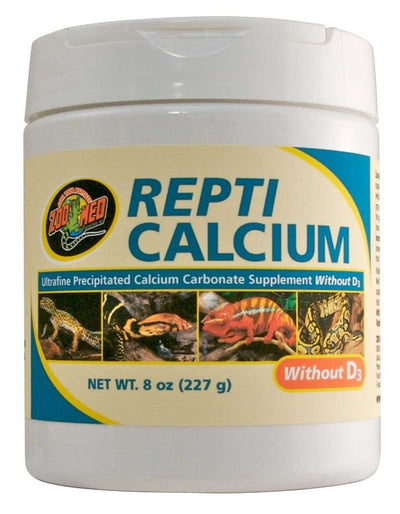
  • Light calcium without D3 on most food days: and a reptile multivitamin less often.
  • With strong UVB, keep added D3 modest.
5

Breeding & handling

Breeding

Males can be territorial. A breeding setup needs space and a lay area and is beyond this care sheet. California law independently limits propagation of native reptiles.

Handling your new pet

  • Keep handling short.
  • Support the body and never grab the tail.
  • Wash your hands before and after.
  • A desert iguana that is repeatedly chased will not settle.
6

Health & setup

Common health issues

  • Watch for weight loss: a soft jaw, runny or closed eyes (often from dust or low heat), and incomplete sheds.
  • An animal that hides all day and will not eat needs a temperature and UVB check and a reptile veterinarian.
  • Never release an unwanted desert iguana.

Quick setup checklist

  • Read the California legal note before you buy, move, or house this animal.
  • Never release a captive desert iguana.
  • 4×2×2 ft minimum, dry and open, with room to run.
  • Basking surface about 115–130°F and a full-length T5 HO 10.0 UVB tube.
  • Plant-based diet of flowers, leaves, and greens.
  • Very dry air; a clean water bowl; no daily misting.
  • Measure surface heat with an infrared thermometer.

Shop the setup

Supporting Sources

The Painted Reptile · 18730 Oxnard St., Unit 215, Tarzana, CA 91356 · 818-654-9441 This care sheet is a general guide. Every animal is an individual, so watch yours closely and see a reptile veterinarian with any health concerns.
Just added to your wishlist:
My Wishlist
You've just added this product to the cart:
Go to cart page