The Painted Reptile
Costa Rican Tiger Rump Tarantula – Quick Care OverviewCosta Rican Tiger Rump Tarantula Care Sheet – Full DetailsThe Painted Reptile · Reptile supplies, care & advice
18730 Oxnard St., Unit 215, Tarzana, CA 91356
818-654-9441 · paintedreptile.com
Painted Reptile Care Sheet

Costa Rican Tiger Rump Tarantula

Davus fasciatus(O. Pickard-Cambridge, 1892)

Also called: Tiger rump, Cyclosternum fasciatum (old name)

Group TarantulaFamily TheraphosidaeWild status Not evaluated (IUCN)
Last reviewed November 2026
Photo coming soon

Quick facts

PR Keeper Level · care difficulty
2/10Very easy
1 · Hardy & forgiving10 · Experts only
1–2 Very easy · 3–4 Beginner · 5–6 Intermediate · 7–8 Advanced · 9–10 Expert
PR Handler Level · temperament
Yellow – Squirmy or flighty
A generally calm New World terrestrial with urticating hairs; still a display animal, not a holding pet — use tongs, and avoid the hairs
Green: Calm & easygoing Yellow: Squirmy or flighty Red: Known to be aggressive
Adult size
A small-to-medium terrestrial; leg span often about 4–5 in (10–13 cm)
Lifespan
Males often a few years as adults; females commonly 8–12+ years in a clean, correctly set-up enclosure
Temperature
A comfortable room, about 72–80°F
A simple terrestrial setup; avoid overheating and damp, stagnant air
Humidity
A slightly humid terrestrial cage, not a rainforest-wet box
A water dish and a substrate that can hold a little moisture; good ventilation
Diet
Carnivore
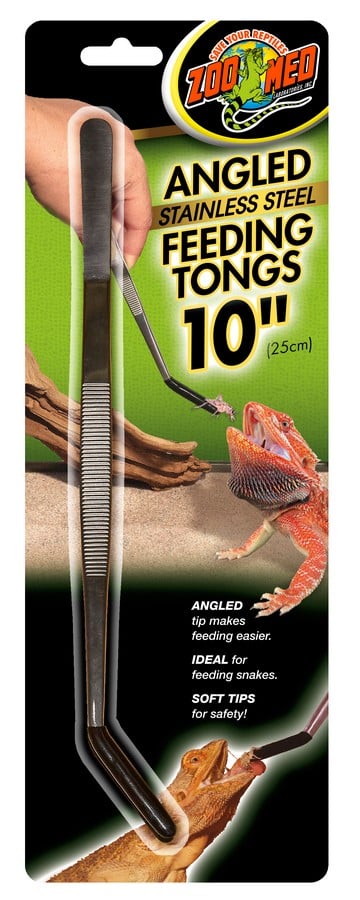
Appropriately sized crickets and dubia roaches, offered with tongs
Enclosure
A 6–10 in terrestrial enclosure for an adult, with a hide and a shallow water dish
Floor space, a hide, and a secure, well-ventilated lid; one spider is the default
Active
Mostly sitting in or near the hide; more active at night or when hungry
Temperament
A generally calm, often bold beginner New World terrestrial; still a display animal, not a handling pet

A widely kept Central American terrestrial tarantula, also called the tiger rump, drafted here as Davus fasciatus as listed (formerly Cyclosternum fasciatum). It wants a simple terrestrial setup and insects, and it is a display animal, not a spider to hold.

Key care at a glance

  • HousingA 6–10 in terrestrial enclosure for an adult, with a hide, a shallow water dish, and a secure lid.
  • Heat and lightA comfortable room, about 72–80°F, with a normal day–night cycle; avoid overheating.
  • HumidityA water dish and a slightly moisture-holding substrate, with good ventilation.
  • DietAppropriately sized crickets and dubia roaches, offered with tongs.
  • Identity and legalNot evaluated (IUCN). Not CITES-listed. Formerly Cyclosternum fasciatum. No permit how-to.

Quick setup checklist

  • A 6–10 in terrestrial enclosure with a hide and a water dish
  • Comfortable room temperatures, about 72–80°F; avoid overheating
  • A slightly humid, well-ventilated cage, not a wet box
  • Crickets and dubia roaches, offered with tongs
  • Not evaluated (IUCN); not CITES-listed
  • Formerly Cyclosternum fasciatum; a display animal, not a handling pet
Want every detail? Natural history, breeding, health and more are in the full care sheet. Open full details

Supporting Sources: World Spider Catalog — Davus fasciatus · CITES Appendices I, II and III · full list in Full details · full list on the full care sheet

The Painted Reptile · 18730 Oxnard St., Unit 215, Tarzana, CA 91356 · 818-654-9441 This care sheet is a general guide. Every animal is an individual, so watch yours closely and see a reptile veterinarian with any health concerns.
1

About the species

Species background & natural history

Davus fasciatus was named by O. Pickard-Cambridge in 1892 and was long sold as Cyclosternum fasciatum. It is a small-to-medium Central American terrestrial, widely recommended as a beginner New World species. It has urticating hairs and is still a display animal, not a handling pet.

Physical description

Adults are small-to-medium terrestrials, dark-bodied, with bold pale bands on the abdomen that give the tiger-rump name, and a leg span often about 4–5 in (10–13 cm). Females are the long-lived sex in the hobby.

Distribution

Costa Rica and nearby Central America. Never release.

Lifespan

Males often live only a few years as adults; females commonly reach 8–12 years or more in a clean, correctly set-up enclosure.

2

Housing

Caging

  • A 6–10 in terrestrial enclosure is a sensible home for an adult, with a hide and a secure, well-ventilated lid.
  • One spider is the default.

Cage decor & substrate

  • A hide, a shallow water dish, and a substrate deep enough to sit on comfortably.
  • Avoid a tall, empty, or constantly wet cage.
3

Heat, light & humidity

Temperature needs

  • A comfortable room, about 72–80°F (22–27°C); avoid overheating.

Heating & lighting

  • A normal day–night cycle is the plan; most rooms do not need a heat lamp or a UVB product.

Humidity & water

  • Provide a shallow water dish and a substrate that can hold a little moisture, with good ventilation.
  • Do not keep a stagnant, rainforest-wet box.
4

Feeding & supplements

Diet & feeding

  • Appropriately sized crickets and dubia roaches are the staple; offer them with tongs.
  • Remove uneaten prey, and do not overfeed.

Supplements

  • A varied insect diet is the main plan; this draft does not require a powdered supplement as a staple.
5

Breeding & handling

Breeding

A specialist project. This draft does not give a breeding recipe.

Handling your new pet

  • A generally calm New World terrestrial, but it has urticating hairs.
  • This is a display animal, not a holding pet; use tongs for feeding and cage work, and avoid the hairs.
6

Health & setup

Common health issues

  • Watch for a too-wet or fouled setup, overheating, and a spider that refuses food for a long stretch without a normal molt cycle.
  • See an exotic veterinarian early if those problems appear.

Quick setup checklist

  • A 6–10 in terrestrial enclosure with a hide and a water dish
  • Comfortable room temperatures, about 72–80°F; avoid overheating
  • A slightly humid, well-ventilated cage, not a wet box
  • Crickets and dubia roaches, offered with tongs
  • Not evaluated (IUCN); not CITES-listed
  • Formerly Cyclosternum fasciatum; a display animal, not a handling pet

Shop the setup

Supporting Sources

The Painted Reptile · 18730 Oxnard St., Unit 215, Tarzana, CA 91356 · 818-654-9441 This care sheet is a general guide. Every animal is an individual, so watch yours closely and see a reptile veterinarian with any health concerns.
Just added to your wishlist:
My Wishlist
You've just added this product to the cart:
Go to cart page