The Painted Reptile
Common Mudpuppy – Quick Care OverviewCommon Mudpuppy Care Sheet – Full DetailsThe Painted Reptile · Reptile supplies, care & advice
18730 Oxnard St., Unit 215, Tarzana, CA 91356
818-654-9441 · paintedreptile.com
Painted Reptile Care Sheet

Common Mudpuppy

Necturus maculosus(Rafinesque, 1818)

Also called: Mudpuppy, waterdog

Group SalamanderFamily ProteidaeWild status Least Concern (IUCN)
Last reviewed November 2026
Photo coming soon

Quick facts

PR Keeper Level · care difficulty
4/10Beginner
1 · Hardy & forgiving10 · Experts only
1–2 Very easy · 3–4 Beginner · 5–6 Intermediate · 7–8 Advanced · 9–10 Expert
PR Handler Level · temperament
Yellow – Squirmy or flighty
A fully aquatic salamander with delicate, permeable skin; net or cup it only when needed, with clean wet hands or a soft net, then wash
Green: Calm & easygoing Yellow: Squirmy or flighty Red: Known to be aggressive
Adult size
About 8–13 in (20–33 cm); occasional animals larger
Lifespan
Often 15–20+ years in a clean, cool, well-oxygenated aquatic setup
Temperature
Cool water, about 50–68°F; do not keep it warm
A well-aerated, fully aquatic setup; warm water is a serious risk
Humidity
Fully aquatic
A complete water setup with clean, dechlorinated, well-oxygenated water; not a damp land cage
Diet
Carnivore
Night crawlers and other appropriately sized aquatic or soft-bodied foods; do not overfeed
Enclosure
A 20 gallon long tank or larger for an adult, fully aquatic, with a secure lid
Floor space, hides, a gentle current or aeration, and cool, clean water
Active
Often hidden by day; more active at night
Temperament
A secretive, fully aquatic salamander; a watch-me animal, not a frequent-handling pet

A fully aquatic North American salamander, also called the mudpuppy or waterdog, with bushy external gills. Necturus is not one of the 36 genera listed under the current Bsal rule. It wants a cool, clean, well-oxygenated aquarium with hides, and it is a pet to watch more than to hold. Never release, and do not collect from the wild as a substitute for a care plan.

Key care at a glance

  • HousingA 20 gallon long tank or larger, fully aquatic, with hides and a secure lid.
  • Heat and lightCool water, about 50–68°F; do not keep it warm. A normal day–night cycle is enough.
  • WaterClean, dechlorinated, well-oxygenated water; not a damp land cage.
  • DietNight crawlers and other appropriately sized soft foods; do not overfeed.
  • Identity and legalIUCN Least Concern. Not CITES-listed. Necturus is not Bsal-listed. No permit how-to. Never release.

Quick setup checklist

  • A 20 gallon long or larger fully aquatic setup with hides
  • Cool, well-oxygenated water, about 50–68°F; do not keep it warm
  • Clean, dechlorinated water and a secure lid
  • Night crawlers and other soft foods; do not overfeed
  • IUCN Least Concern; not CITES-listed
  • Necturus is not Bsal-listed; never release, and do not collect from the wild
Want every detail? Natural history, breeding, health and more are in the full care sheet. Open full details

Supporting Sources: AmphibiaWeb — Necturus maculosus · IUCN Red List — Necturus maculosus · CITES Appendices I, II and III · full list in Full details · full list on the full care sheet

The Painted Reptile · 18730 Oxnard St., Unit 215, Tarzana, CA 91356 · 818-654-9441 This care sheet is a general guide. Every animal is an individual, so watch yours closely and see a reptile veterinarian with any health concerns.
1

About the species

Species background & natural history

Necturus maculosus was named by Rafinesque in 1818. It is a large, fully aquatic salamander of lakes, rivers, and impoundments in the central and eastern United States and adjacent Canada, and it keeps its external gills as an adult. Some animals sold as “waterdogs” may be other Necturus; this draft stays on N. maculosus as listed. The genus Necturus is not one of the 36 genera listed under the current federal Bsal rule (50 CFR § 16.14). This sheet states that as a fact and does not give permit advice. Never release, and do not collect from the wild as a substitute for a care plan.

Physical description

Adults are typically about 8–13 in (20–33 cm), gray-brown to rusty, often with dark spots, a paddle-like tail, and a pair of bushy red or maroon external gills. This is a fully aquatic salamander, not a land-dwelling newt.

Distribution

A wide range in the central and eastern United States and adjacent Canada, in permanent freshwater. Never release.

Lifespan

Fifteen to twenty years or more is a reasonable plan in a clean, cool, well-oxygenated aquatic setup.

2

Housing

Caging

  • A 20 gallon long tank or larger is a sensible home for an adult, fully aquatic, with a secure lid.
  • Floor space, hides, and cool, clean, well-oxygenated water matter more than height.

Cage decor & substrate

  • Hides, a soft or bare floor that is easy to clean, and a gentle current or aeration.
  • Avoid sharp décor and a warm, stagnant tank.
3

Heat, light & humidity

Temperature needs

  • Cool water, about 50–68°F (10–20°C); do not keep it warm. Warm water is a serious risk.

Heating & lighting

  • A normal day–night cycle is the plan; this animal does not need a basking lamp or a UVB product.
  • Use a probe thermometer in the water, and cool the tank if the room runs warm.

Humidity & water

  • This is a fully aquatic setup. Use dechlorinated, well-oxygenated water, and keep it clean.
  • Do not leave a fouled or overheated tank.
4

Feeding & supplements

Diet & feeding

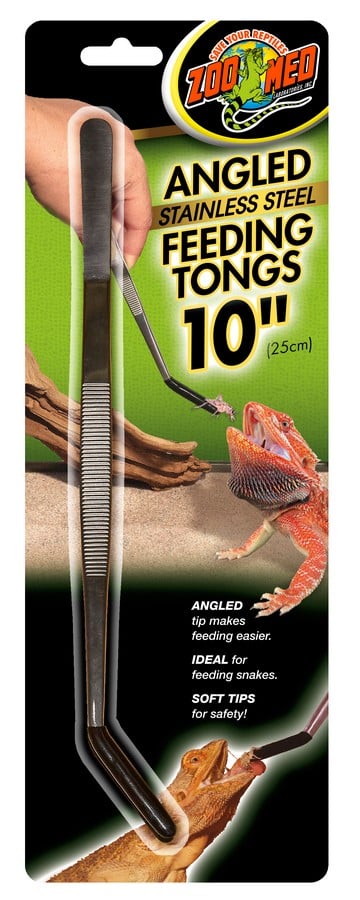
  • Night crawlers and other appropriately sized soft foods are the staple; feed with tongs.
  • Do not overfeed, and remove uneaten food promptly.

Supplements

  • A varied prey diet is the main plan; this draft does not require a powdered supplement as a staple.
5

Breeding & handling

Breeding

A specialist project, and this is a native US salamander. This draft does not give a breeding recipe, and it does not advise collecting from the wild.

Handling your new pet

  • A fully aquatic salamander with delicate, permeable skin.
  • Net or cup it only when needed, then wash; this is not a frequent-handling pet.
6

Health & setup

Common health issues

  • Watch for warm or fouled water, damaged gills, and an animal that stops eating or sits oddly in the open.
  • See a reptile or amphibian veterinarian early if those problems appear.

Quick setup checklist

  • A 20 gallon long or larger fully aquatic setup with hides
  • Cool, well-oxygenated water, about 50–68°F; do not keep it warm
  • Clean, dechlorinated water and a secure lid
  • Night crawlers and other soft foods; do not overfeed
  • IUCN Least Concern; not CITES-listed
  • Necturus is not Bsal-listed; never release, and do not collect from the wild

Shop the setup

Supporting Sources

The Painted Reptile · 18730 Oxnard St., Unit 215, Tarzana, CA 91356 · 818-654-9441 This care sheet is a general guide. Every animal is an individual, so watch yours closely and see a reptile veterinarian with any health concerns.
Just added to your wishlist:
My Wishlist
You've just added this product to the cart:
Go to cart page