The Painted Reptile
Cobalt Blue Tarantula – Quick Care OverviewCobalt Blue Tarantula Care Sheet – Full DetailsThe Painted Reptile · Reptile supplies, care & advice
18730 Oxnard St., Unit 215, Tarzana, CA 91356
818-654-9441 · paintedreptile.com
Painted Reptile Care Sheet

Cobalt Blue Tarantula

Cyriopagopus lividus(Strand, 1907)

Also called: Cobalt blue, Haplopelma lividum (old name)

Group TarantulaFamily TheraphosidaeWild status Not evaluated (IUCN)
Last reviewed November 2026
Photo coming soon

Quick facts

PR Keeper Level · care difficulty
5/10Intermediate
1 · Hardy & forgiving10 · Experts only
1–2 Very easy · 3–4 Beginner · 5–6 Intermediate · 7–8 Advanced · 9–10 Expert
PR Handler Level · temperament
Red – Known to be aggressive
A defensive Old World fossorial tarantula without urticating hairs and with a medically significant bite — a look-don’t-touch species; never handle, and use long tongs
Green: Calm & easygoing Yellow: Squirmy or flighty Red: Known to be aggressive
Adult size
A medium fossorial; leg span often about 5–6 in (13–15 cm)
Lifespan
Males often a few years as adults; females commonly 10–15+ years in a deep, correctly set-up burrow
Temperature
A comfortable, slightly warm room, about 75–82°F
A deep, well-ventilated burrowing setup; avoid overheating and a dry, shallow cage
Humidity
A humid burrow, not a soaked box
A deep, slightly moist substrate and a water dish, with good ventilation
Diet
Carnivore
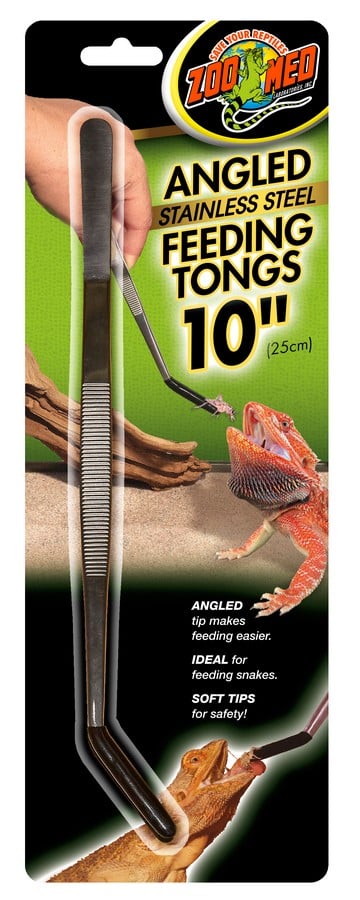
Appropriately sized crickets and dubia roaches, offered with long tongs
Enclosure
An 8–12 in enclosure with several inches of burrowing substrate for an adult, and a secure lid
Depth for a burrow matters as much as floor space; one spider is the default
Active
Often in the burrow by day; more active at the entrance at night or when hungry
Temperament
A defensive, fast Old World fossorial tarantula; a look-don’t-touch display animal, not a handling pet

A vividly blue Old World burrowing tarantula, formerly Haplopelma lividum, distinct from the Thailand black. It wants a deep, slightly humid burrow and insects, and it is a look-don’t-touch species, not a spider to hold.

Key care at a glance

  • HousingAn 8–12 in enclosure with several inches of burrowing substrate, a water dish, and a secure lid.
  • Heat and lightAbout 75–82°F, with a normal day–night cycle; avoid overheating.
  • HumidityA deep, slightly moist burrow and a water dish, with good ventilation.
  • DietAppropriately sized crickets and dubia roaches, offered with long tongs.
  • Identity and legalNot evaluated (IUCN). Not CITES-listed. Formerly Haplopelma lividum. Distinct from Melopoeus minax. No permit how-to.

Quick setup checklist

  • An 8–12 in enclosure with a deep burrowing substrate and a secure lid
  • About 75–82°F; avoid overheating
  • A slightly moist burrow and a water dish, with good ventilation
  • Crickets and dubia roaches, offered with long tongs
  • Not evaluated (IUCN); not CITES-listed
  • Formerly Haplopelma lividum; a look-don’t-touch Old World species, not a handling pet
Want every detail? Natural history, breeding, health and more are in the full care sheet. Open full details

Supporting Sources: World Spider Catalog — Cyriopagopus lividus · CITES Appendices I, II and III · full list in Full details · full list on the full care sheet

The Painted Reptile · 18730 Oxnard St., Unit 215, Tarzana, CA 91356 · 818-654-9441 This care sheet is a general guide. Every animal is an individual, so watch yours closely and see a reptile veterinarian with any health concerns.
1

About the species

Species background & natural history

Cyriopagopus lividus was named by Strand in 1907 and was long known as Haplopelma lividum. It is a fossorial Old World tarantula of Southeast Asia, famous for the cobalt-blue legs, and it is distinct from the Thailand black (Melopoeus minax). It has no urticating hairs, it can be defensive and fast, and its bite is medically significant. It is a look-don’t-touch display animal, not a handling pet.

Physical description

Adults are medium fossorial tarantulas, often with striking cobalt-blue legs and a darker body, and a leg span of about 5–6 in (13–15 cm). Females are the long-lived sex in the hobby.

Distribution

Southeast Asia, especially Myanmar and nearby regions, in forest burrows. Never release.

Lifespan

Males often live only a few years as adults; females commonly reach 10–15 years or more in a deep, correctly set-up burrow.

2

Housing

Caging

  • An 8–12 in enclosure with several inches of burrowing substrate is a sensible home for an adult, with a secure, well-ventilated lid.
  • One spider is the default; depth for a burrow matters as much as floor space.

Cage decor & substrate

  • A deep, slightly moist substrate, a starter burrow or hide, and a shallow water dish.
  • Avoid a shallow, dry, or constantly soaked cage.
3

Heat, light & humidity

Temperature needs

  • About 75–82°F (24–28°C); avoid overheating.

Heating & lighting

  • A normal day–night cycle is the plan; most rooms do not need a heat lamp or a UVB product.

Humidity & water

  • Keep the burrow slightly moist, not flooded, with a shallow water dish and good ventilation.
  • Do not leave a stagnant, soaked box.
4

Feeding & supplements

Diet & feeding

  • Appropriately sized crickets and dubia roaches are the staple; offer them with long tongs.
  • Remove uneaten prey, and do not overfeed.

Supplements

  • A varied insect diet is the main plan; this sheet does not require a powdered supplement as a staple.
5

Breeding & handling

Breeding

A specialist project. This sheet does not give a breeding recipe.

Handling your new pet

  • A defensive Old World fossorial tarantula without urticating hairs, and with a medically significant bite.
  • Never handle it. Use long tongs for feeding and cage work. This is a look-don’t-touch species.
6

Health & setup

Common health issues

  • Watch for a too-dry, too-wet, or fouled burrow, overheating, and a spider that refuses food for a long stretch without a normal molt cycle.
  • See an exotic veterinarian early if those problems appear.

Quick setup checklist

  • An 8–12 in enclosure with a deep burrowing substrate and a secure lid
  • About 75–82°F; avoid overheating
  • A slightly moist burrow and a water dish, with good ventilation
  • Crickets and dubia roaches, offered with long tongs
  • Not evaluated (IUCN); not CITES-listed
  • Formerly Haplopelma lividum; a look-don’t-touch Old World species, not a handling pet

Shop the setup

Supporting Sources

The Painted Reptile · 18730 Oxnard St., Unit 215, Tarzana, CA 91356 · 818-654-9441 This care sheet is a general guide. Every animal is an individual, so watch yours closely and see a reptile veterinarian with any health concerns.
Just added to your wishlist:
My Wishlist
You've just added this product to the cart:
Go to cart page