The Painted Reptile
Bredl's Python – Quick Care OverviewBredl's Python Care Sheet – Full DetailsThe Painted Reptile · Reptile supplies, care & advice
18730 Oxnard St., Unit 215, Tarzana, CA 91356
818-654-9441 · paintedreptile.com
Painted Reptile Care Sheet

Bredl's Python

Morelia bredli(Gow, 1981)

Also called: Centralian python, Bredl's carpet python, Centralian carpet python

Group Snake · PythonFamily PythonidaeWild status Least Concern (IUCN)
Last reviewed November 2026
Photo coming soon

Quick facts

PR Keeper Level · care difficulty
5/10Intermediate
1 · Hardy & forgiving10 · Experts only
1–2 Very easy · 3–4 Beginner · 5–6 Intermediate · 7–8 Advanced · 9–10 Expert
PR Handler Level · temperament
Yellow – Squirmy or flighty
A strong, often climbing inland python; short, supported sessions, not a child's pet
Green: Calm & easygoing Yellow: Squirmy or flighty Red: Known to be aggressive
Adult size
About 6–8 ft (1.8–2.4 m), with some larger
Lifespan
Often 20+ years in a roomy, slightly dry, correctly warmed cage
Temperature
Warm end about 88–92°F · cooler end mid 70s–low 80s°F
A solid gradient with a warm perch or hide; slightly drier than a coastal carpet
Humidity
40–60%
A moderate, not rainforest, humidity, with a water bowl and a humid hide
Diet
Carnivore
Appropriately sized frozen-thawed rodents
Enclosure
A 6×2×3 ft locking enclosure as a sensible adult target, with some height to climb
Length, a sturdy perch, and a hide; one python is the default
Active
Crepuscular to nocturnal, semi-arboreal
Temperament
Often reasonably handleable once settled, but still a strong, alert python

A full species of inland Australian python, not a locality of the carpet python (Morelia spilota) already on the site. It is usually kept a little drier and more 'inland' than a coastal carpet. IUCN Least Concern; CITES Appendix II (Pythonidae spp.). Prefer captive-bred.

Key care at a glance

  • HousingA 6×2×3 ft locking enclosure as a sensible adult target, with a sturdy perch and hide. One python per enclosure.
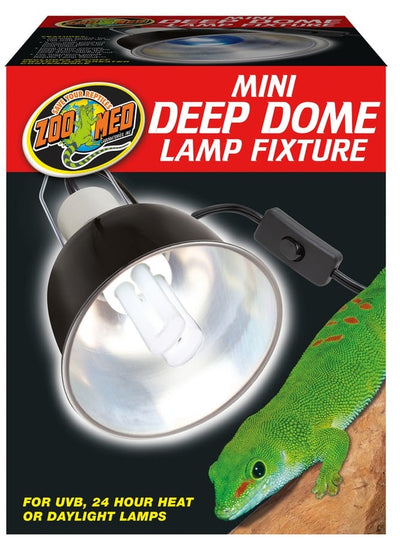
  • HeatA Zoo Med warm end about 88–92°F, cooler end mid 70s–low 80s°F. UVB is optional; this draft does not require it.
  • HumidityAbout 40–60%, a little drier than a rainforest carpet, with a water bowl and a humid hide.
  • DietAppropriately sized frozen-thawed rodents.
  • Identity and legalThis is Morelia bredli, not a carpet-python (M. spilota) locality. IUCN LC; CITES II (Pythonidae). Prefer captive-bred; no permit how-to.

Quick setup checklist

  • A 6×2×3 ft locking enclosure with a perch and hide
  • A Zoo Med 88–92°F warm end
  • Humidity 40–60% with a humid hide; not a rainforest setup
  • Frozen-thawed rodents of the right size
  • Captive-bred paperwork (CITES II); not a carpet-python locality
Want every detail? Natural history, breeding, health and more are in the full care sheet. Open full details

Supporting Sources: Reptile Database — Morelia bredli · IUCN Red List — Morelia bredli · CITES Appendices I, II and III · full list in Full details · full list on the full care sheet

The Painted Reptile · 18730 Oxnard St., Unit 215, Tarzana, CA 91356 · 818-654-9441 This care sheet is a general guide. Every animal is an individual, so watch yours closely and see a reptile veterinarian with any health concerns.
1

About the species

Species background & natural history

Morelia bredli was named by Gow in 1981. IUCN lists it as the Centralian carpet python and as Least Concern (confirmed 21 November 2026). It is a full species, not a locality of the carpet python (M. spilota) already sheeted. Pythonidae spp. are listed on CITES Appendix II except species with higher listings (appendices valid 5 March 2026). Prefer captive-bred. This sheet does not give permit advice. Never release.

Physical description

Adults are typically about 6–8 ft (1.8–2.4 m), athletic, with a reddish, orange, or brown ground and a bold darker pattern. They often climb more readily than a heavy woma, but they are not a green tree python.

Distribution

Central Australia, especially the ranges around Alice Springs in the Northern Territory, in dry woodland and rocky country. Australian natives are not exported as wild pets; US animals should be captive-bred. Never release.

Lifespan

Twenty years or more is a reasonable plan in a long, slightly dry, correctly warmed cage.

2

Housing

Caging

  • A 6×2×3 ft locking enclosure: or similar volume with some height, is a sensible adult target.
  • Provide a sturdy perch: a hide, and a water bowl.
  • One adult per enclosure.

Cage decor & substrate

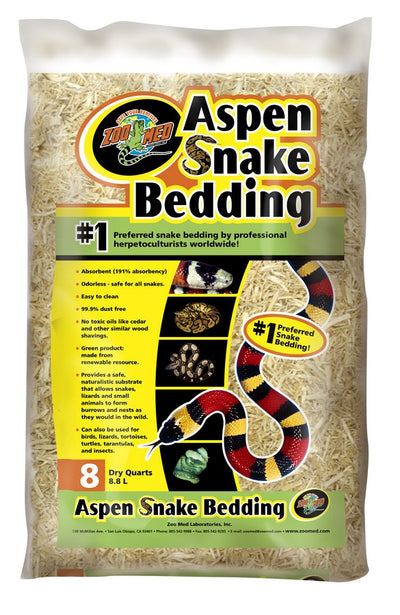
  • A soil or soil-and-cypress mix: a solid hide, a climbing branch, and a heavy water dish.
  • A humid hide helps shedding.
  • Avoid a constantly wet rainforest cage.
3

Heat, light & humidity

Temperature needs

  • A warm end about 88–92°F (31–33°C): with a cooler end in the mid 70s to low 80s°F (about 24–27°C). Night can fall into the mid 70s°F.
  • Measure the perch or hide.

Heating & lighting

  • A Zoo Med basking bulb can create the warm end.
  • An Exo Terra ceramic heater may hold night ambient in a cold room, on a thermostat.
  • UVB is optional and not required in this draft.
  • Lights off at night.
  • No colored bulbs as the only heat.

Humidity & water

  • Aim for about 40–60% humidity: often a little drier than a coastal carpet python.
  • Provide a water bowl and a humid hide.
  • Do not keep the cage stagnant and wet.
4

Feeding & supplements

Diet & feeding

  • Appropriately sized frozen-thawed rodents.
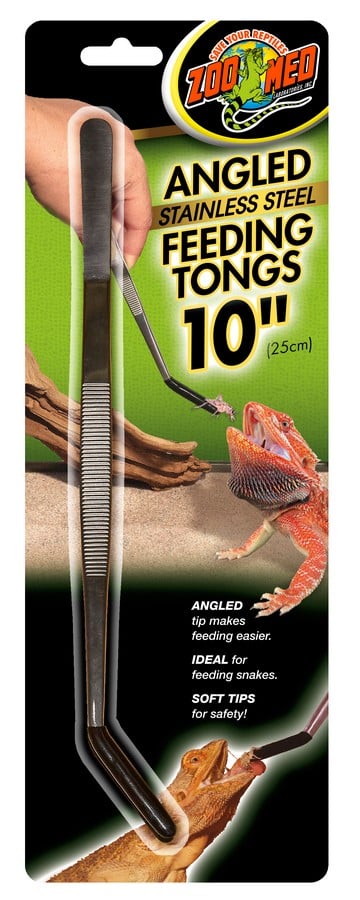
  • Feed with tongs.
  • Do not use live prey as the routine.

Supplements

  • Whole prey usually does not need extra powder.
5

Breeding & handling

Breeding

A specialist project. This draft does not give a breeding recipe.

Handling your new pet

  • Often reasonably handleable once settled: but still a strong, alert python.
  • Short, supported sessions.
  • Not a child's pet.
6

Health & setup

Common health issues

  • Watch for retained shed: a thin mid-body, and respiratory signs if the cage is kept wet and cold.
  • See a reptile veterinarian early.

Quick setup checklist

  • A 6×2×3 ft locking enclosure with a perch and hide
  • A Zoo Med 88–92°F warm end
  • Humidity 40–60% with a humid hide; not a rainforest setup
  • Frozen-thawed rodents of the right size
  • Captive-bred paperwork (CITES II); not a carpet-python locality

Shop the setup

Supporting Sources

The Painted Reptile · 18730 Oxnard St., Unit 215, Tarzana, CA 91356 · 818-654-9441 This care sheet is a general guide. Every animal is an individual, so watch yours closely and see a reptile veterinarian with any health concerns.
Just added to your wishlist:
My Wishlist
You've just added this product to the cart:
Go to cart page