The Painted Reptile
Aldabra Giant Tortoise – Quick Care OverviewAldabra Giant Tortoise Care Sheet – Full DetailsThe Painted Reptile · Reptile supplies, care & advice
18730 Oxnard St., Unit 215, Tarzana, CA 91356
818-654-9441 · paintedreptile.com
Painted Reptile Care Sheet

Aldabra Giant Tortoise

Aldabrachelys gigantea(Schweigger, 1812)

Also called: Aldabra tortoise

Group TortoiseFamily TestudinidaeWild status Vulnerable (IUCN)
Last reviewed November 2026
Photo coming soon

Quick facts

PR Keeper Level · care difficulty
8/10Advanced
1 · Hardy & forgiving10 · Experts only
1–2 Very easy · 3–4 Beginner · 5–6 Intermediate · 7–8 Advanced · 9–10 Expert
PR Handler Level · temperament
Green – Calm & easygoing
Usually calm, but adults are enormous and heavy; do not lift an adult, and keep any contact short and at ground level
Green: Calm & easygoing Yellow: Squirmy or flighty Red: Known to be aggressive
Adult size
About 3–4+ ft (90–120+ cm) and often 150–250+ kg; males are often the larger sex
Lifespan
Often 100–150+ years; this is a multi-generation, specialist commitment
Temperature
Basking opportunity about 90–95°F · ambient the mid 70s to upper 80s°F in a suitable outdoor or facility climate
A large outdoor paddock or climate-controlled facility pen with access to sun or Zoo Med UVB; not a standard indoor tortoise table
Humidity
Outdoor or facility climate, not a desert cage
A grazed tropical or subtropical paddock with shelter, shade, and water; hatchlings still need a controlled, correctly warmed start
Diet
Herbivore
Grasses, weeds, and browse; very little fruit or protein
Enclosure
A large outdoor paddock or climate-controlled facility pen for an adult; not a standard indoor table for life
Plan the adult space from the start. A hatchling can start in a large indoor setup, but this species outgrows ordinary household housing
Active
Diurnal grazer; most active in warm parts of the day, and often rests in shade during peak heat
Temperament
A usually calm, enormous grazing tortoise for specialists and facilities, not a starter pet

A huge, very long-lived tortoise from Aldabra Atoll in the Seychelles. It is a specialist and facility animal, not a starter tortoise and not a standard indoor-table species. Adults need a large outdoor paddock or a climate-controlled facility pen, a grazing diet, and a multi-generation plan.

Key care at a glance

  • HousingA large outdoor paddock or climate-controlled facility pen for an adult; not a standard indoor table for life.
  • Heat and lightAccess to sun or Zoo Med UVB, a basking opportunity about 90–95°F, and shade.
  • ClimateA tropical or subtropical paddock with shelter and water; hatchlings still need a controlled start.
  • DietGrasses, weeds, and browse; very little fruit or protein.
  • Identity and legalIUCN Vulnerable (1996, needs updating; page still under Geochelone gigantea); CITES II. Not a starter tortoise. 4-inch rule applies to hatchling sales; no permit how-to.

Quick setup checklist

  • A large outdoor or facility paddock, not a standard indoor table for life
  • Sun or Zoo Med UVB, a 90–95°F basking opportunity, and shade
  • Grass-and-browse diet, very little fruit
  • Not a starter tortoise; plan a 100+ year commitment
  • IUCN Vulnerable (1996, needs updating; page still under G. gigantea); CITES II
  • 4-inch rule applies to hatchling sales; no permit how-to
Want every detail? Natural history, breeding, health and more are in the full care sheet. Open full details

Supporting Sources: Reptile Database — Aldabrachelys gigantea · IUCN Red List — Geochelone gigantea · CITES Appendices I, II and III · full list in Full details · full list on the full care sheet

The Painted Reptile · 18730 Oxnard St., Unit 215, Tarzana, CA 91356 · 818-654-9441 This care sheet is a general guide. Every animal is an individual, so watch yours closely and see a reptile veterinarian with any health concerns.
1

About the species

Species background & natural history

Aldabrachelys gigantea was named by Schweigger in 1812 (older literature often used Geochelone gigantea). It is the giant tortoise of Aldabra Atoll in the Seychelles, one of the largest tortoises in the world. The IUCN Red List still assesses it under G. gigantea as Vulnerable D2 (1996, needs updating). It has been on CITES Appendix II since 1975 (appendices valid 5 March 2026). This sheet does not give permit advice. This is not a starter tortoise. US federal rule: live turtles and viable turtle eggs with a carapace length of less than 4 inches shall not be sold, held for sale, or offered for commercial or public distribution as pets (21 CFR 1240.62, text opened 21 November 2026). This affects hatchling sales. The regulation’s listed exceptions are for bona fide scientific, educational, or exhibitional purposes, not as pets; this sheet does not give permit advice. Never release.


Physical description

Adults commonly reach about 3–4+ ft (90–120+ cm) and often 150–250+ kg, with a high, domed, gray-brown shell and pillar-like legs. Males are often the larger sex. This is a grazing giant, not a household pet and not a sulcata by another name.

Distribution

Native to Aldabra Atoll in the Seychelles; animals are also kept in facilities and private collections elsewhere. Never release.

Lifespan

A hundred to a hundred and fifty years or more is a reasonable plan. This is a multi-generation commitment, not a short-term pet.

2

Housing

Caging

  • A large outdoor paddock or climate-controlled facility pen is the adult home; this is not a standard indoor tortoise-table species for life.
  • A hatchling can start in a large indoor setup, but plan the adult space from the start.
  • Provide shelter, shade, and secure fencing that an enormous tortoise cannot push through or undermine.

Cage decor & substrate

  • Open grazing space, shade, a shelter, and a large water source.
  • Indoor juvenile décor such as a cave is temporary; adults need ground-level shelter, not a small hide.
3

Heat, light & humidity

Temperature needs

  • A basking opportunity about 90–95°F (32–35°C), with ambient temperatures in the mid 70s to upper 80s°F (about 24–31°C) in a suitable climate, plus shade and cooler nights.

Heating & lighting

  • Outdoor adults should have unfiltered sun and shade; indoor or facility animals need Zoo Med UVB and a Zoo Med basking lamp as appropriate.
  • An RBI radiant heat panel or an Exo Terra ceramic can hold ambient or night heat in a controlled building.

Humidity & water

  • A grazed tropical or subtropical paddock with shelter and a large water source, not a desert cage and not a sealed damp room.
  • Hatchlings still need a controlled, correctly warmed start.
4

Feeding & supplements

Diet & feeding

  • Grasses, weeds, and browse are the staple.
  • Very little fruit or protein; this is a grazing giant, not a fruit-and-protein tortoise.

Supplements

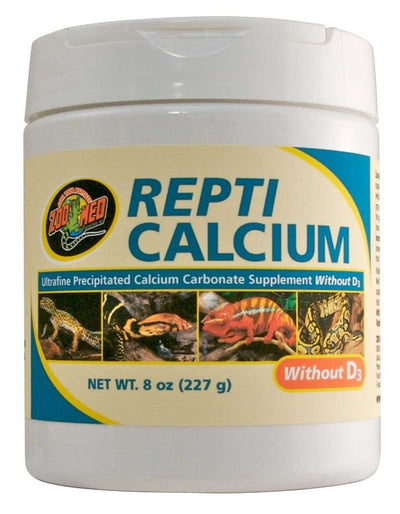
  • A light dusting of calcium without D3 on indoor or juvenile food, with UVB or unfiltered sun provided, plus a modest multivitamin on a schedule as needed.
5

Breeding & handling

Breeding

A specialist and facility project with a very long timeline. This draft does not give a breeding recipe.

Handling your new pet

  • Usually calm, but adults are enormous and cannot be lifted.
  • Keep any contact short and at ground level; a walking adult can injure a person by weight alone.
6

Health & setup

Common health issues

  • Watch for pyramiding or a soft shell in a poor indoor start, overweight animals on a low-fiber diet, and cold-weather exposure in an unsuitable climate.
  • See a reptile veterinarian experienced with large tortoises early if the animal stops eating or has trouble walking.

Quick setup checklist

  • A large outdoor or facility paddock, not a standard indoor table for life
  • Sun or Zoo Med UVB, a 90–95°F basking opportunity, and shade
  • Grass-and-browse diet, very little fruit
  • Not a starter tortoise; plan a 100+ year commitment
  • IUCN Vulnerable (1996, needs updating; page still under G. gigantea); CITES II
  • 4-inch rule applies to hatchling sales; no permit how-to

Shop the setup

Supporting Sources

The Painted Reptile · 18730 Oxnard St., Unit 215, Tarzana, CA 91356 · 818-654-9441 This care sheet is a general guide. Every animal is an individual, so watch yours closely and see a reptile veterinarian with any health concerns.
Just added to your wishlist:
My Wishlist
You've just added this product to the cart:
Go to cart page