The Painted Reptile
African Red Toad – Quick Care OverviewAfrican Red Toad Care Sheet – Full DetailsThe Painted Reptile · Reptile supplies, care & advice
18730 Oxnard St., Unit 215, Tarzana, CA 91356
818-654-9441 · paintedreptile.com
Painted Reptile Care Sheet

African Red Toad

Schismaderma carens(Smith, 1848)

Also called: Red toad, squawking toad

Group ToadFamily BufonidaeWild status Least Concern (IUCN)
Last reviewed November 2026
Photo coming soon

Quick facts

PR Keeper Level · care difficulty
3/10Beginner
1 · Hardy & forgiving10 · Experts only
1–2 Very easy · 3–4 Beginner · 5–6 Intermediate · 7–8 Advanced · 9–10 Expert
PR Handler Level · temperament
Yellow – Squirmy or flighty
A hardy burrowing toad with delicate, permeable skin and irritating secretions; handle only when needed, then wash
Green: Calm & easygoing Yellow: Squirmy or flighty Red: Known to be aggressive
Adult size
About 2.5–3.5 in (6–9 cm); females often larger
Lifespan
Often 8–12+ years in a clean, correctly warmed burrowing setup
Temperature
About 75–82°F by day · nights a little cooler
A modest African warmth, not a cold temperate toad and not a desert oven
Humidity
40–70%
A moist hide and a shallow water dish; the surface can stay a little drier than a rainforest cage
Diet
Insectivore
Gut-loaded crickets, dubia roaches, and other appropriately sized insects, lightly supplemented
Enclosure
A 10–20 gallon long tank or tub for one or two adults
Floor space, a deep enough substrate to burrow, a moist hide, and a shallow water dish
Active
Nocturnal; often buries by day and may call or squawk when disturbed
Temperament
A hardy, often secretive burrowing toad; more of a watch-me pet than a frequent-handling animal

A burrowing African toad, also called the red toad or squawking toad, formerly Bufo carens. It is not in Rhinella or Rhaebo, so it is not a 14 CCR 671 toad. It wants a simple, slightly warm terrestrial setup, a moist hide, and insects, and it is a pet to watch more than to hold.

Key care at a glance

  • HousingA 10–20 gallon long tank or tub, with a burrowing substrate, a moist hide, and a shallow water dish.
  • Heat and lightAbout 75–82°F by day, with a slightly cooler night and a normal day–night cycle.
  • HumidityA moist hide and a shallow water dish; the surface can stay a little drier than a rainforest cage.
  • DietGut-loaded crickets, dubia roaches, and other appropriately sized insects, lightly supplemented.
  • Identity and legalIUCN Least Concern (2024/2026 assessment). Not CITES-listed. Formerly Bufo carens; not a 14 CCR 671 Rhinella or Rhaebo. No permit how-to.

Quick setup checklist

  • A 10–20 gallon burrowing setup with a moist hide and a shallow water dish
  • About 75–82°F by day; not a cold temperate toad
  • A moist hide, not a rainforest-wet box
  • Gut-loaded insects, lightly supplemented
  • IUCN Least Concern; not CITES-listed
  • Formerly Bufo carens; not a 14 CCR 671 Rhinella or Rhaebo
Want every detail? Natural history, breeding, health and more are in the full care sheet. Open full details

Supporting Sources: AmphibiaWeb — Schismaderma carens · IUCN Red List — Schismaderma carens · CITES Appendices I, II and III · full list in Full details · full list on the full care sheet

The Painted Reptile · 18730 Oxnard St., Unit 215, Tarzana, CA 91356 · 818-654-9441 This care sheet is a general guide. Every animal is an individual, so watch yours closely and see a reptile veterinarian with any health concerns.
1

About the species

Species background & natural history

Schismaderma carens was named by Smith in 1848 and was long known as Bufo carens. It is a wide-ranging African burrowing toad, often sold as the red toad or squawking toad for the noise it can make when disturbed. It is not in Rhinella or Rhaebo, so it is not a California 14 CCR 671 toad. This sheet states that as a fact and does not give permit advice. It is a hardy, nocturnal burrower with irritating skin secretions, more of a watch-me pet than a holding animal.

Physical description

Adults are typically about 2.5–3.5 in (6–9 cm), reddish-brown to brick-colored, with a relatively smooth look for a toad and a pair of glands behind the eyes. Females are often larger.

Distribution

A wide range in eastern and southern Africa, in savanna and open woodland. Never release.

Lifespan

Eight to twelve years or more is a reasonable plan in a clean, correctly warmed burrowing setup, on a steady insect diet.

2

Housing

Caging

  • A 10–20 gallon long tank or tub is a sensible home for one or two adults.
  • Provide a substrate deep enough to burrow, a moist hide, a shallow water dish, and a secure lid.

Cage decor & substrate

  • A burrowing substrate, a moist hide, and a shallow water dish.
  • Avoid a dry, bare cage and a deep water bowl.
3

Heat, light & humidity

Temperature needs

  • About 75–82°F (24–28°C) by day, with a slightly cooler night. This is a modest African warmth, not a cold temperate toad and not a desert oven.

Heating & lighting

  • A normal day–night cycle is the plan; if extra heat is needed, use a modest, thermostatted source and keep a cooler retreat.
  • Low-level UVB is optional; this draft does not require a UVB product.

Humidity & water

  • Provide a moist hide and a shallow dish of dechlorinated water, with humidity about 40–70%.
  • The surface can stay a little drier than a rainforest frog cage; do not leave a stagnant wet box.
4

Feeding & supplements

Diet & feeding

  • Gut-loaded crickets, dubia roaches, and other appropriately sized insects are the staple.
  • Feed in the evening, when the toad is active, and do not leave uneaten prey to foul the cage.

Supplements

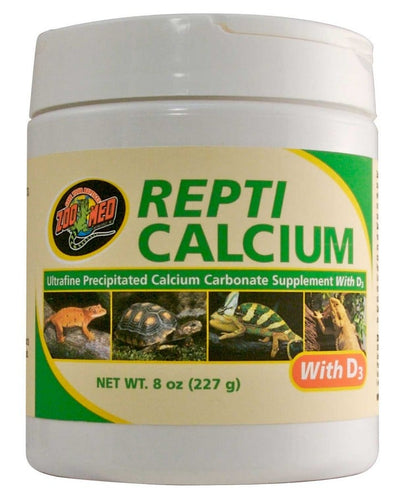
  • A light dusting of calcium with D3, plus a modest multivitamin on a schedule.
5

Breeding & handling

Breeding

A specialist project. This draft does not give a breeding recipe.

Handling your new pet

  • Hardy, but the skin is permeable and the secretions can irritate eyes and cuts.
  • Handle only when needed, then wash; this is not a frequent-handling pet.
6

Health & setup

Common health issues

  • Watch for a fouled or too-wet setup, overheating, and a toad that stops eating or sits in the open by day.
  • See a reptile or amphibian veterinarian early if those problems appear.

Quick setup checklist

  • A 10–20 gallon burrowing setup with a moist hide and a shallow water dish
  • About 75–82°F by day; not a cold temperate toad
  • A moist hide, not a rainforest-wet box
  • Gut-loaded insects, lightly supplemented
  • IUCN Least Concern; not CITES-listed
  • Formerly Bufo carens; not a 14 CCR 671 Rhinella or Rhaebo

Shop the setup

Supporting Sources

The Painted Reptile · 18730 Oxnard St., Unit 215, Tarzana, CA 91356 · 818-654-9441 This care sheet is a general guide. Every animal is an individual, so watch yours closely and see a reptile veterinarian with any health concerns.
Just added to your wishlist:
My Wishlist
You've just added this product to the cart:
Go to cart page