The Painted Reptile
African Helmeted Turtle – Quick Care OverviewAfrican Helmeted Turtle Care Sheet – Full DetailsThe Painted Reptile · Reptile supplies, care & advice
18730 Oxnard St., Unit 215, Tarzana, CA 91356
818-654-9441 · paintedreptile.com
Painted Reptile Care Sheet

African Helmeted Turtle

Pelomedusa subrufa(Bonnaterre, 1789)

Also called: Helmeted sideneck turtle, African sideneck turtle, helmeted terrapin

Group Turtle · SideneckFamily PelomedusidaeWild status Not currently listed (IUCN)
Last reviewed November 2026
Photo coming soon

Quick facts

PR Keeper Level · care difficulty
4/10Beginner
1 · Hardy & forgiving10 · Experts only
1–2 Very easy · 3–4 Beginner · 5–6 Intermediate · 7–8 Advanced · 9–10 Expert
PR Handler Level · temperament
Yellow – Squirmy or flighty
Can scratch and bite when lifted, and may musk; a display aquatic turtle, not a frequent-handling pet
Green: Calm & easygoing Yellow: Squirmy or flighty Red: Known to be aggressive
Adult size
About 6–8 in (15–20 cm) carapace, sometimes a little larger
Lifespan
Often 20–30+ years in a filtered, correctly warmed aquatic setup
Temperature
Water about 75–80°F · basking spot about 90–95°F
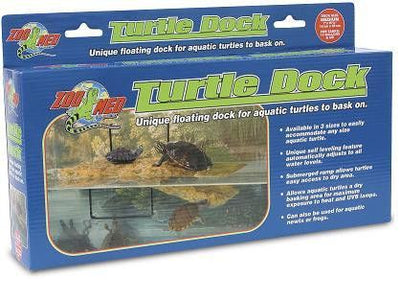
A filtered aquatic setup with a dry basking dock and Zoo Med UVB
Humidity
Water quality matters more than air humidity
Clean, dechlorinated water with a dry haul-out; this is not a desert box-turtle setup
Diet
Omnivore, leaning carnivorous
Aquatic turtle pellets, plus earthworms and other animal prey; plants in moderation
Enclosure
A 40 gal long aquatic tub or tank, or similar water volume, for an adult, with a dry dock
Water deep enough to swim, a filter, a dock, and UVB; one turtle is the default unless a very large system is planned
Active
Diurnal, aquatic, and often active at the surface and on a dock
Temperament
A hardy, active African sideneck; usually confident in the water, but stressed by frequent handling

A hardy African sideneck turtle, also called the helmeted terrapin. The genus has been split into several species, but US trade animals are still usually labeled Pelomedusa subrufa. It wants a filtered aquatic setup with a dry dock and Zoo Med UVB, not a dry box-turtle cage.

Key care at a glance

  • HousingA 40 gal long aquatic tub or tank, or similar, with a filter and a dry dock. One turtle is the default.
  • Heat and lightWater about 75–80°F, a Zoo Med basking dock about 90–95°F, and Zoo Med UVB.
  • WaterClean, dechlorinated, filtered water with a dry haul-out.
  • DietAquatic turtle pellets plus earthworms and other animal prey; plants in moderation.
  • Identity and legalA species complex, usually still labeled P. subrufa. Not currently on the IUCN Red List as P. subrufa; not CITES-listed. 4-inch rule applies to hatchling sales; no permit how-to.

Quick setup checklist

  • A 40 gal long filtered aquatic setup with a dry dock
  • Water 75–80°F and a Zoo Med 90–95°F basking spot with Zoo Med UVB
  • Pellets plus animal prey
  • Identify stock in the Pelomedusa complex
  • Not currently IUCN-listed as P. subrufa; not CITES-listed
  • 4-inch rule applies to hatchling sales; no permit how-to
Want every detail? Natural history, breeding, health and more are in the full care sheet. Open full details

Supporting Sources: Reptile Database — Pelomedusa subrufa · IUCN TFTSG — Pelomedusa subrufa account · IUCN Red List — Pelomedusa galeata · CITES Appendices I, II and III · full list in Full details · full list on the full care sheet

The Painted Reptile · 18730 Oxnard St., Unit 215, Tarzana, CA 91356 · 818-654-9441 This care sheet is a general guide. Every animal is an individual, so watch yours closely and see a reptile veterinarian with any health concerns.
1

About the species

Species background & natural history

Pelomedusa subrufa was named by Bonnaterre in 1789 (some sources use Lacépède, 1788). It is a species complex that has been split into several Pelomedusa species; US trade animals are still usually labeled P. subrufa. There is no current IUCN Red List page under P. subrufa (confirmed 21 November 2026). A 1996 assessment was treated as Least Concern / not listed, and the specialist group later treated the complex as provisionally Data Deficient (2018). P. galeata, the South African helmeted turtle, is listed as Least Concern. The species is not listed on CITES (appendices valid 5 March 2026); Ghana’s former Appendix III listing was removed in 2007. US federal rule: live turtles and viable turtle eggs with a carapace length of less than 4 inches shall not be sold, held for sale, or offered for commercial or public distribution as pets (21 CFR 1240.62, text opened 21 November 2026). This affects hatchling sales. The regulation’s listed exceptions are for bona fide scientific, educational, or exhibitional purposes, not as pets; this sheet does not give permit advice. Never release.

Physical description

Adults are typically about 6–8 in (15–20 cm) carapace length, olive to brown, with a relatively high, helmet-like shell and a sideneck that folds to the side rather than straight back. They are built for ponds, pans, and muddy water, not for a desert cage.

Distribution

A very wide African range south of the Sahara, with related forms on the Arabian Peninsula and Madagascar; after the split, the name P. subrufa is used more narrowly by some authors. Never release.

Lifespan

Twenty to thirty years or more is a reasonable plan in a filtered, correctly warmed aquatic setup with a mixed diet.

2

Housing

Caging

  • <ul><li><strong>A 40 gal long aquatic tub or tank:</strong> or similar water volume: is a sensible adult home, with a dry dock.</li><li><strong>Use a filter and regular water changes.</strong></li><li><strong>One turtle is the default</strong> unless a much larger system is planned.</li></ul>

Cage decor & substrate

  • <ul><li><strong>A stable basking dock: a hide in the water, and a substrate that will not be swallowed in quantity.</strong></li><li><strong>Keep the dock dry enough to dry the shell completely.</strong></li></ul>
3

Heat, light & humidity

Temperature needs

  • <ul><li><strong>Water about 75–80°F (24–27°C),</strong> with a dry basking spot about 90–95°F (32–35°C).</li></ul>

Heating & lighting

  • <ul><li><strong>A Zoo Med aquatic turtle lighting combo or equivalent Zoo Med UVB: plus a Zoo Med basking lamp over the dock, is the lighting plan on this draft.</strong></li><li><strong>Use a submersible heater on a thermostat for the water in a cool room.</strong></li></ul>

Humidity & water

  • <ul><li><strong>Water quality matters more than air humidity.</strong></li><li><strong>Dechlorinate new water: run a filter, and keep a dry haul-out.</strong></li></ul>
4

Feeding & supplements

Diet & feeding

  • <ul><li><strong>A quality aquatic turtle pellet as a staple: plus earthworms and other animal prey.</strong></li><li><strong>Plant matter in moderation;</strong> this species is often more carnivorous than a slider.</li></ul>

Supplements

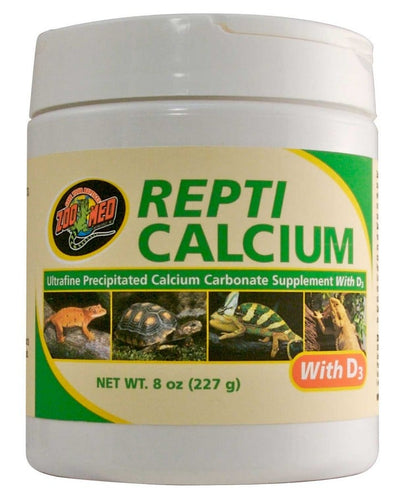
  • <ul><li><strong>A calcium source such as a slow-release turtle block or a light dusting of calcium on feeder items: with UVB provided so dietary D3 is not the only plan.</strong></li></ul>
5

Breeding & handling

Breeding

<p>A specialist project, and species identity in the complex should be considered first. This draft does not give a breeding recipe.</p>

Handling your new pet

  • <ul><li><strong>Can scratch: bite, and musk when lifted.</strong></li><li><strong>Support the body and keep sessions short;</strong> this is a display aquatic turtle, not a frequent-handling pet.</li></ul>
6

Health & setup

Common health issues

  • <ul><li><strong>Watch for a soft shell: swollen eyes, and a shell that never dries.</strong></li><li><strong>See a reptile veterinarian early if the turtle stops eating or floats abnormally.</strong></li></ul>

Quick setup checklist

  • A 40 gal long filtered aquatic setup with a dry dock
  • Water 75–80°F and a Zoo Med 90–95°F basking spot with Zoo Med UVB
  • Pellets plus animal prey
  • Identify stock in the Pelomedusa complex
  • Not currently IUCN-listed as P. subrufa; not CITES-listed
  • 4-inch rule applies to hatchling sales; no permit how-to

Shop the setup

Supporting Sources

The Painted Reptile · 18730 Oxnard St., Unit 215, Tarzana, CA 91356 · 818-654-9441 This care sheet is a general guide. Every animal is an individual, so watch yours closely and see a reptile veterinarian with any health concerns.
Just added to your wishlist:
My Wishlist
You've just added this product to the cart:
Go to cart page